BRICS Pay to enable local-currency payments; India-Russia to sign MoU on UPI-Faster Payments link on Friday
Sep 10, 2026
By Kaushal Verma
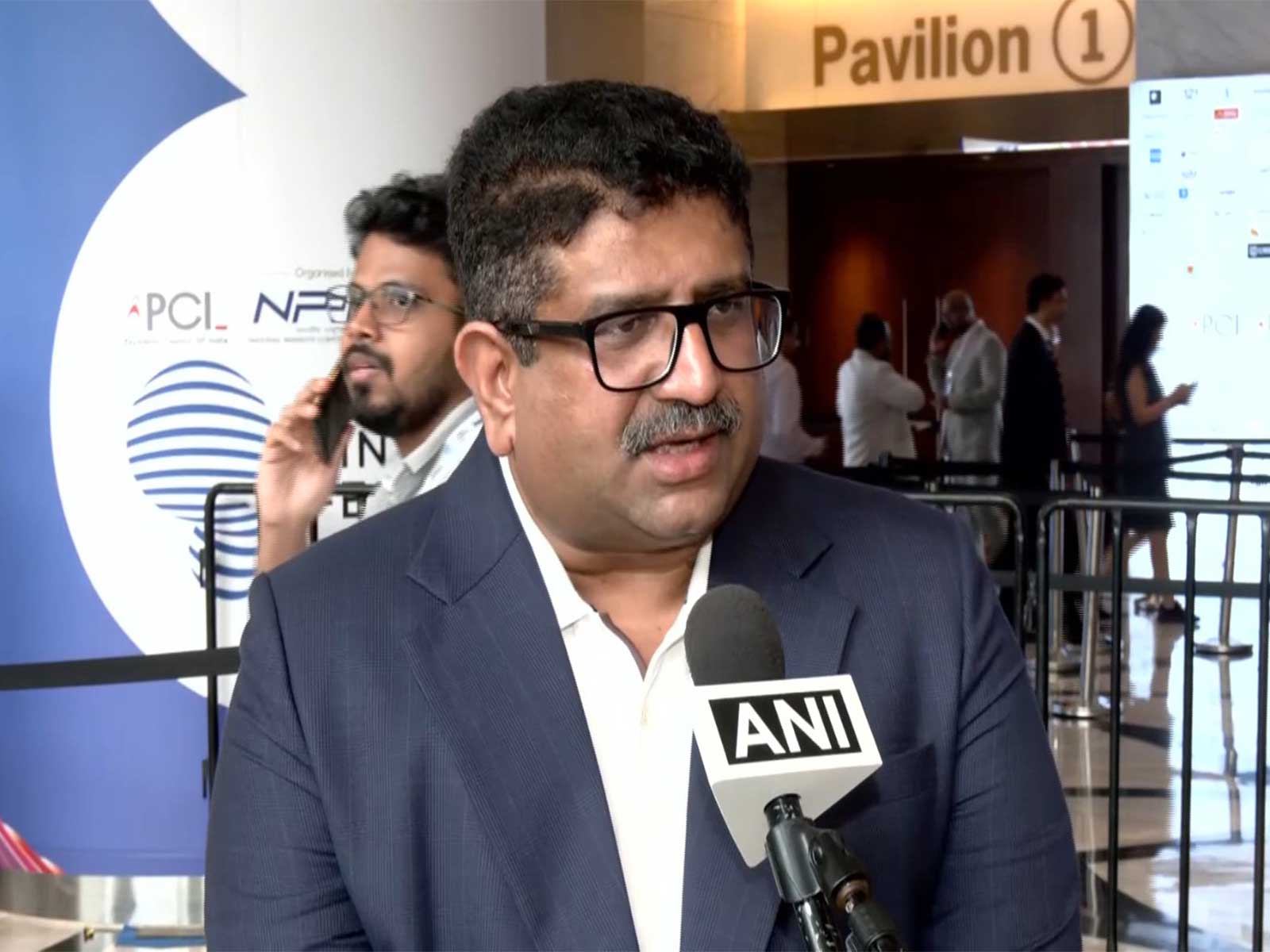
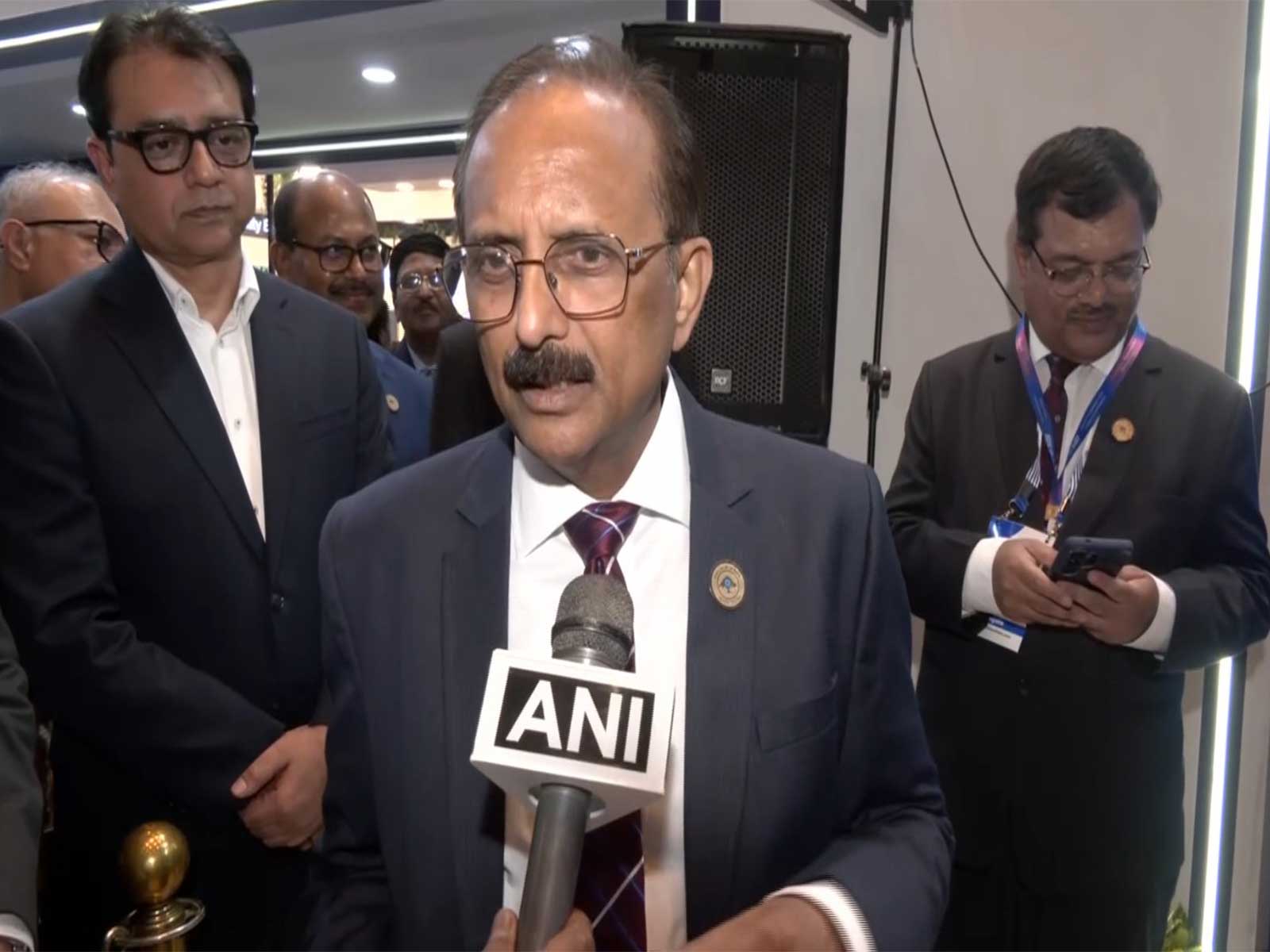
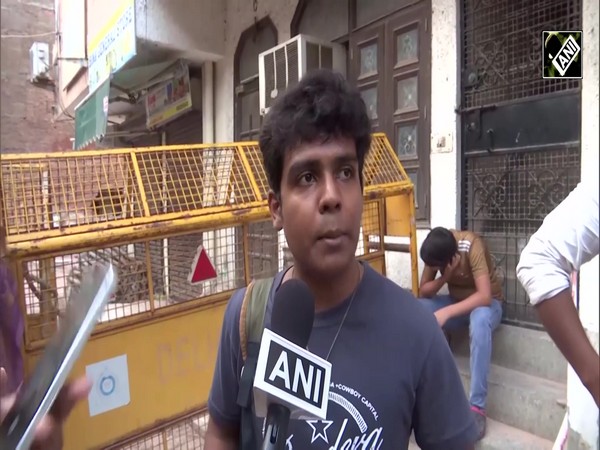
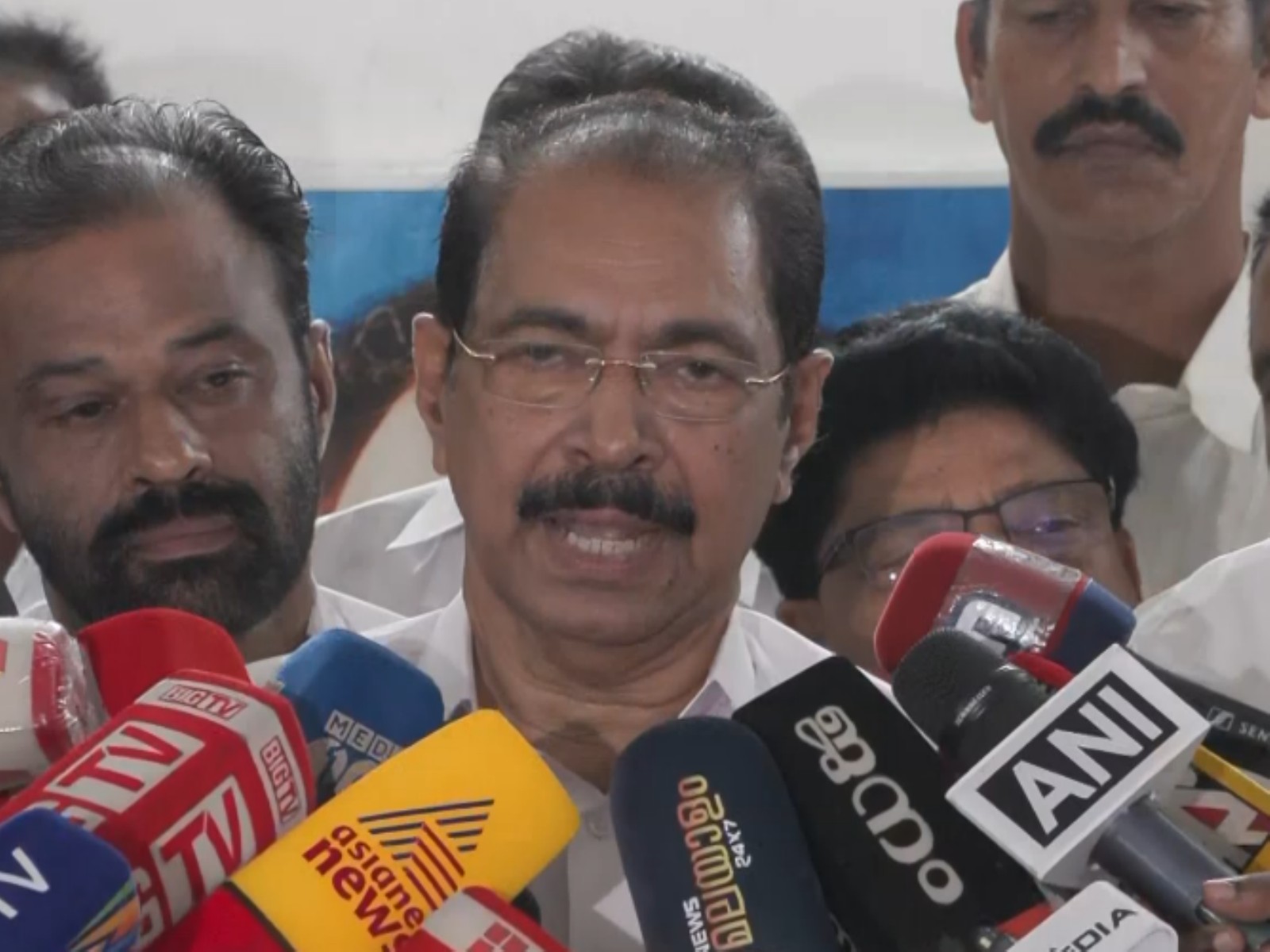
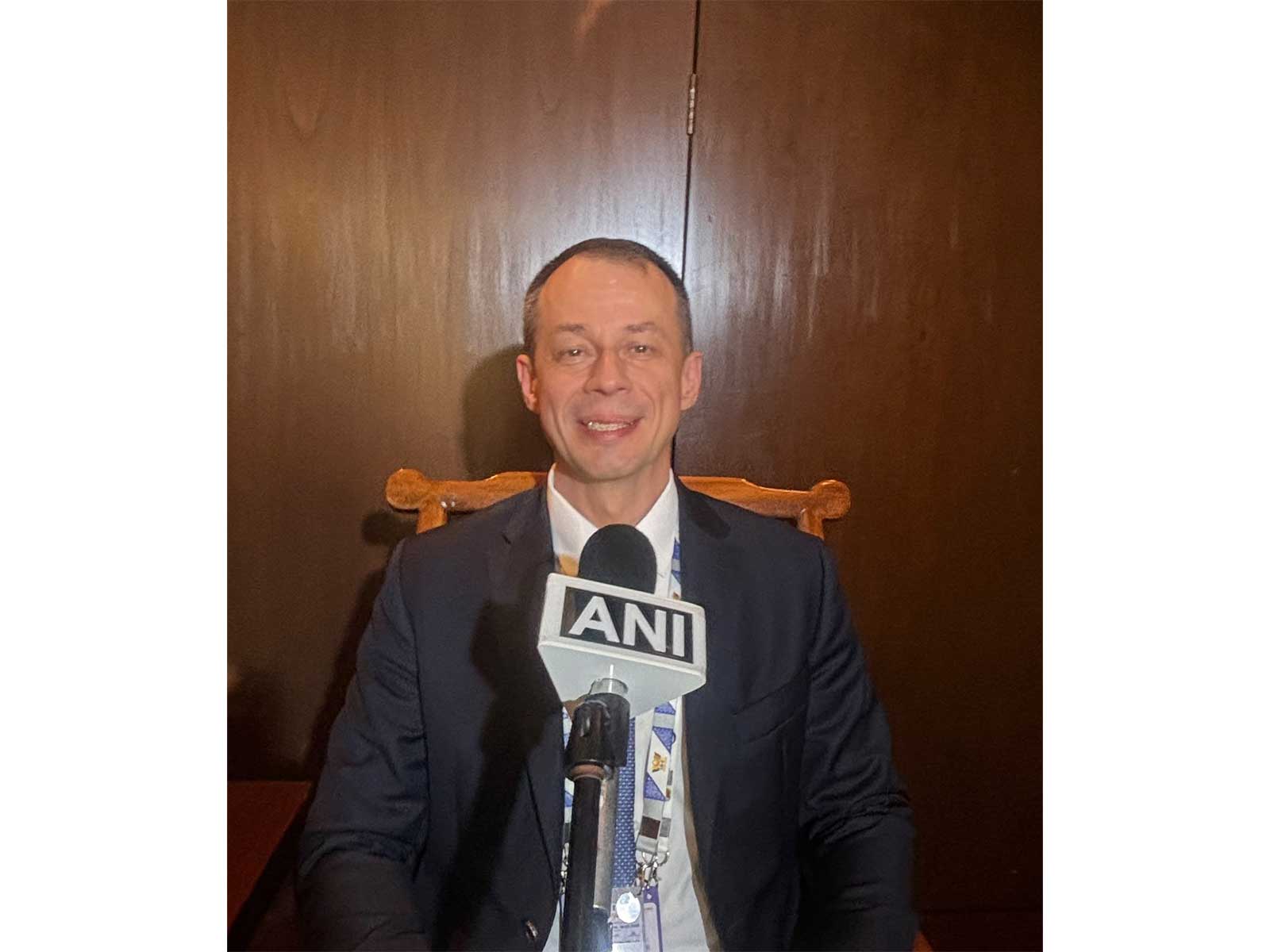
New Delhi [India], September 10 : BRICS Pay will facilitate cross-border digital payments in local currencies by connecting the existing national payment systems of member and partner countries, allowing travellers, students and businesses to transfer money more quickly, BRICS Pay CEO Andrey Mikhaylishin told ANI on Thursday.
India and Russia are set to sign a memorandum of understanding (MoU) on Friday to connect their domestic payment networks, enabling users in the two countries to make cross-border payments using their respective national systems, he said.
The agreement, being signed with the BRICS Business Council and the Business Forum, will seek to bridge India's Unified Payments Interface (UPI) with Russia's Faster Payments System without either country giving up control of its domestic payment infrastructure.
"India and Russia both have strong domestic payment systems. What they do not have is a way for those systems to speak to each other across the border. That is what we are building," Mikhaylishin, who leads the Russian side of the project, told ANI in an exclusive interview.
BRICS Pay is being developed as a bridge between national payment infrastructures rather than as a replacement for them. The initiative will cover customer-to-business (C2B) payments, initially aimed at travellers, as well as business-to-business (B2B) payments for international trade.
“We talk about both projects, C2B payments as well as B2B payments. Right now we work under the C2B for travellers. And we spoke, we have some investigation, some decisions, some development for creating B2B in the near future,” Mikhaylishin told ANI.
The first phase will focus on travellers making payments at businesses, while the B2B component is being developed for exporters and importers. The latter is expected to address some of the costs and delays associated with correspondent banking and currency conversion in cross-border trade.
Under the India-Russia arrangement, an Indian visitor in Russia would be able to pay at a shop using UPI, while a Russian traveller in India could use the country's own national payment application. Transfers are expected to settle within six to nine seconds.
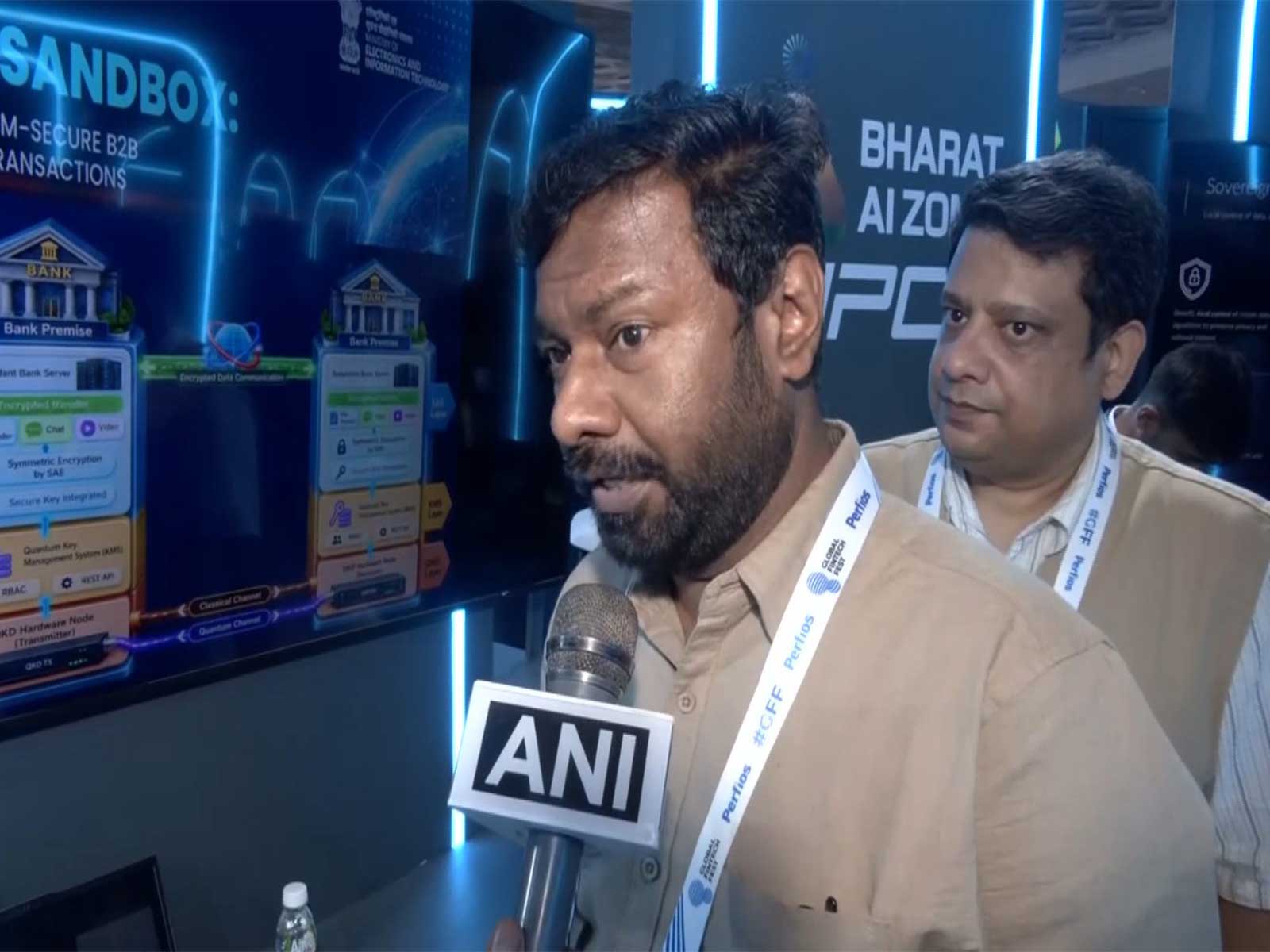
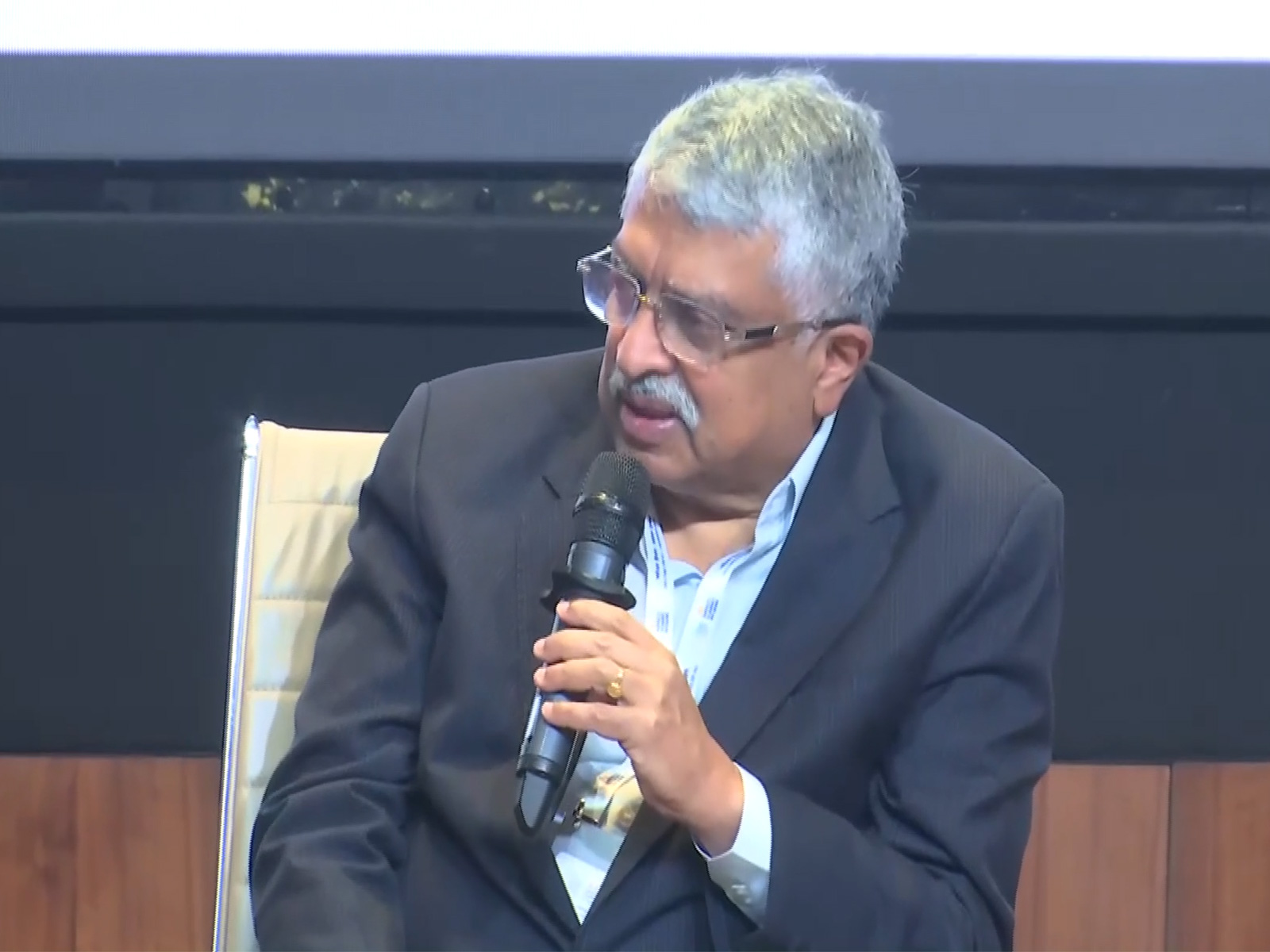
"A student who goes to Russia today waits days for money from home, and sometimes it does not arrive at all. Under this, his father transfers it and it reaches him before the call ends," Dr. Pawan Josh, Chairman, BRICS International, said while delivering the Indian side's remarks.
The system is designed to support transactions in different currencies, including the Indian rupee and Russian rouble. The emphasis is on allowing countries to settle trade in currencies of their choice rather than creating a single BRICS currency.
"This is about flexibility, not exclusion. Countries should be free to settle in whichever currency suits the trade," Mikhaylishin said.
The initiative follows the broader BRICS push to make cross-border payments faster, cheaper and more efficient while increasing the use of national currencies in trade. India has also been advocating greater interoperability between payment systems as part of its BRICS presidency.
Mikhaylishin said BRICS Pay would use a federated model, under which each country would continue to operate its own payment infrastructure under its central bank and domestic regulations. The bridge would allow the systems to communicate without creating a single centralised ledger.
The framework could also be expanded beyond BRICS to countries willing to connect their national instant-payment systems. Brazil's Pix and other domestic payment networks could potentially be integrated, he said.
The system is currently under testing and is expected to become operational in phases, with the timeline depending on regulatory approvals.
Mikhaylishin said KYC, anti-money laundering and sanctions screening would be incorporated into the system. Josh said India-facing operations would remain within the Reserve Bank of India's regulatory framework and would require the central bank's approval before going live.