USD 19 trillion in tokenised assets possible in 7–8 years, India building infrastructure for mass adoption: Nandan Nilekani
Sep 10, 2026
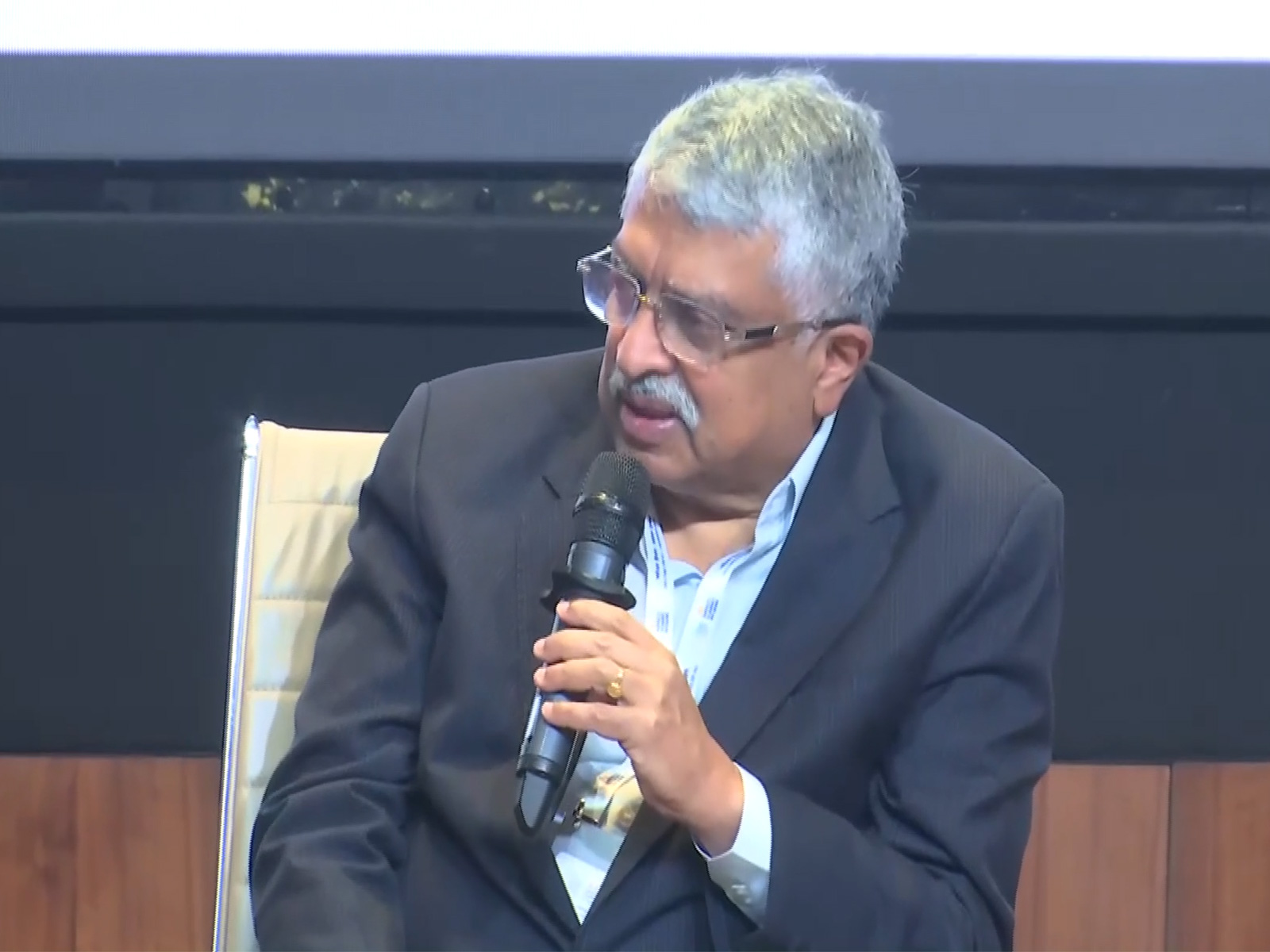
Mumbai (Maharashtra) [India], September 10 : Former UIDAI Chairman Nandan Nilekani on Thursday said the global tokenisation ecosystem could see assets worth as much as USD 19 trillion being tokenised over the next seven to eight years as the technology gains traction across financial markets and multiple asset classes.
Tokenisation is a process where an asset such as a bond, share or other financial instrument is converted into a digital representation that can be held and transferred electronically.
Speaking at the Global Fintech Fest 2026, Nilekani said tokenisation has entered a phase of significant activity, with regulators, banks and financial institutions increasingly exploring the technology.
“Clearly there is a lot of action in the era of tokenization,” Nilekani said, referring to developments involving the Reserve Bank of India (RBI), Securities and Exchange Board of India (SEBI) and financial institutions.
He said there are currently around USD 600 billion worth of tokens globally, most of them in the form of stablecoins, while adding that one estimate puts the value of tokenised assets at USD 19 trillion over the next seven to eight years.
“Most of them are like stable coins. But the expectation is that there will be a lot more. I mean, one estimate is 19 trillion dollars of assets on tokens in the next 7-8 years,” he said.
Nilekani also outlined three live tokenisation pilots covering dairy assets, warehouse receipts and securitisation of assets. The pilots seek to demonstrate how a common technology architecture can be applied across different asset classes and use cases.
“The three pilots we are talking about. One is in dairy and how a cow and the information about the cow can be tokenized and how you can get credit and so on for that,” he said.
He said the same underlying architecture could be used across the different applications, including through public blockchains and purpose-based programmable transfers.
“The whole idea of creating an architecture which is usable across multiple asset types in multiple situations,” Nilekani said.
He further said the infrastructure being developed is designed to support high transaction volumes, cybersecurity and quantum safety, which would be important if tokenisation is eventually adopted at population scale.
Nilekani said the broader objective is to accelerate tokenisation across asset classes and use cases by creating common technology and rules capable of operating at an industrial and population scale.