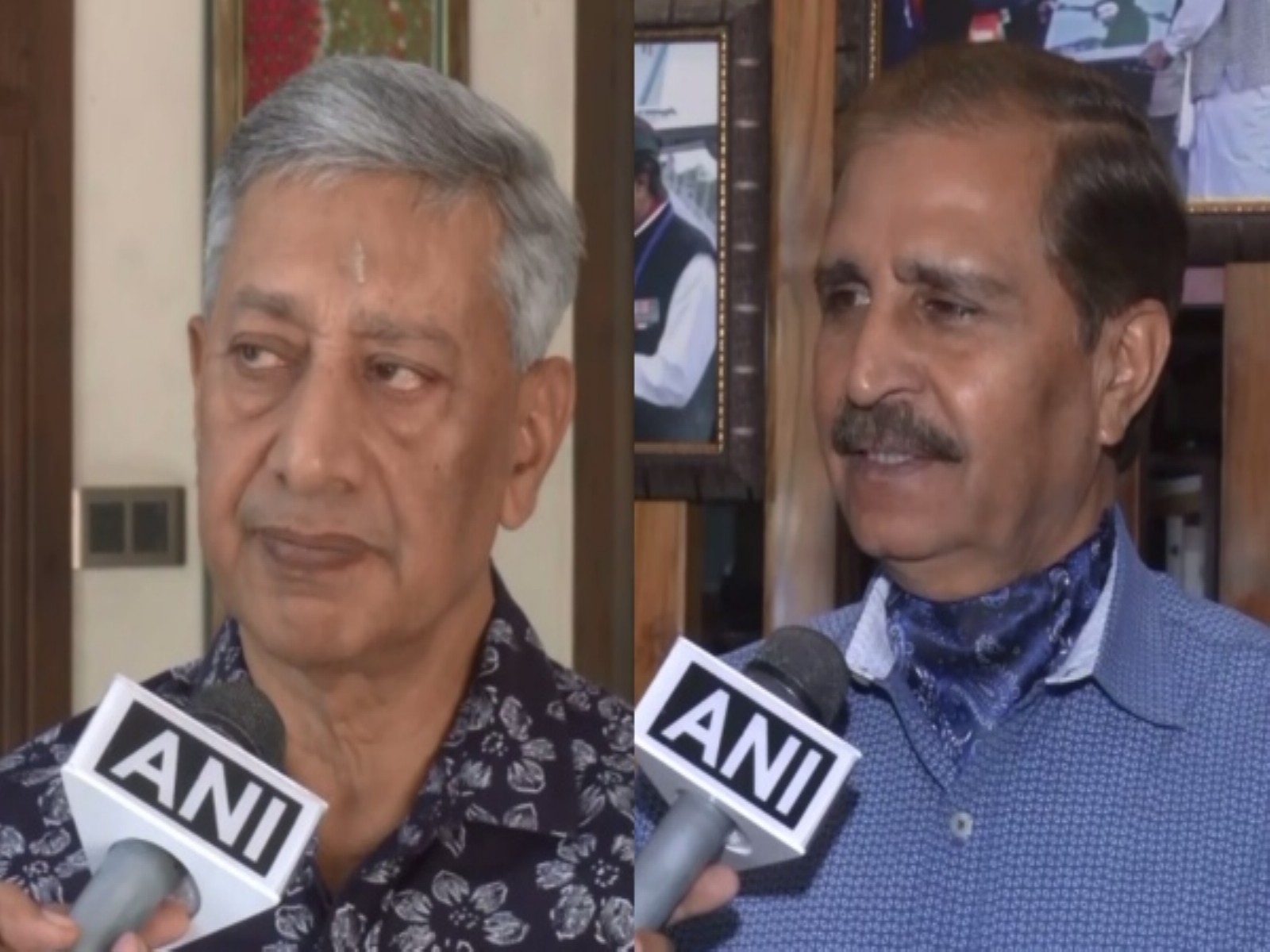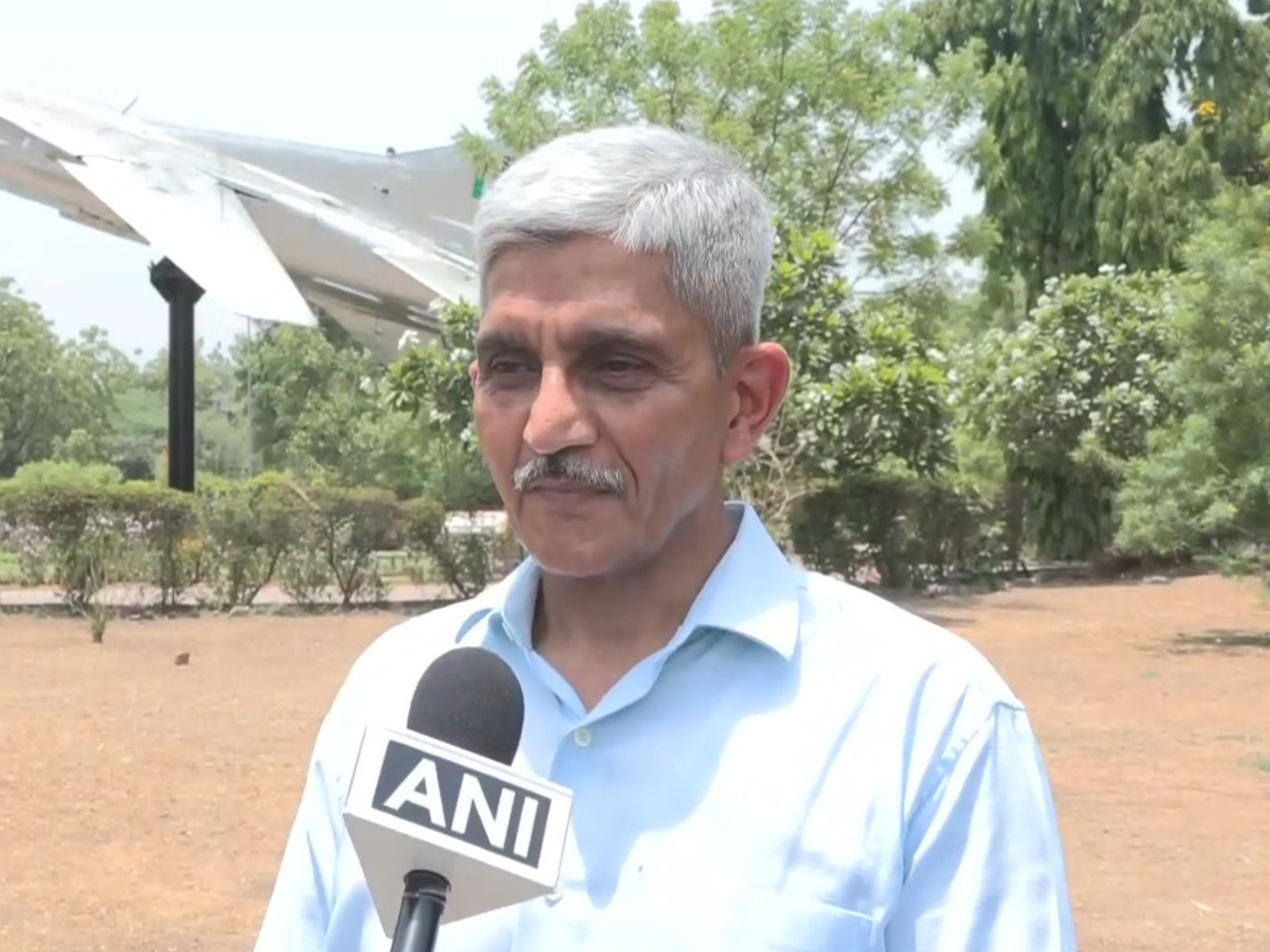
"Careful selection of targets, proper planning, and wonderful orchestration": Air Marshal Sujeet Pushpakar Dharkar (Retd) on Op Sindoor
May 07, 2026
Gandhinagar (Gujarat) [India], May 7 : Former Vice Chief of the Air Staff, Air Marshal Sujeet Pushpakar Dharkar (Retd), reflected on the strategy and planning by the armed forces in selecting and maintaining the aims during Operation Sindoor.
Recalling India's operation against Pakistan following the terror attack in Pahalgam on April 22, 2025, the Air Marshal lauded the armed forces for the precision attacks against Pakistan. He said that the goal was to target the modules involved in the Pahalgam attack, which he said was well-orchestrated.
"Op Sindoor was done in response to the Pahalgam terror attack. This intervening period was used very carefully by India as a nation and the armed forces in particular to do some very careful selection of targets, some proper planning, and wonderful orchestration to achieve what were our selected aims for the operation itself," he said.
"The targets were selected extremely carefully, as is our stated national aim. We aim to strike at terror wherever it exists, and in this particular case, it was to select targets that were related to the modules that were involved with the Pahalgam attack and to nullify what was essentially their leadership as well as the modules themselves at large," he added.
He further noted four lessons that he said the world should take from India, after the operation against Pakistan, including India's zero-tolerance policy against terrorism, aim selection, the coordination between the armed forces, and having the upper hand in the termination of the conflict.
"I can think of four important lessons. Firstly, there is a lesson for everybody around us in our region: that India will not support or will not allow the supporting of terror by any entity. The other three are more strategic and operational in nature. The first is that we demonstrated that we could select an aim and maintain it very well through an entire conflict. The second was that we could bring to bear the entire national machinery, the armed forces, government, diplomacy, everything, in order to establish what we wanted to and achieve our aims. And the third is something very important, in my opinion, for the rest of the world as well: that we managed to dictate the conflict termination clause entirely as directed and dictated by us. This is something that I believe are lessons for the entire world to take," Dharkar said.
He said that during the operation, Pakistan lost "5 fighter aircraft, 1 large body aircraft, and possibly some more were damaged." Stating that the operation involved the first-time usage of long-range surface-to-air weaponry, the Air Marshal said that India's prowess in selecting and maintaining a target was well done throughout the conflict.
"Once the scope of the operation widened, the Pakistan Air Force also came into the game. There were losses on the Pakistani side, accounts vary but what is known is open source is that atleast 5 fighter aircrafts, 1 large body aircraft, and possibly some more were damaged...Op Sindoor was probably the first time, when such long range surface to air weaponry was used, it was probably the first time, loitering ammunitions were used to such extent in our part of the world...it is probably a world record for the range at which this particular kill was achieved by a surface to air missile...we demonstrated that we can select an aim and maintain it very well through an entire conflict," he said.
Operation Sindoor was launched in the aftermath of the Pahalgam terror attack that claimed 26 lives, prompting a strong military response from India.
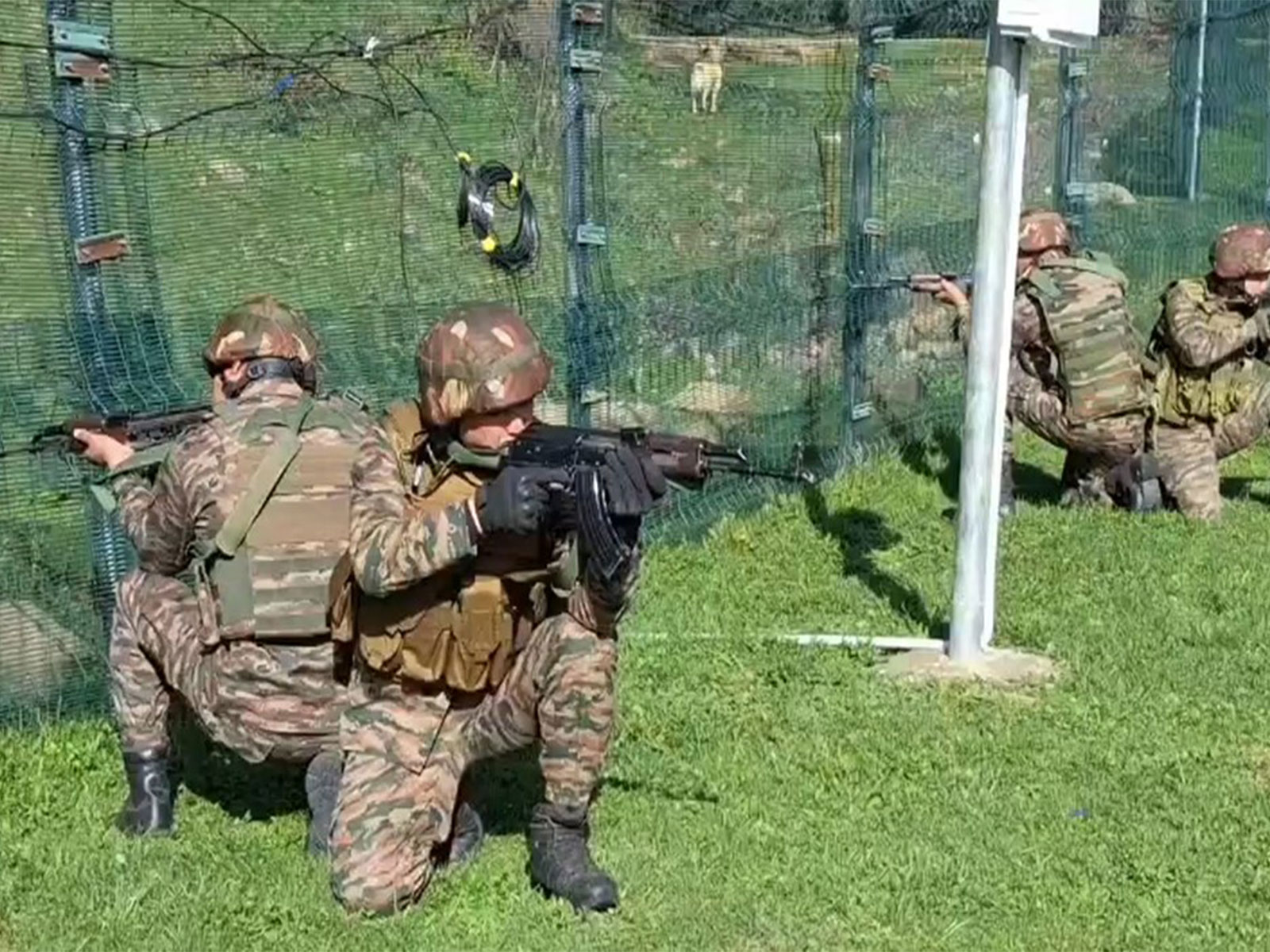
Indian armed forces struck terror bases in Pakistan and Pakistan-occupied Jammu and Kashmir (PoJK).In Operation Sindoor, launched on May 7, 2025, India successfully destroyed nine major terror launchpads in Pakistan and Pakistan-occupied Jammu and Kashmir (PoJK), targeting Lashkar-e-Taiba, Jaish-e-Mohammed, and Hizbul Mujahideen facilities. Indian armed forces killed over 100 terrorists in action.
Pakistan responded with drone attacks and shelling, which led to a four-day conflict between the two neighbouring countries. India showed formidable defence and conducted retaliatory strikes, destroying Radar installations in Lahore and Radar facilities near Gurjanwala.
Following significant damage, Pakistan's Director General of Military Operations (DGMO) reached out to the Indian DGMO, and a ceasefire was agreed on May 10, bringing an end to the hostilities.