Delhi HC dismisses Neha Bora’s plea against ₹10,000 peace bond notice, directs Magistrate to share material
Oct 23, 2026
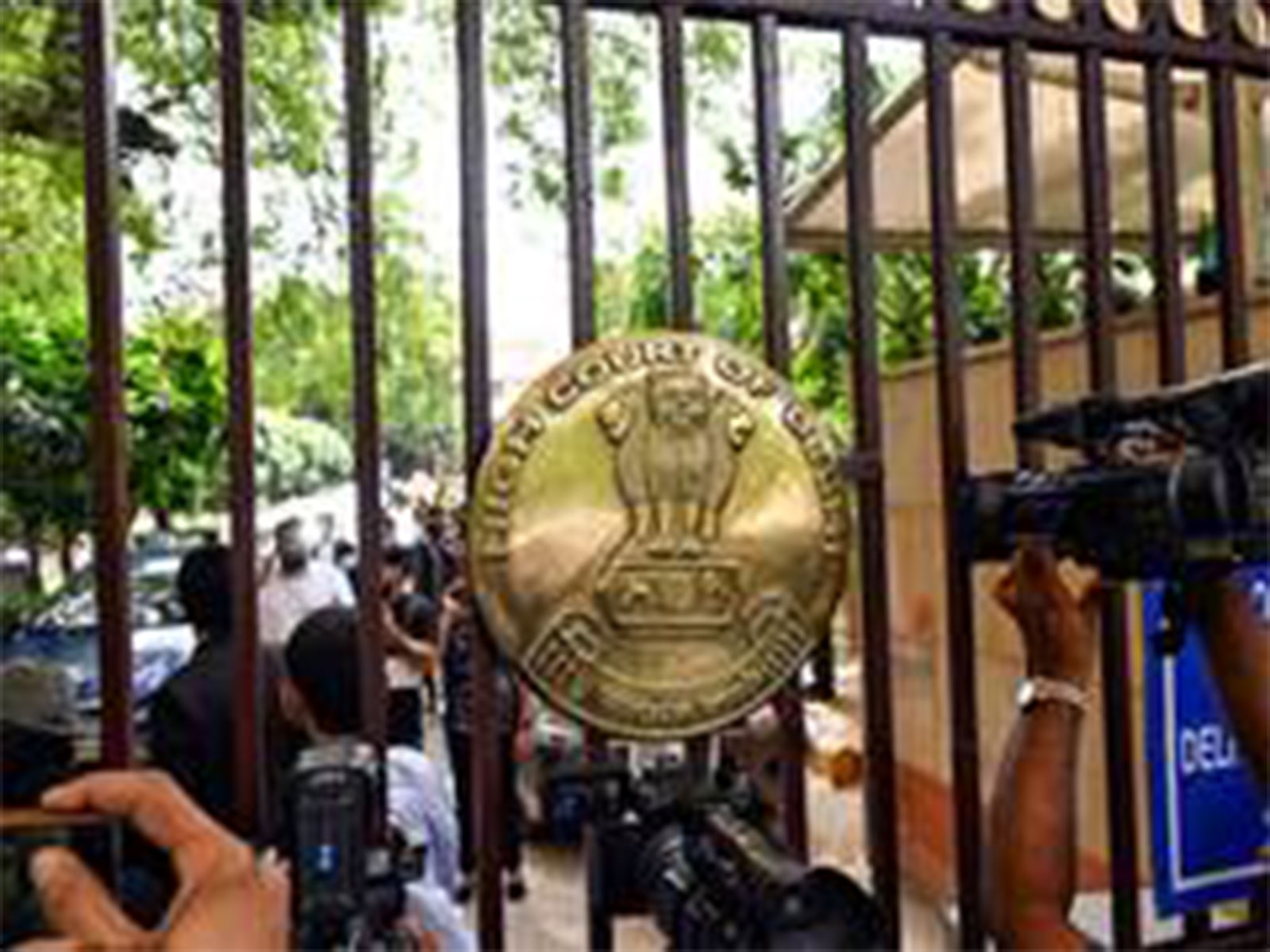
New Delhi [India], October 23 : The Delhi High Court on Friday dismissed a writ petition filed by AISA leader Neha Bora challenging a notice issued by a Special Executive Magistrate asking her to execute a bond of ₹10,000 with one surety to maintain peace during the period of inquiry.
Justice Subramonium Prasad, while rejecting the petition, issued certain directions to the magistrate, including that all material relied upon in the proceedings be furnished to Bora.
“The writ petition is rejected. However, there are certain directions. All the material is to be furnished to her,” the judge said.
Bora had challenged the preventive proceedings initiated against her under Sections 126 and 130 of the Bharatiya Nagarik Suraksha Sanhita (BNSS), questioning the legality of the notice and the procedure followed by the authorities.
Senior advocate Gopal Sankaranarayanan, appearing for Bora, submitted that the notice was issued without proper application of mind and contained assertions that were disputed by his client.
He told the court that Bora, an AISA leader involved in public protests, had called for a gathering at Mandi House on October 16 after Jantar Mantar was denotified as a protest site.
The counsel argued that her call was for a peaceful gathering and did not amount to an exhortation to violence or the commission of an offence. He also disputed the suggestion that Bora had called for a gathering at Connaught Place, submitting that the demonstration there had been organised by another group.
Sankaranarayanan further questioned the factual basis of certain statements in the notice, including the reference to a proposed hoisting of the national flag without permission. He argued that the notice appeared to reproduce allegations without reflecting an independent assessment by the Special Executive Magistrate.
The counsel also raised concerns over the manner in which the proceedings were initiated, submitting that preventive action affecting an individual must strictly comply with the procedure prescribed by law.
During the hearing, the court examined whether the magistrate had independently assessed the information placed before him and whether the relevant material had been considered in accordance with the statutory framework.
The court also referred to the stigma that can accompany preventive proceedings, noting the concern that a person may feel branded as someone likely to breach the peace.
“The concern of the petitioner is that I am already branded as a bad boy and asked to say ‘you shall be a good boy’,” the judge observed, adding that the issue had a facet involving Article 21 of the Constitution.
The bench also considered the scope of the High Court’s jurisdiction under Article 226 and whether it would be appropriate to examine the challenge before completion of the inquiry under Section 135 of the BNSS.
Opposing the petition, Additional Solicitor General Chetan Sharma, assisted by Central Government Standing Counsel Ashish Dixit, questioned the maintainability of the plea and defended the initiation of preventive proceedings.
Sharma referred to six FIRs against Bora and alleged repeated violations, submitting that the authorities had material to consider while assessing the possibility of a breach of peace.
The ASG also referred to a prohibitory order under Section 163 of the BNSS that, according to the State, was in force in the relevant area at the time. He argued that the prevailing circumstances and the information available to the police had to be considered while deciding whether preventive action was warranted.
During the submissions, Sharma also referred to a gathering involving other individuals and statements concerning “regime change”. The petitioner’s counsel disputed the implications sought to be drawn from the circumstances, while the ASG argued that political change should take place through the electoral process.
On the material placed before the Special Executive Magistrate, Sharma said the police kalandra was accompanied by relevant records, including general diary entries and FIRs. He also referred to the investigating officer being called to explain the circumstances.
Dixit confirmed that the kalandra was accompanied by FIRs and general diary entries.
The State further argued that Sections 126 and 130 of the BNSS operated together in circumstances involving a likelihood of breach of peace. Sharma submitted that the proceedings were preventive in nature and had not, at that stage, resulted in the imposition of a bond or any penal consequence.
After hearing the submissions from both sides, the High Court dismissed Bora’s writ petition but issued directions to the magistrate, including that all material relied upon in the proceedings be furnished to her.
The petition challenged a notice asking Bora to execute a bond of ₹10,000 with one surety to maintain peace during the inquiry. The court’s order rejects her challenge while directing the authorities to provide the material forming the basis of the proceedings.