Delhi HC gives six weeks to Race Course slum residents to vacate, orders rehabilitation oversight
Aug 25, 2026
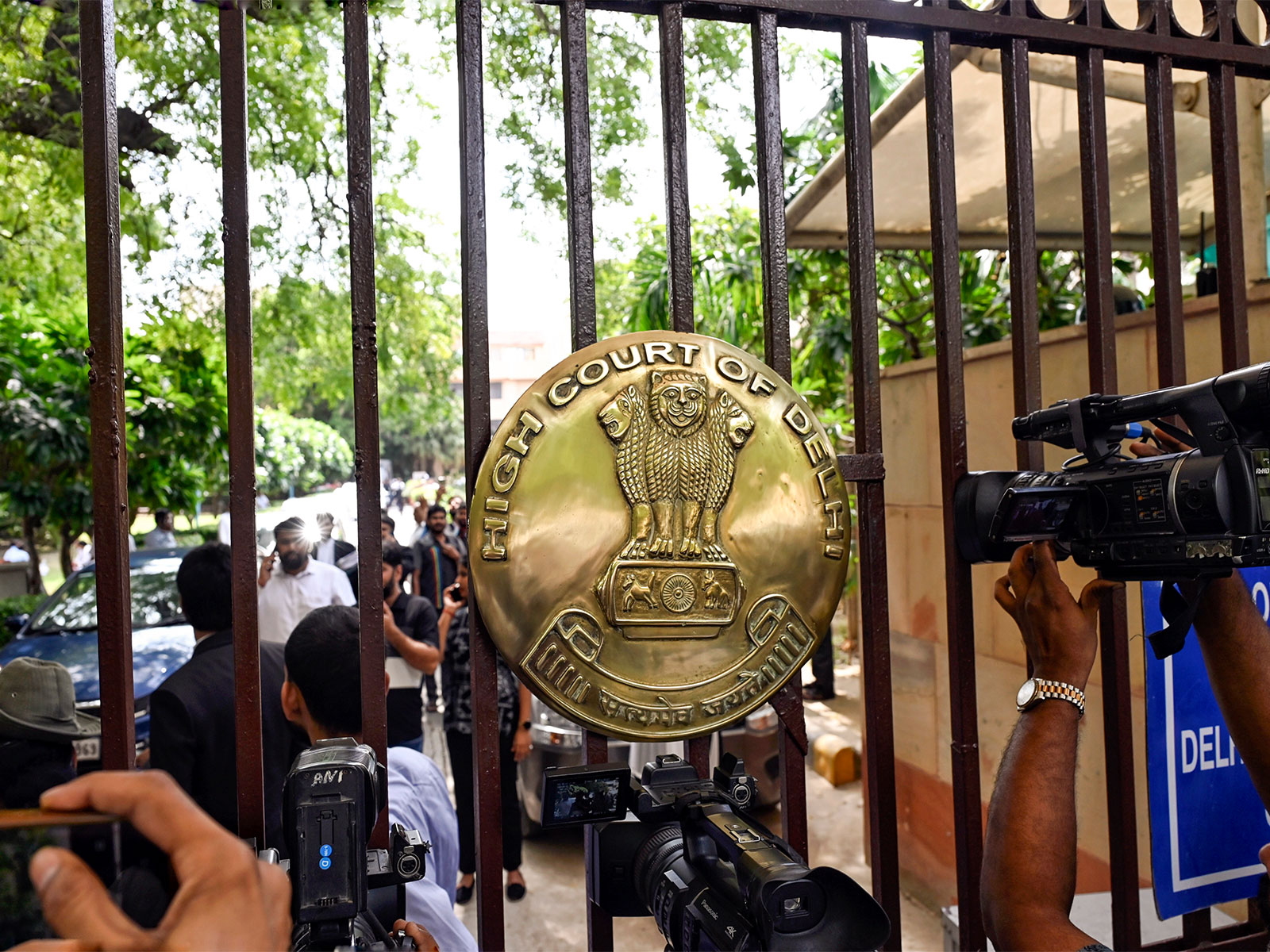
New Delhi [India], August 25 : The Delhi High Court on Tuesday granted residents of three jhuggi clusters near the Prime Minister's official residence in the Lok Kalyan Marg area six weeks to vacate the settlements and shift to alternative accommodation allotted to them at Savda Ghevra in outer Delhi.
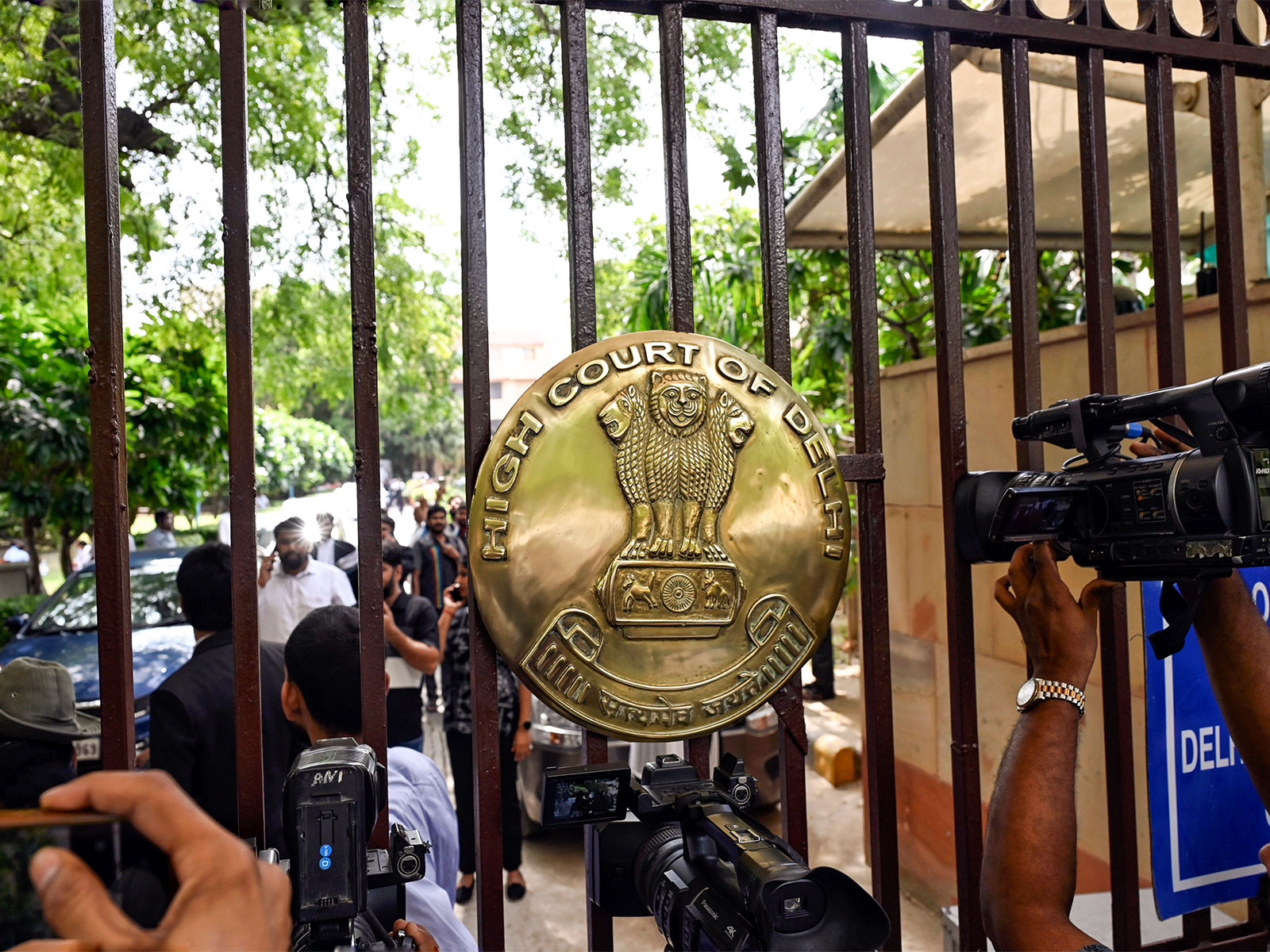
A Division Bench of Chief Justice Devendra Kumar Upadhyaya and Justice Tejas Karia modified the earlier direction of a single judge, who had ordered the residents to vacate the area within 15 days.
The Bench said that after the expiry of six weeks, the authorities would be entitled to clear the land and, if necessary, seek police assistance for carrying out the eviction.
The Court directed that the residents be provided the accommodation allotted to them at the DUSIB colony during the six-week period. It also made clear that the government would remain bound by its undertakings and earlier orders of the Court concerning the availability of basic amenities at the rehabilitation site.
To oversee the relocation process, the Bench constituted a committee headed by former Delhi High Court judge Justice Manmohan Sharma. The committee will monitor the rehabilitation of the residents and ensure that the facilities promised by the government are made available to them.
The committee will also have representatives from various departments of the Delhi government and the Central government. The Court directed the government to notify its constitution immediately.
The order came on appeals filed by residents of Bhai Ram Camp, DID Camp and Masjid Camp, located near the Race Course area. The settlements are home to hundreds of families who had opposed their relocation to Savda Ghevra.
The residents had argued that shifting them to the outskirts of Delhi would disrupt their livelihoods, children's education and access to healthcare. They submitted that many residents work as drivers, domestic workers and labourers in central Delhi and would face difficulties commuting to their places of employment after relocation.
The Centre defended the proposed eviction, citing national security considerations. It submitted that the settlements are situated close to sensitive military installations and an operational Air Force station.
The government also informed the Court that infrastructure such as sewer lines, water supply, roads and parks was available at the relocation site, while additional facilities were being developed.
It further submitted that the government had agreed to bear the Rs 1.12 lakh beneficiary contribution ordinarily payable by residents under the rehabilitation rules. The families would also be given three months to pay maintenance charges.
The Court noted that the right to shelter and livelihood is protected under Article 21 of the Constitution and is closely linked to the right to life. At the same time, it held that rehabilitation would not by itself violate constitutional rights where the authorities follow the applicable rehabilitation policy and ensure adequate facilities at the relocation site.
While holding that there was no violation of the rehabilitation policy in the present case, the Division Bench extended the time available to the residents to vacate from 15 days to six weeks and put in place a monitoring mechanism to oversee their rehabilitation.