Delhi HC orders forensic audit into dissipation of Fortis shares in Rs 5,300-crore Daiichi award case
Aug 31, 2026
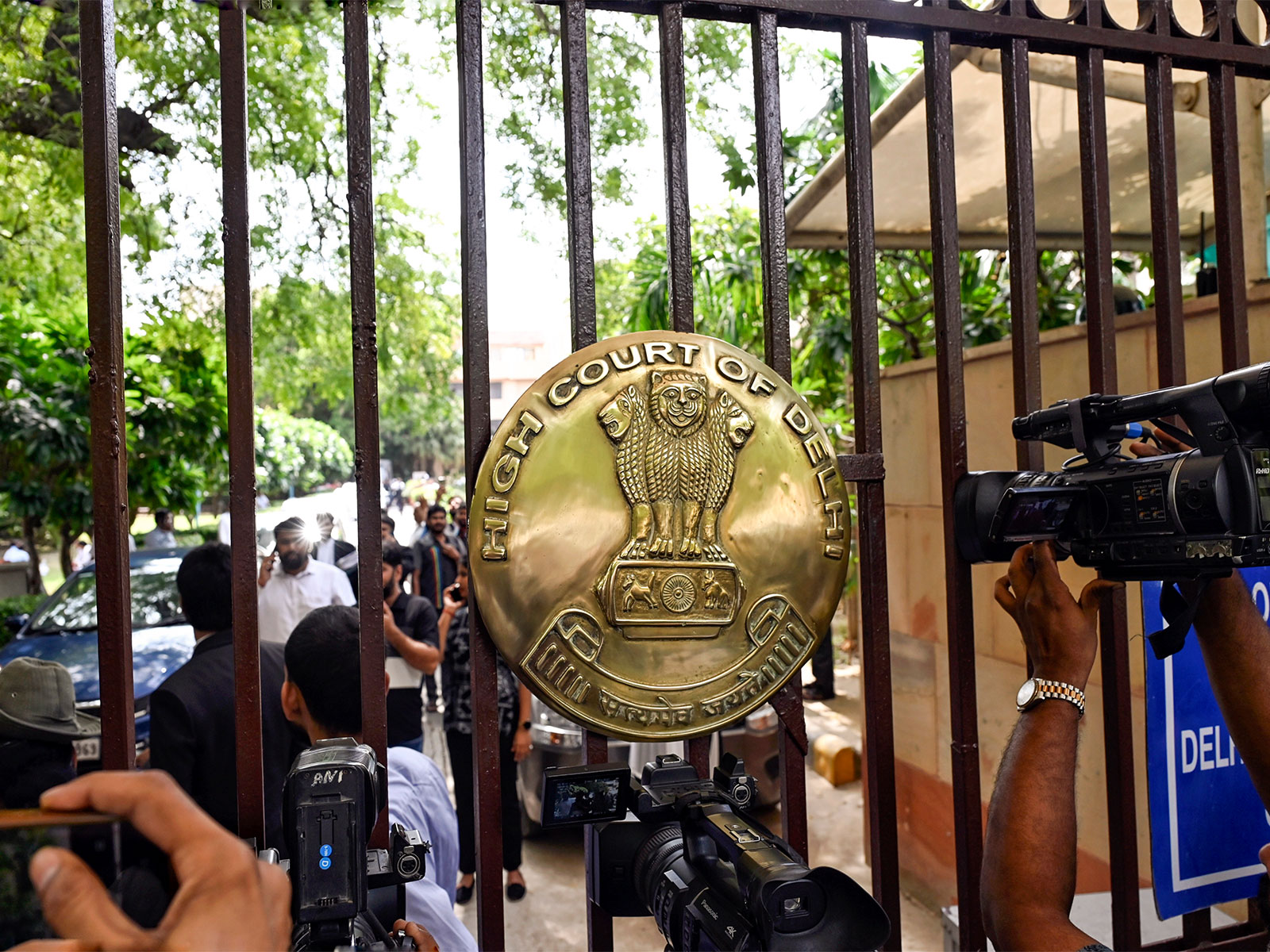
New Delhi [India], August 31 : The Delhi High Court on Monday ordered a detailed forensic audit into the alleged dissipation of shares and assets linked to former Fortis promoters Malvinder Mohan Singh and Shivinder Mohan Singh in the long-running enforcement proceedings initiated by Japanese drug major Daiichi Sankyo.
Justice Subramonium Prasad appointed S Ramanand Aiyar & Co., Chartered Accountants, as the forensic auditor and directed it to reconstruct the entire chain of transactions involving shares of Fortis Healthcare Ltd (FHL), the judgment debtors, and the banks and financial institutions that had financed transactions against the shares.
The court said the exercise is aimed at determining how the assets available for satisfying the arbitral award were reduced and identifying the persons and entities involved.
The dispute relates to a Singapore arbitration award dated April 29, 2016, under which the judgment debtors were directed to pay about Rs 2,562 crore along with interest. According to Daiichi, the amount due has now risen to approximately Rs 5,300 crore.
The award was challenged before the Delhi High Court, but the challenge was rejected in 2018, and the Supreme Court also declined to interfere. Despite this, the execution proceedings have continued for nearly a decade.
A major issue before the High Court was the sharp decline in the shareholding of Fortis Healthcare held through Fortis Healthcare Holding Pvt Ltd (FHHPL), which was controlled by the judgment debtors.
The court noted that in September 2016, FHHPL held 32.50 crore shares of FHL, including 5.29 crore unencumbered shares. By September 2017, its total holding had fallen to about 17.80 crore shares, while the unencumbered shares had dropped dramatically to just 26.31 lakh.
The Supreme Court had meanwhile passed orders requiring the shareholding position to be maintained.
The High Court said the reduction of more than three crore unencumbered shares after the Supreme Court's status quo order raised serious questions that could not be answered merely on the basis of pleadings. It held that a forensic examination was necessary to determine whether the reduction resulted from genuine enforcement of existing security interests or whether assets represented to the court as available for satisfying the award were gradually disposed of.
The court also referred to repeated assurances given before it that the assets would be preserved for meeting the award. It observed that it had refrained from ordering attachment of assets at the relevant stage because it relied on those assurances.
The forensic audit will not be limited to the judgment debtors. The court directed an examination of the role of banks and financial institutions, FHL and its officers, directors, key managerial personnel, company officials, depositories, the Registrar and Transfer Agent and other intermediaries involved in the transactions.
The auditor has been asked to prepare a transaction-by-transaction record of the Fortis shares, including pledges, fresh security, top-ups, invocation of pledges, release of securities and sale or transfer of shares. It will also examine loans secured against the shares and prepare a bank-wise statement of the transactions.
The auditor has also been directed to trace the money received from the sale or transfer of the shares and find out where those funds ultimately went.
It will examine books of account, bank statements, demat records, board and committee minutes, shareholder resolutions, statutory filings, emails, correspondence, legal opinions and other relevant records. The auditor will also identify the persons who proposed, approved, authorised, facilitated or implemented the transactions.
The court further included within the audit the transactions relating to the IHH-NTK deal and the acquisition of assets from RHT Health Trust, Singapore, including the movement of the sale consideration. The judgment refers to an earlier observation of the Supreme Court concerning the acquisition of hospital and diagnostic assets for about Rs 4,666 crore.
The High Court also examined the principle of reverse piercing of the corporate veil. It said that while companies ordinarily have a separate legal identity, that structure cannot be allowed to become a device to defeat a court decree or put assets beyond the reach of a creditor.
The court said the forensic audit would provide the factual basis to determine whether the corporate structure was used to defeat Daiichi's rights or evade court orders. Depending on what the audit reveals, the court may have to consider whether companies used as vehicles for such transactions can be made answerable for their consequences.
The court made it clear, however, that ordering a forensic audit is an investigative step and does not by itself establish civil liability against any person or entity. The purpose is to reconstruct the facts before the court reaches any final conclusion on responsibility.
The court said Daiichi had initially sought a forensic audit concerning 17 banks and financial institutions. Although the decree holder later narrowed its request during arguments and subsequently stated that it did not want an audit of the banks, the High Court held that the wider audit was still necessary.
The court said the change in Daiichi's position did not prevent it from ordering an audit because the material before it raised questions about whether financial institutions may have assisted in transactions that allegedly defeated the undertakings and orders of the courts.
The auditor has been given six months to complete the exercise. The decree holder will initially bear the auditor's fees.
The court also directed all concerned entities to cooperate with the auditor. The auditor will issue its first requisition within four weeks, and the concerned parties will have two weeks to provide the required information and documents. Failure to comply with the auditor's requisitions will be treated as contempt of court.
The High Court allowed all three applications filed by Daiichi seeking the forensic audit and production of additional documents.