Dengue cases rise in Chennai, 1,290 people affected in September: Tamil Nadu Health Department
Oct 01, 2026
Chennai (Tamil Nadu) [India], October 1 : With 1,290 people diagnosed with the mosquito-borne disease in September, dengue cases are on the rise in Chennai.
The number of cases from September are more than double the 605 cases reported in August, according to the Tamil Nadu Health Department.
Across Tamil Nadu, dengue cases have been increasing, with Chennai witnessing a two-fold rise in cases. The Health Department informed 72 people were affected by dengue in Chennai on September 30 alone.
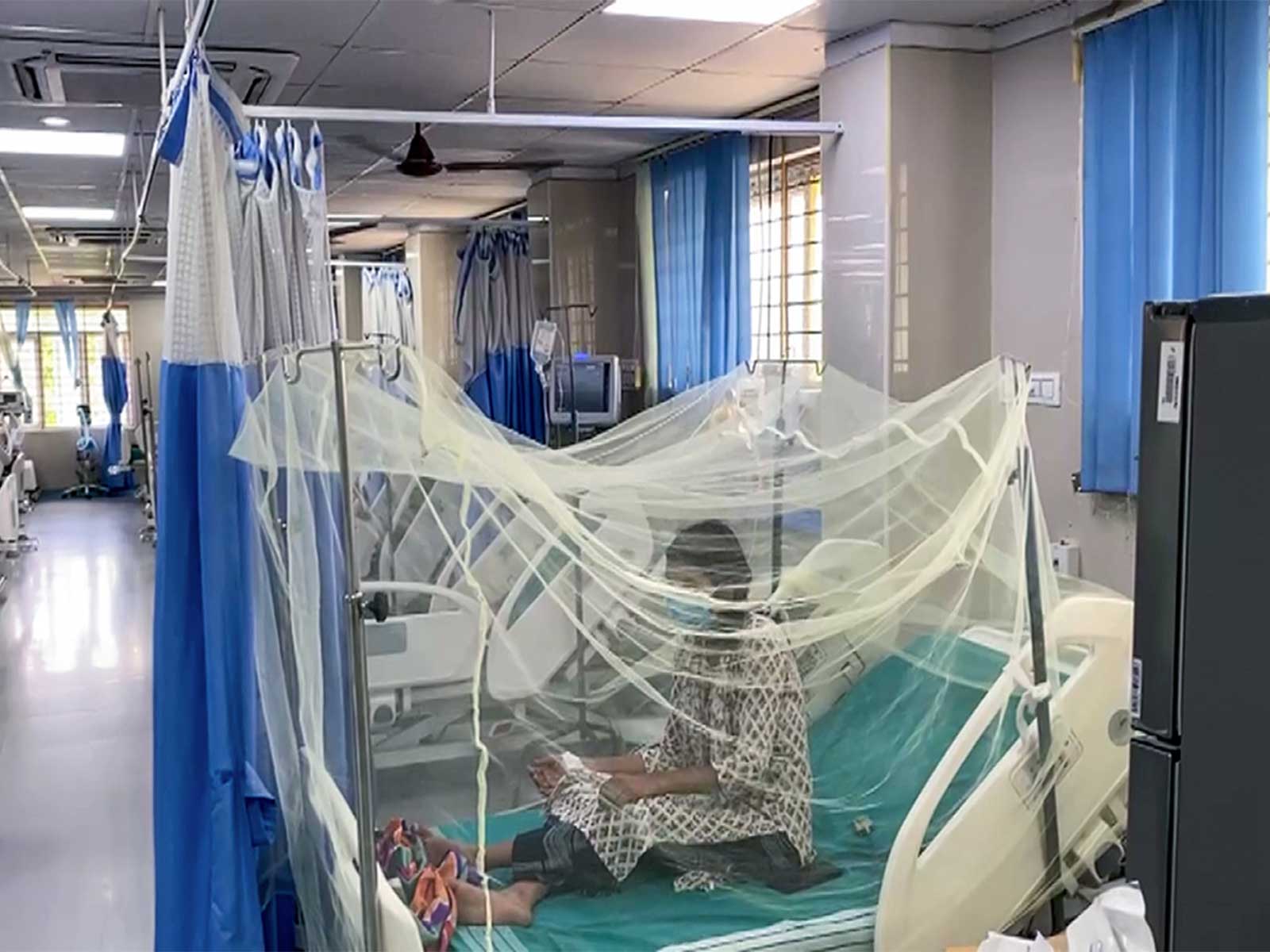
Amid the rising cases, health officials at the Thoothukudi Government Medical College Hospital have established dedicated adult and paediatric wards with isolation beds and mosquito netting to manage the anticipated seasonal surge in dengue cases on Sunday (September 25).
The hospital has set aside around 60 beds in the adult ward and 40 beds in the paediatric ward specifically for dengue patients. The facility has also made arrangements for diagnostic testing and treatment of patients admitted with high fever and dengue-like symptoms.
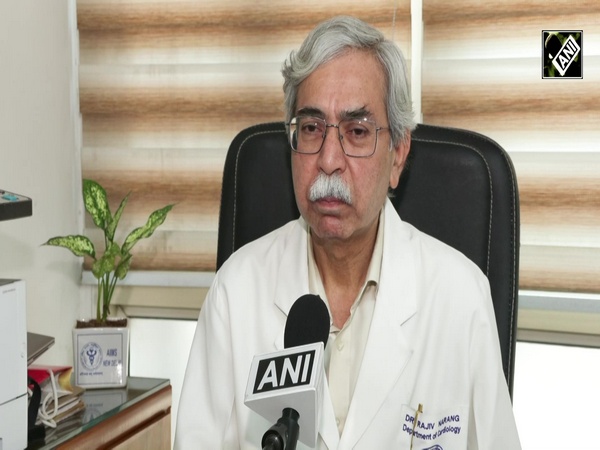
Dr R Padmanabhan, Medical Superintendent of the hospital, said the facility has adequate stocks of IV fluids, medicines, plasma and blood components.
“During this monsoon season, we have dedicated adult and paediatric wards separately. Around 60 beds in the adult ward and 40 beds in the paediatric ward have been designated for dengue patients. All the beds are isolated and covered with mosquito nets to prevent secondary transmission. We are fully prepared for dengue management. We have adequate stocks of IV fluids, medications, plasma, and blood components. Essential medicines are also available in sufficient quantities,” Padmanabhan told ANI.
Explaining the progression of dengue, Padmanabhan said the disease generally develops in three phases and patients need close monitoring, particularly during the critical phase.
“Dengue generally has three phases. The first is the febrile phase, during which the patient experiences a high-grade fever. Once the fever phase ends, usually around the fifth or sixth day, the patient may enter the critical phase. During this phase, the patient may experience severe abdominal pain, vomiting, muscle pain, and extreme tiredness,” he said.
Doctors warned that a significant fall in platelet count during the critical phase can result in thrombocytopenia and increase the risk of bleeding.
“During the critical phase, the platelet count may decrease significantly, resulting in thrombocytopenia and an increased risk of bleeding. Bleeding can occur from different parts of the body, particularly from the nose, mouth, or urinary tract. This is why the critical phase requires close medical attention,” Padmanabhan said.
He urged people experiencing high-grade fever to seek immediate medical evaluation instead of delaying treatment.
Padmanabhan also stressed the need for community-level measures to prevent mosquito breeding and reduce dengue transmission.
“Whenever you find stagnant water inside or outside your house, make sure it is removed,” he advised.
“If you have flower pots, or if there is any place behind the refrigerator or elsewhere in the house where water is stagnating, please empty and clean it regularly. It is also very important to keep all containers storing clean water properly covered,” he added.
The hospital is also prepared to increase its bed capacity and deploy additional medical resources if admissions rise.
“The hospital is on alert and prepared to manage any increase in dengue cases,” Padmanabhan said.