"Extremely successful": Polish Foreign Minister hails PM Tusk's visit to India as bilateral ties enter new phase
Oct 30, 2026
By Reena Bhardwaj
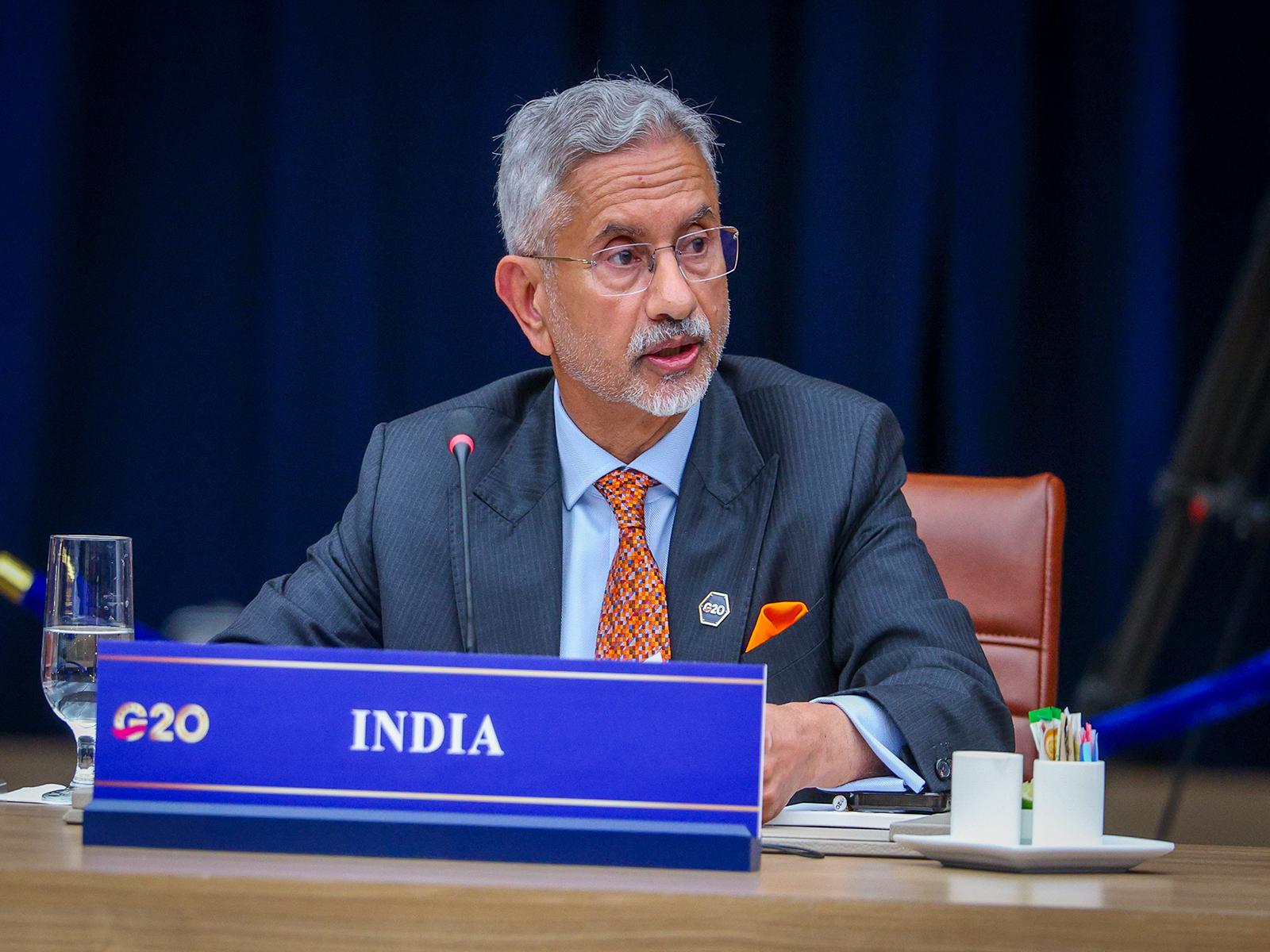
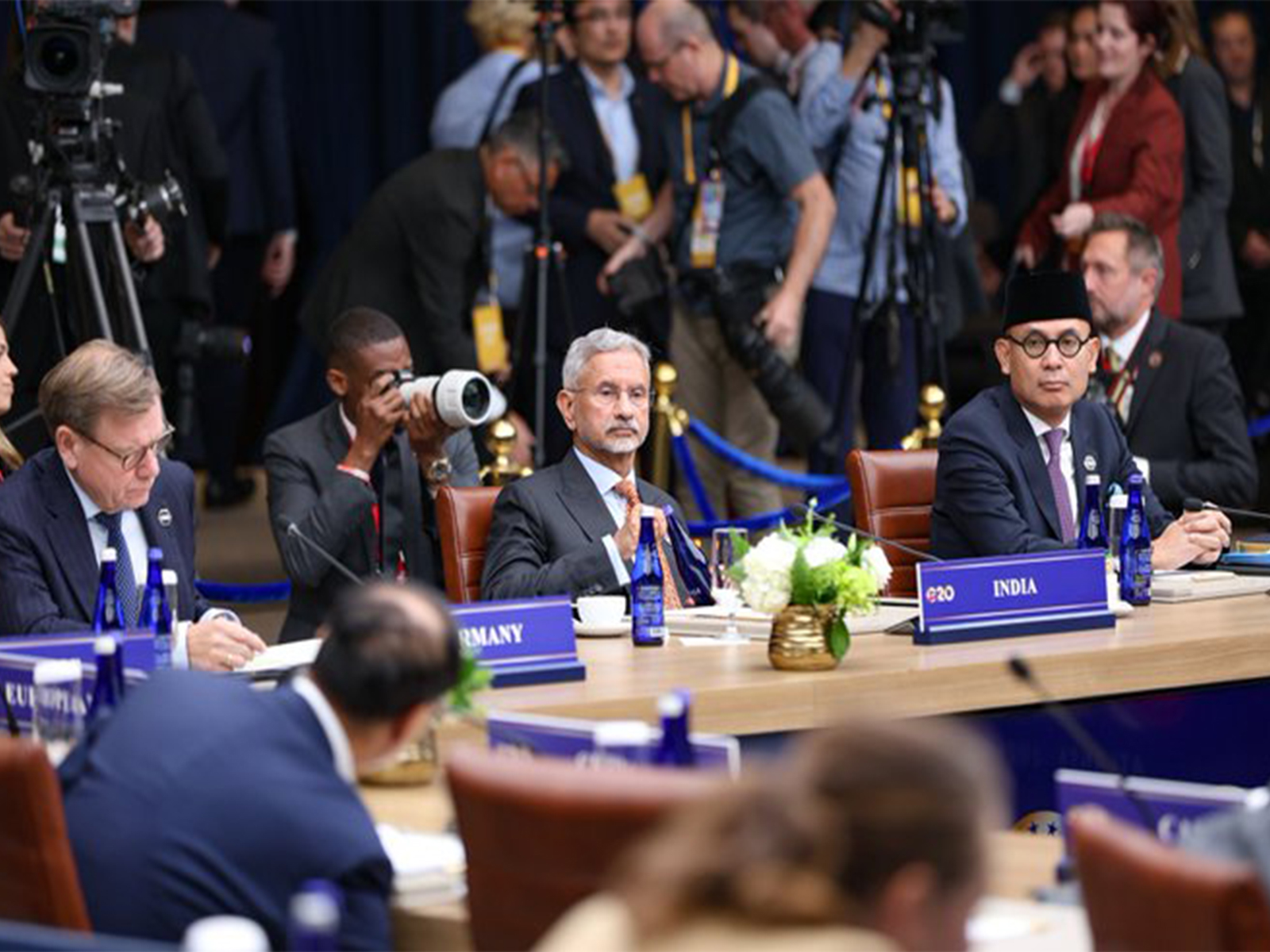
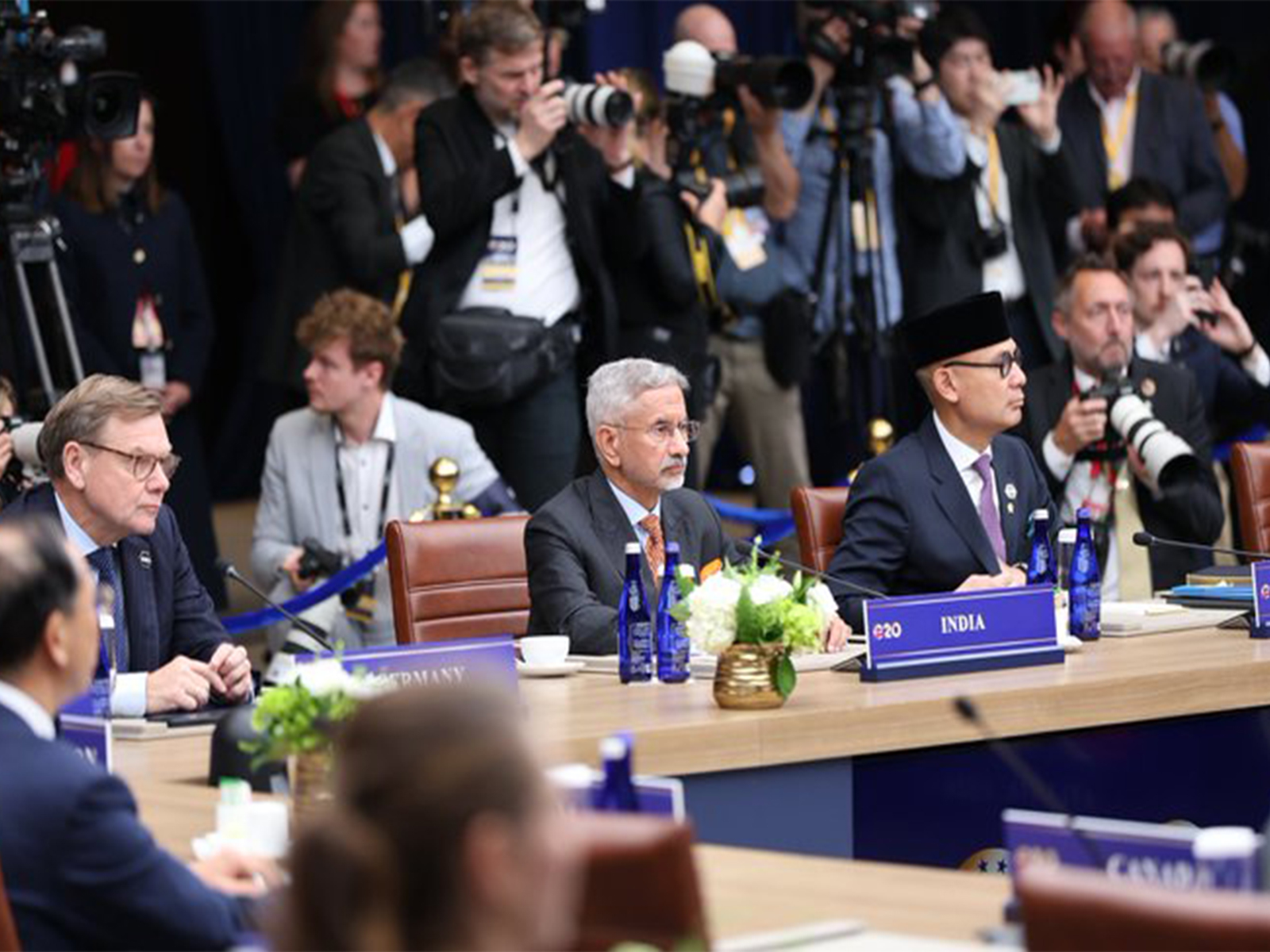
Atlanta [US], October 31 : Lauding Prime Minister Donald Tusk’s recent visit to New Delhi as a resounding success, Poland has signalled a new phase in bilateral cooperation and economic alignment between the two nations.
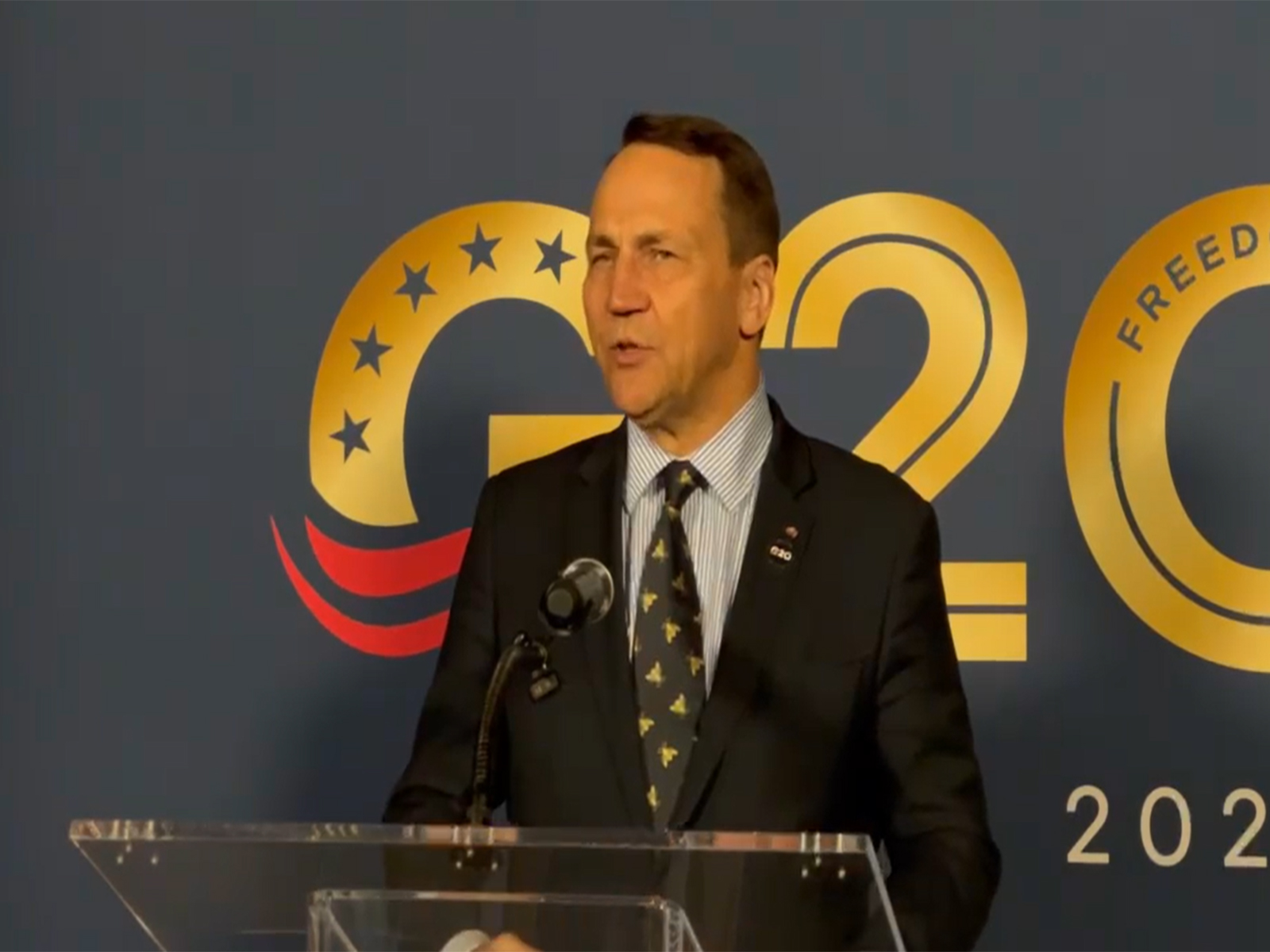
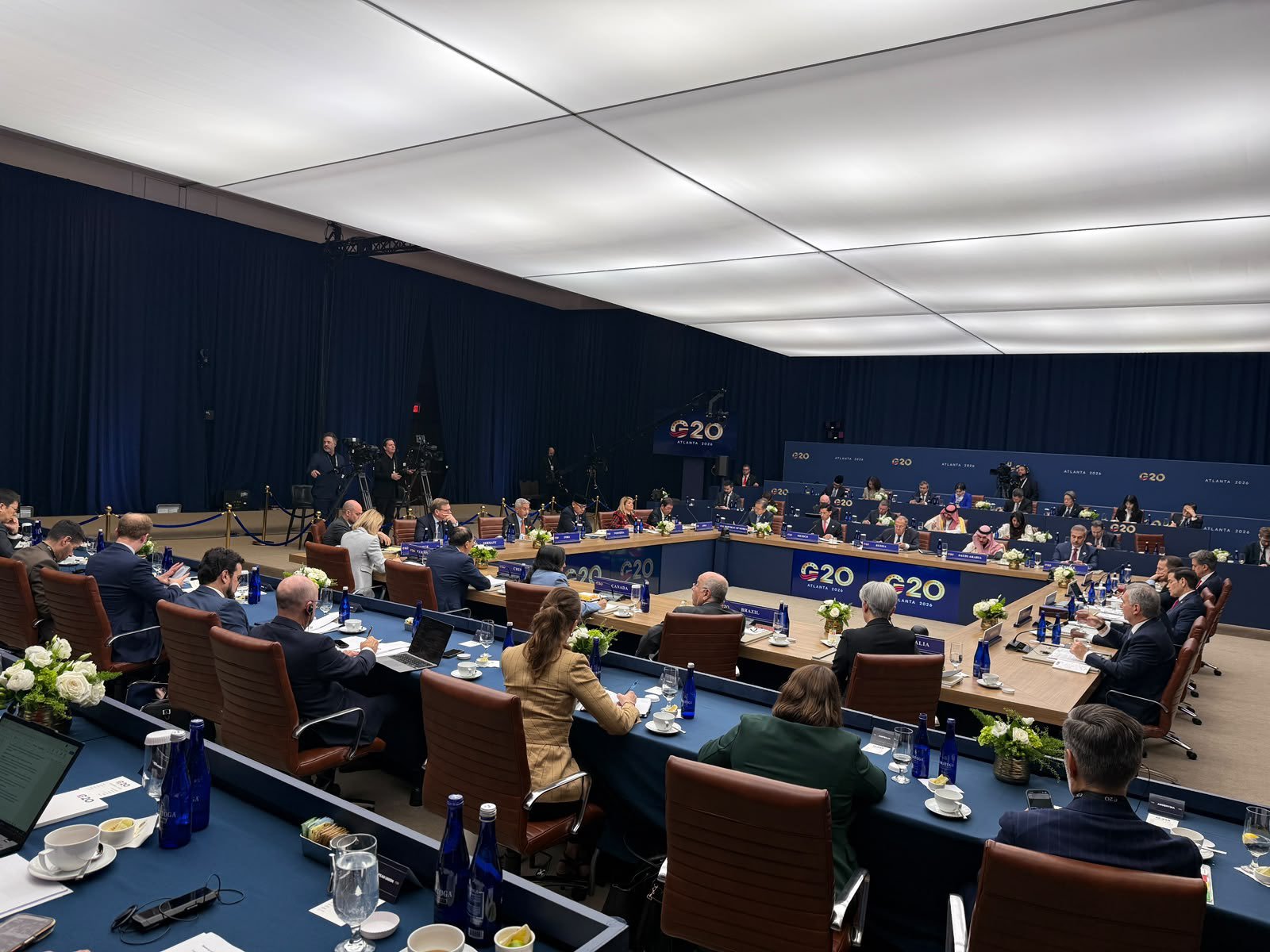
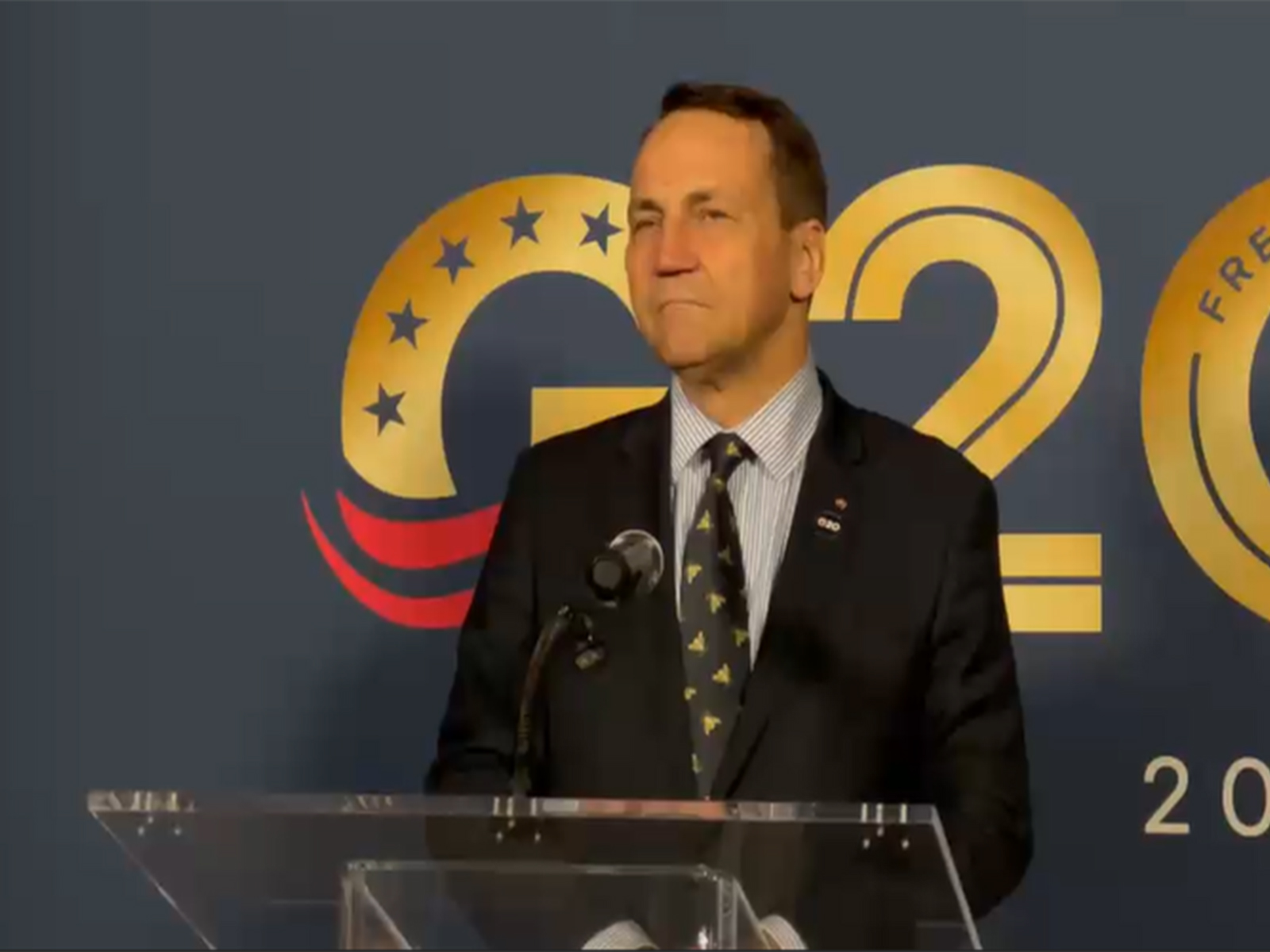
Responding to ANI’s query on developments concerning Poland and India during his diplomatic engagements on the sidelines of the G20 Foreign Ministers’ Meeting in Atlanta, Poland’s Deputy Prime Minister and Foreign Minister Radosław Sikorski stated, "We regard the visit by Prime Minister Donald Tusk to India as extremely successful, and we are very pleased with it. We are encouraged by the prospects of the India-EU Free Trade Agreement. Negotiations have accelerated. We hope the agreement with India will soon come into effect to the mutual benefit of both sides."
Building on this positive momentum, Polish Prime Minister Donald Tusk undertook an official visit to India from October 21 to October 23. During the visit, Prime Minister Tusk was accompanied by Poland’s Finance and Economy Minister Andrzej Domański and a large business delegation comprising nearly 100 companies.
Expanding on the diplomatic and commercial roadmap, Tusk met Prime Minister Narendra Modi in New Delhi on October 22 to review the India-Poland Strategic Partnership, which was elevated to that status in August 2024, and discuss cooperation in trade, investment, defence, emerging technologies, renewable energy, education and culture.
Further cementing these economic ties, he participated in the India-Poland Business Forum sessions held in New Delhi on October 22 and Bengaluru on October 23, focusing on IT, space and economic ties.
The visit aimed to build on the momentum of Prime Minister Narendra Modi’s August 2024 visit to Poland and deepen relations ahead of broader India-EU developments.
The G20 is an international forum of both developing and developed countries that seeks to find solutions to global economic and financial issues. Its members include the world’s major economies, representing 85 per cent of global gross domestic product, over 75 per cent of international trade and about two-thirds of the world’s population.
The G20 comprises 19 countries, including Argentina, Australia, Brazil, Canada, China, France, Germany, India, Indonesia, Italy, Japan, South Korea, Mexico, Russia, Saudi Arabia, South Africa, Turkiye, the United Kingdom and the US, along with two regional bodies, namely the European Union and the African Union. The G20 does not have a permanent secretariat or staff. Instead, the G20 presidency rotates annually among the members.