From rehabilitation to redevelopment: Uttarakhand marks one year of restoration across Dharali, Bhagirathi Valley
Aug 04, 2026
Dehradun (Uttarakhand) [India], August 4 : A year ago, on August 5, a devastating disaster left deep scars across Dharali and the surrounding Bhagirathi Valley. Within moments, massive debris swept away years of hard work and livelihoods.
Homes, shops, farmlands, orchards, livestock, and sources of income were severely affected, leaving behind widespread destruction, despair, and uncertainty about the future.
Dharali, Harsil, and Bhatwari are steadily rising again, the Chief Minister's Office has said. Roads and essential infrastructure have been restored, greenery has returned to the fields, orchards are flourishing once more, and the local economy is gradually regaining momentum.
The despair that followed the disaster has given way to renewed confidence in reconstruction and a brighter future.
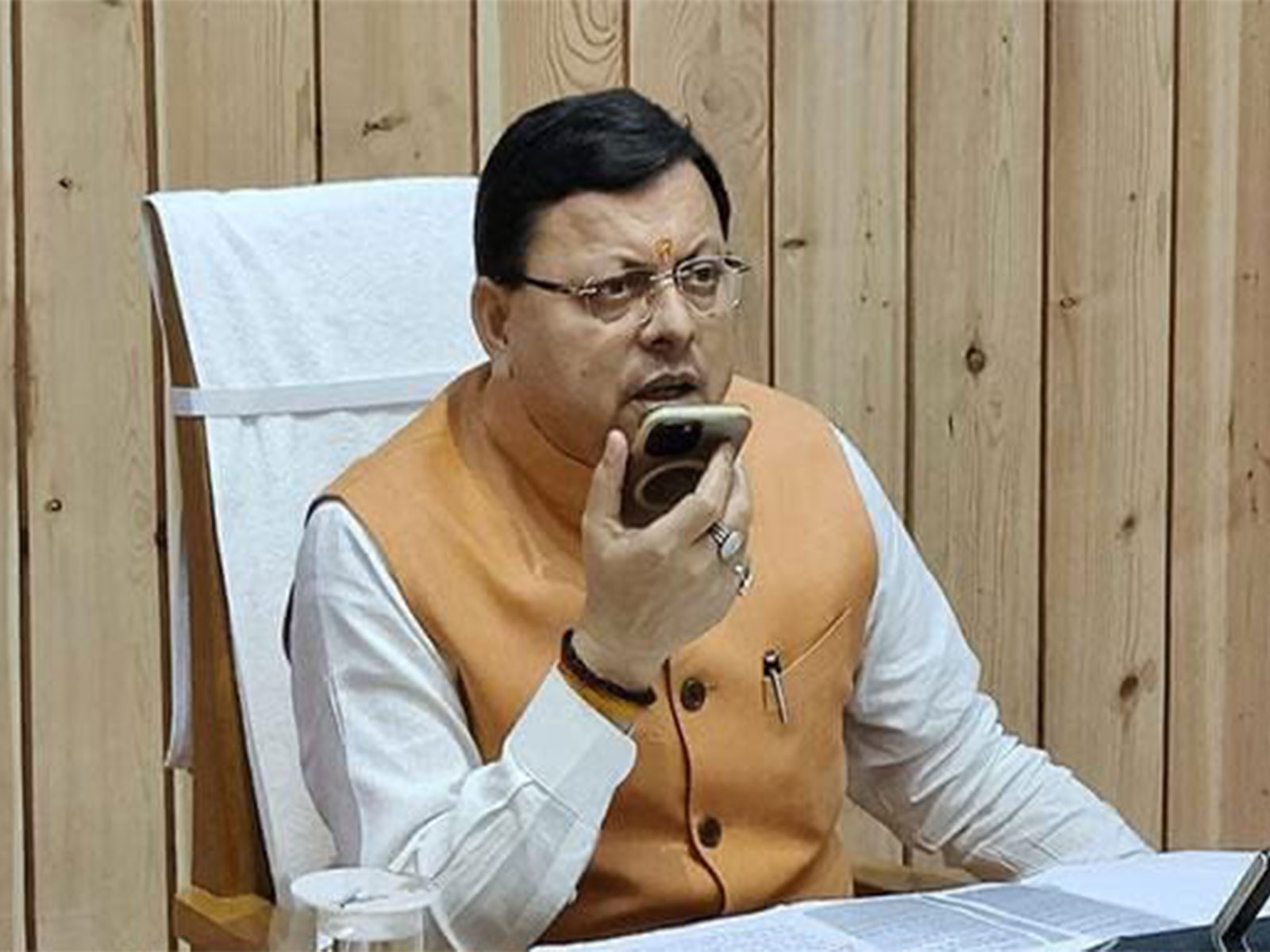
Under the leadership of Chief Minister Pushkar Singh Dhami, the Uttarakhand Government adopted a strategy of moving "from relief and rescue to rehabilitation, and from rehabilitation to redevelopment" from the very first day of the disaster, the release said.
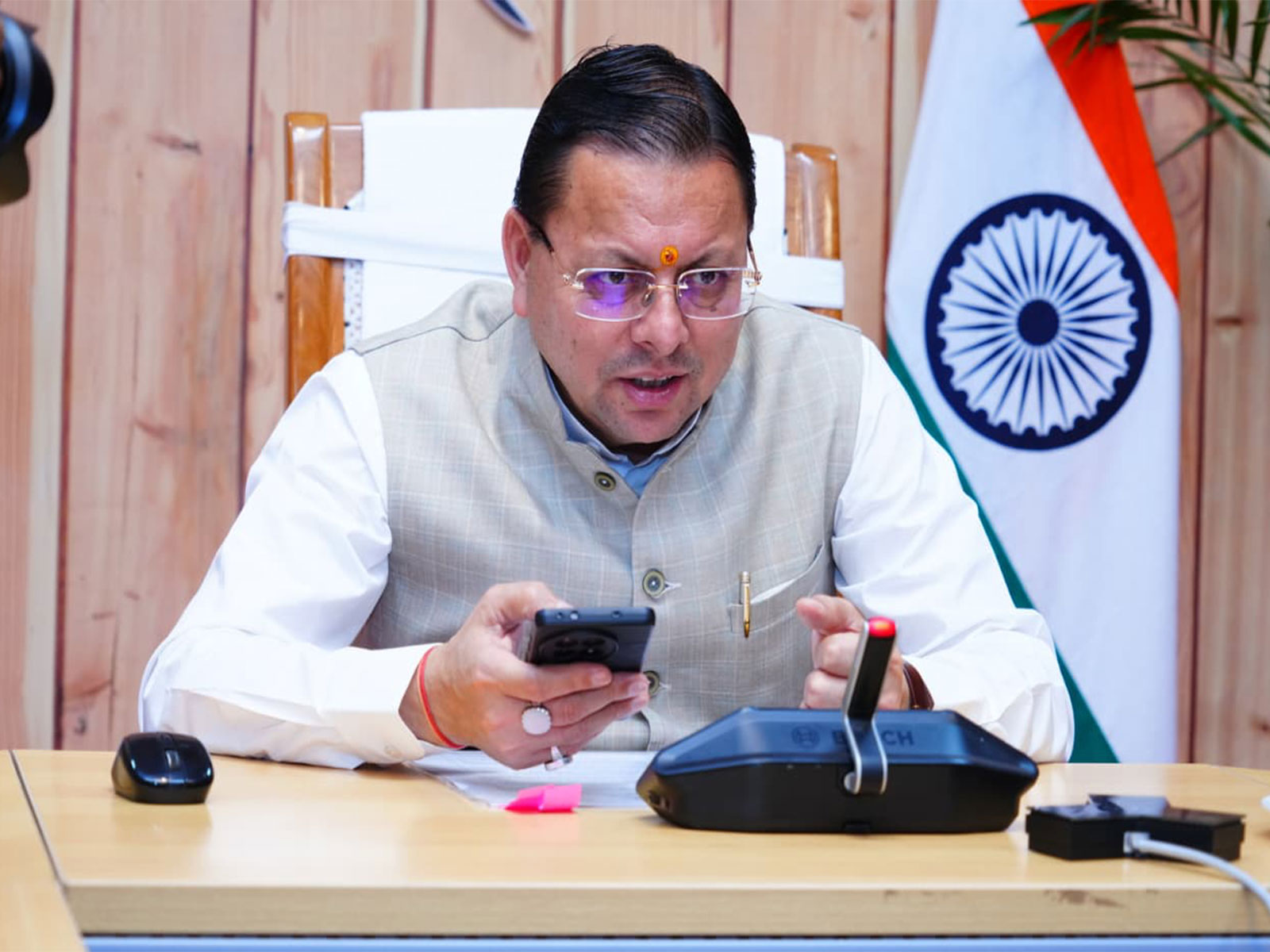
The Chief Minister personally visited the affected areas, met with impacted families, and continuously monitored relief and rehabilitation efforts. He directed officials to ensure that there was no delay in providing assistance or restoring essential infrastructure.
The release further noted that, over the past year, the government has focused not only on repairing the damage caused by the disaster but also on rebuilding lives and revitalising the local economy through comprehensive rehabilitation initiatives.
More than ₹16 crore has been invested in development and rehabilitation works through various departments, including Animal Husbandry, Irrigation, Horticulture, Agriculture, Rural Development, Energy, Tourism, Public Works, and Food & Civil Supplies. In addition, financial assistance exceeding ₹17 crore has been provided to affected families under different relief schemes, the release said.
In total, more than ₹33 crore has been spent over the past year on development projects, rehabilitation measures, and financial assistance, providing substantial support to both the affected communities and individual families.
For many families, restoring their livelihoods was the greatest challenge. While some lost their orchards, others saw their crops, livestock, or businesses destroyed. Recognising this, the government ensured that rehabilitation extended beyond physical reconstruction.
According to the press release, support was provided for goat and sheep rearing, compensation for damaged orchards, distribution of crops and saplings to farmers, and assistance to revive agricultural activities. Simultaneously, irrigation systems, drinking water supply, and electricity infrastructure were restored on a priority basis.
Repair and reconstruction of damaged roads were undertaken with urgency. Flood protection works along the riverbanks were also accelerated to ensure that the region becomes more resilient and better prepared for future disasters.
Considering the vital role of tourism in the Bhagirathi Valley's economy, special emphasis was placed on reviving tourism activities to help restore local businesses, employment opportunities, and economic growth, the release stated.
The government's response has now evolved from immediate relief and rescue operations to compensation, rehabilitation, and ultimately redevelopment.
During periodic review meetings, Chief Minister Pushkar Singh Dhami emphasised that reconstruction should not merely restore the previous status quo but should create a safer, stronger, and more resilient region.
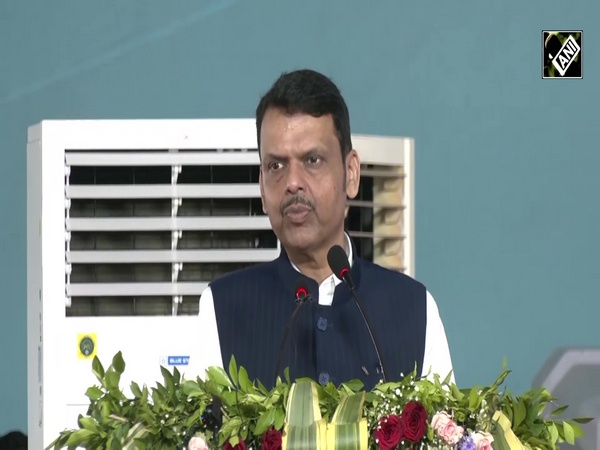
Chief Minister Pushkar Singh Dhami said, "The Dharali disaster was not merely a challenge of rebuilding infrastructure; it was a responsibility to restore the lives and future of the affected families. From the very first day, our government has stood firmly with every affected family. Our commitment is to make the Bhagirathi Valley safer, stronger, and more prosperous than before. Rehabilitation and reconstruction efforts will continue with full dedication."
A year ago, the images of Dharali's devastation moved the entire nation. Today, the same region stands as a symbol of resilience and hope. Roads have emerged from the debris, damaged orchards are flourishing once again, and life is steadily returning to normal.
The transformation witnessed in the Bhagirathi Valley over the past year reflects not only the resilience and determination of its people but also the Uttarakhand Government's compassionate approach, swift decision-making, and sustained efforts under the leadership of Chief Minister Pushkar Singh Dhami.