Glacial floods cut off parts of PoGB for fourth day; thousands reported stranded
Jul 25, 2026
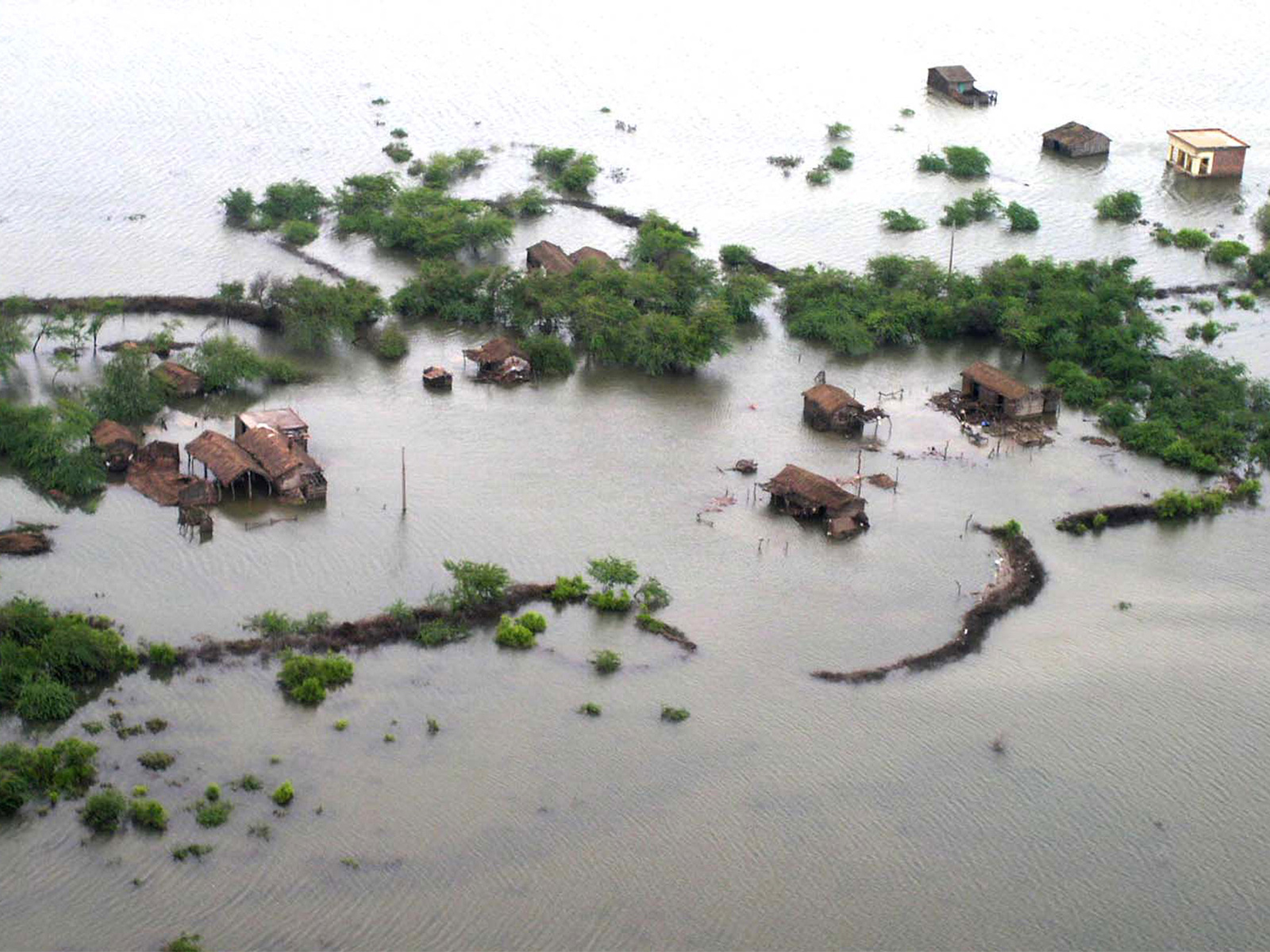
Gilgit [PoGB], July 26 : Accelerated glacier melting and widespread flash floods triggered by unusually high temperatures have left multiple valleys across PoGB isolated for a fourth consecutive day, hampering relief efforts and stranding thousands of residents and tourists.
According to a report by Dawn, the region is facing severe disruptions caused by an increase in glacial lake outburst floods (Glofs). While primary arteries like the Karakoram Highway (KKH) and the Gilgit-Shandur Road have been reopened, crucial routes, including the Baltistan Road, Astore Valley Road, Naltar Highway, and Hisper Road, remain blocked by mudflows, high water levels, and extensive road collapse.
Disaster management authorities are attempting to clear blocked passages and restore critical supply lines amid challenging conditions.
Director General of the GB Disaster Management Authority (GBDMA) Ataur Rehman Kakar told Dawn that heavy machinery has been deployed round the clock, though rising river levels complicate operations, Dawn reported.
"Between July 18 and July 21, GB recorded unprecedented temperatures, resulting in rapid glacier melting and Glof incidents in several areas," Kakar said, noting that the agency has distributed food, tents, medicines, and essential relief items to displaced families.
"High water levels and mudflows in rivers and nullahs have created serious challenges for road restoration activities," Kakar added, highlighting major obstructions on the Baltistan Road near Ansar Bridge and traffic halts in the Haramosh area.
Dawn reported that in response to the growing isolation of remote communities, GB Chief Minister Amjad Hussain instructed officials during a high-level meeting to launch helicopter rescue and relief operations where road access is entirely severed. He also ordered the establishment of an alternative light-vehicle route for Baltistan within two days and called for uninterrupted food and commodity supplies across affected districts.
Despite partial progress on main highways, local communities in Astore, Diamer, Ghizer, and Nagar report severe shortages of drinking water, electricity, food, and communication services. Fibre-optic infrastructure damaged by landslides has cut off mobile and internet connectivity across several areas.
In Nagar district's Hisper Valley, residents have been cut off for nearly two months following successive Glof events. Recent floodwaters on July 22 washed away an additional 300 feet of road at Apiharai and 800 feet at Bayo Khai. A temporary pedestrian track along the river currently serves as the only foot passage for locals carrying medicines and supplies while crews await receded water levels to begin heavy road reconstruction.
The Pakistan Meteorological Department (PMD) has issued warnings for continued rain, thunderstorms, and heavy falls at isolated places through July 28, raising further risk of landslides and secondary Glof events across vulnerable valleys, Dawn reported.
GBDMA situation reports confirm that while conditions are slowly stabilising in select districts, key choke points, including Haramosh Road, Naltar Road, Hisper Road, and sections of Astore Valley and Hushe Valley roads, will remain closed until weather conditions permit full-scale protective engineering works.
Earlier on Thursday, Dawn reported that at least 37 people died in rain-related incidents amid the ongoing monsoon spell that triggered flash floods and landslides, damaging houses, crops, livestock and roads in Khyber Pakhtunkhwa, PoGB, Pakistan-occupied Jammu and Kashmir and Punjab.