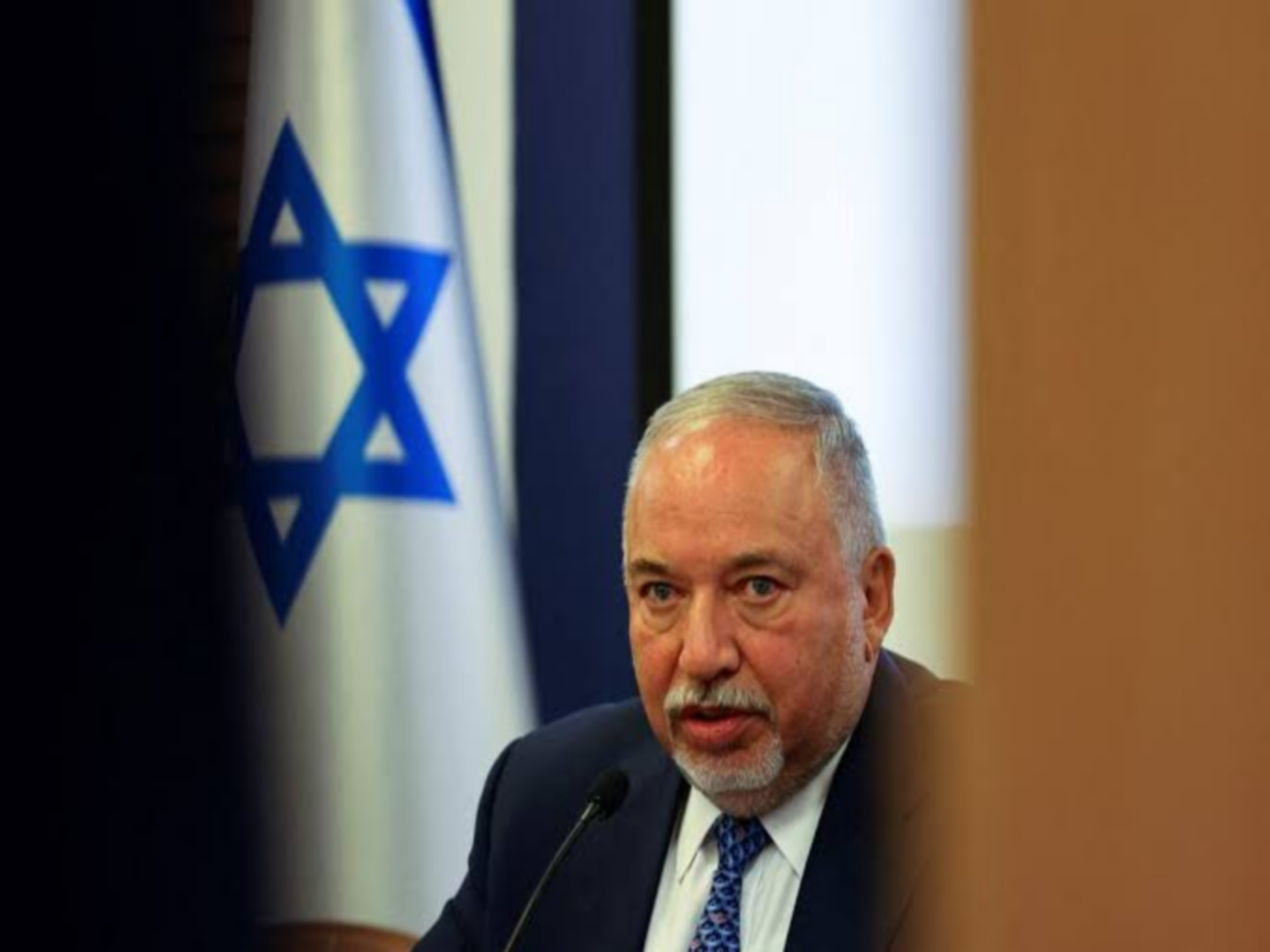
Government can be formed without Arab parties, must prevent another election: Israeli opposition leader Lieberman
Nov 03, 2026
Jerusalem [Israel], November 3 : Amid ongoing political deadlock and coalition negotiations following the recent legislative elections, Yisrael Beiteinu party leader Avigdor Lieberman has issued a firm stance on avoiding further electoral cycles, emphasising that a stable administration can be achieved without relying on Arab-led factions.
Taking to social media platform X, Lieberman stated, "We must prevent additional elections. In the political situation that has emerged, there is sufficient room for manoeuvre, and with proper navigation, it is possible to swiftly establish a functioning and stable government without Ra'am and the Joint List."
Adding to the post-election friction, Israeli Prime Minister Benjamin Netanyahu stated on Monday (local time) that he was open to forming a broad national government but ruled out an administration dependent on Arab-led parties. In a post on X, he declared that the Israeli public does not want a government relying on Ra'am and the Joint List, parties he accused of supporting terrorism and rejecting the existence of the Jewish state.
Claiming a mandate from the Jewish public after his Likud party emerged as the largest, Netanyahu maintained that his hand had been extended from day one to form a broad government with natural partners and any party willing to join without supporting terrorism, prompting opposition parties to intensify their own efforts to forge an alternative.
According to The Times of Israel, these opposition moves include Lieberman ruling out joining any coalition led by Netanyahu and announcing that his party would recommend Yashar leader Gadi Eisenkot to President Isaac Herzog to form the next government, while also supporting Opposition Leader Yair Lapid for the post of Knesset Speaker.
While candidly admitting that the broader opposition alliance fell short of expectations with 48 mandates and criticising Eisenkot's campaign as "egotistical", Lieberman's push aligns with former Prime Minister Naftali Bennett's B'Yachad faction, which has similarly backed Eisenkot's bid.
This friction unfolds against an election outcome in which the broader opposition bloc secured 67 seats against 53 for the incumbent coalition in the 120-member Knesset, though the opposition still faces formidable challenges in forming a government without relying on Arab-led parties.
As President Isaac Herzog urges political leaders to show flexibility and find solutions to prevent another election, he is scheduled to receive the official election results on November 4 before beginning consultations with representatives of political factions, ahead of the newly elected Knesset being sworn in on November 10.