Govt must plan early imports, crop support to contain Maharashtra drought impact: Experts
Sep 29, 2026
By P Madhu Kumar
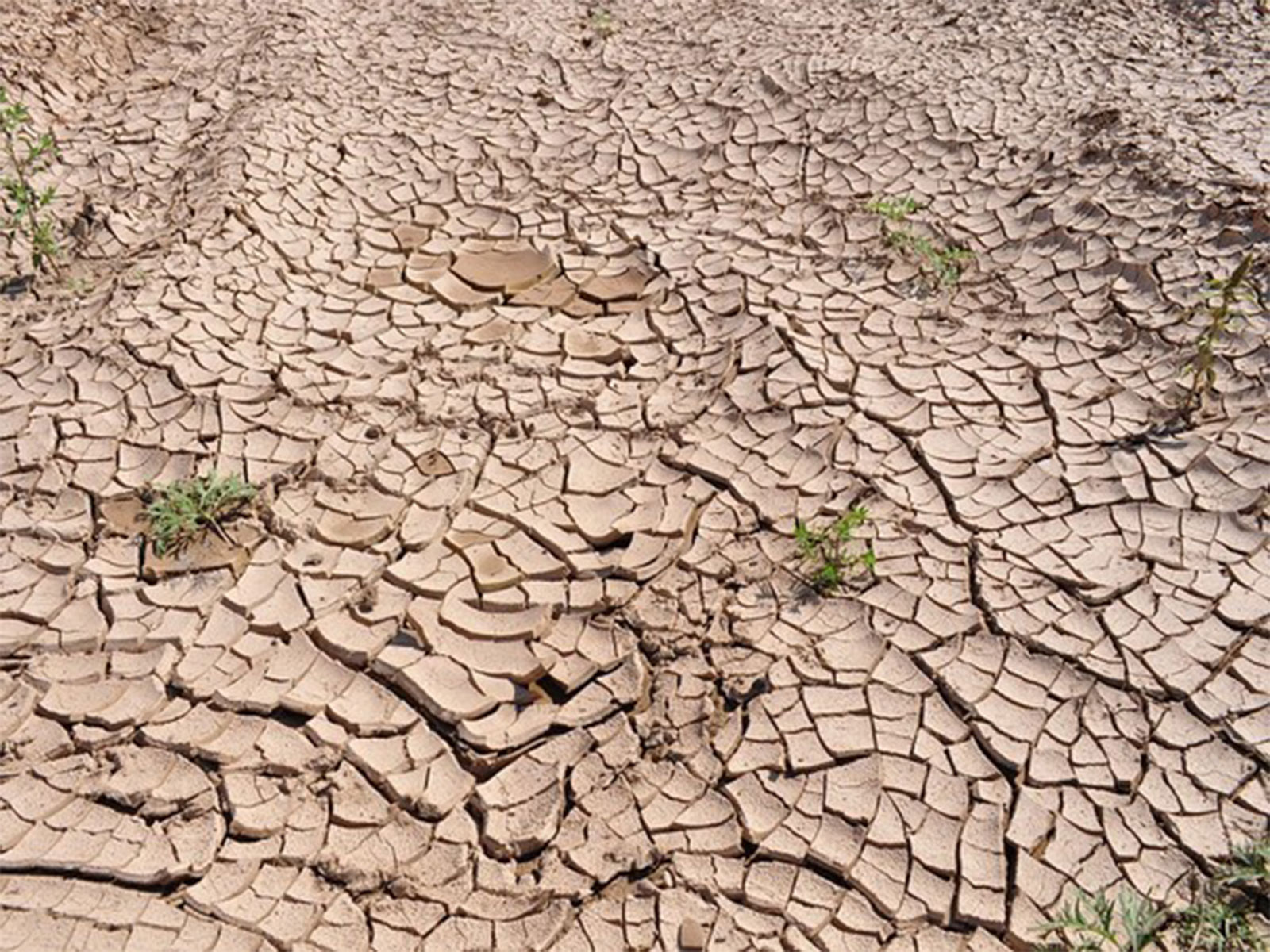
New Delhi [India], September 29 : Maharashtra's declaration of drought across 265 of its 358 taluks, covering roughly 74 per cent of the state's agricultural land, is expected to put pressure on crop production, food supplies and rural incomes, with experts warning that the impact could extend beyond the state to national markets.
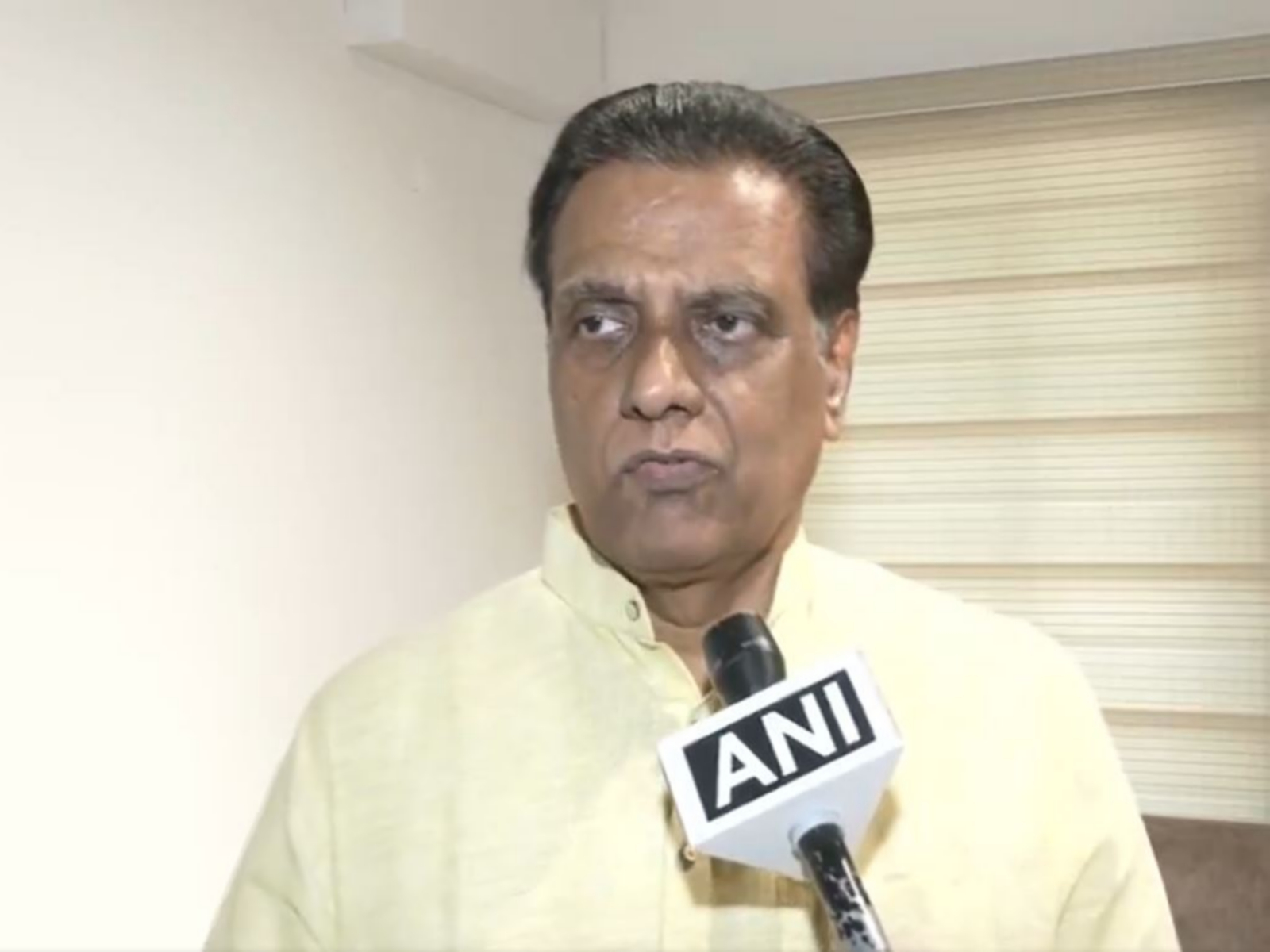
Agriculture economist G Chandrashekhar said Maharashtra's rainfall deficiency and drought-like conditions could significantly affect the state's Kharif output and, in turn, pull down national production of several key commodities.
"Maharashtra which is a significant contributor to our Kharif agriculture basket, this year is facing drought like condition and therefore it's going to pull down our national Kharif crop production numbers this year," Chandrashekhar said.
He said Maharashtra's production of sugarcane, soybean, cotton and pulses such as tur and urad is likely to decline. Sugarcane production in the state, which normally accounts for about 35 per cent of India's output, is expected to be substantially lower, while national sugarcane production could fall to around 440-450 million tonnes from approximately 500 million tonnes.
Maharashtra's soybean production, normally around 5-6 million tonnes, and cotton output of about 7.5-8 million bales are also expected to be affected, he said. Lower agricultural output could tighten fodder availability, raise feed and fodder prices and weaken rural demand.
Chandrashekhar expects the immediate price impact to remain relatively muted during October and November as harvesting and marketing take place, but said shortages could become more visible after December. "Shortages will manifest themselves two or three months after the harvest and the marketing of the crop and then the pressure. Price pressure will start building," he said.
However, he noted that continued imports of pulses and cotton could cushion some of the supply shock. The government has kept the import policy for pulses open until March 2027, while he expects cotton imports to exceed 7 million bales in 2026-27. He also expects higher edible oil imports amid weaker oilseed production.
Maharashtra is a key contributor to India’s production of several major crops. According to the government data, In 2024-25, the state produced 73.73 lakh bales of cotton, around 25 per cent of India’s total production of 297.24 lakh bales. Its sugarcane production rose to 1,316.49 lakh tonnes in 2025-26, from 1,099.70 lakh tonnes a year earlier.
Maharashtra is also a major soybean and pulse-producing state, while onion production is largely concentrated in Maharashtra, Madhya Pradesh and Gujarat.
Commodity expert, Vijay Sardana said the drought could have a wider economic impact because Maharashtra is important for several crops and industrial supply chains.
"Maharashtra is very peculiar in couple of crops if you see in onions which is always a story in India. So once onion area is under impact, chances are that prices of onions may go up," Sardana said, pointing to supply constraints and limited storage capacity.
He said sugarcane shortages could create a dual challenge for sugar supplies and ethanol production, while lower maize output could affect poultry feed and ethanol. Reduced soybean and pulse production could add to inflationary pressure, the import bill and trade deficit.
Sardana said the government should begin contingency planning rather than wait for shortages to become acute. "Government of India should start planning contingency that if farmers move from water conservative crops, do we have seeds to offer to the farmers?" he said.
He also called for early assessment of crop shortages and advance import planning for essential commodities. "If there's situation, the data with the government of India says, if situation is comfortable then it's okay. If they become very critical, they should plan imports right now instead of waiting for the crisis," Sardana said.
He further suggested that the government consider hedging international commodity purchases to manage the risk of higher global prices if India's supply position deteriorates.
Both experts also flagged the risk of continued weather stress affecting the next cropping season, making timely government intervention, contingency seed planning, supply monitoring and advance procurement important to contain the broader economic impact of Maharashtra's drought.