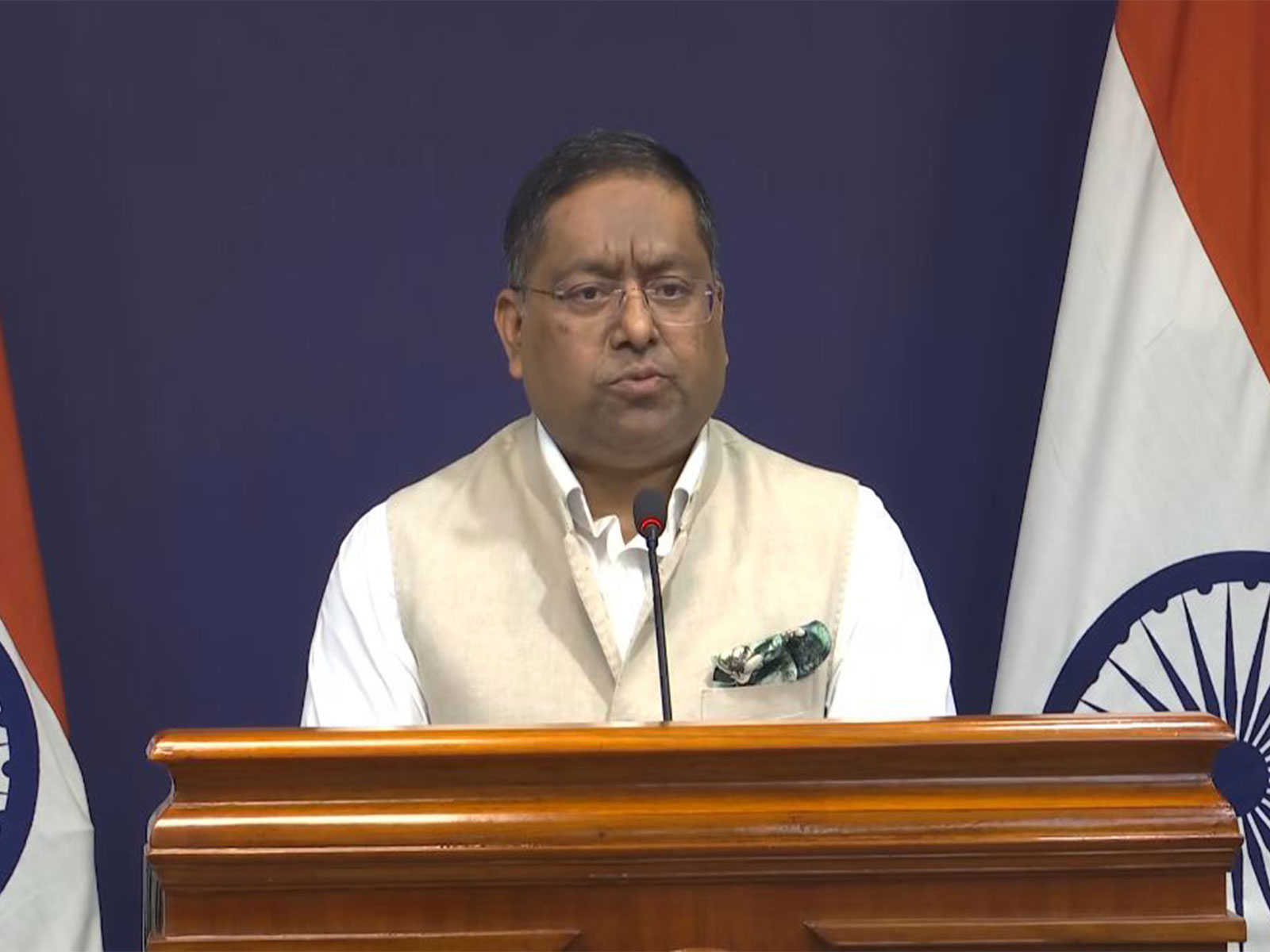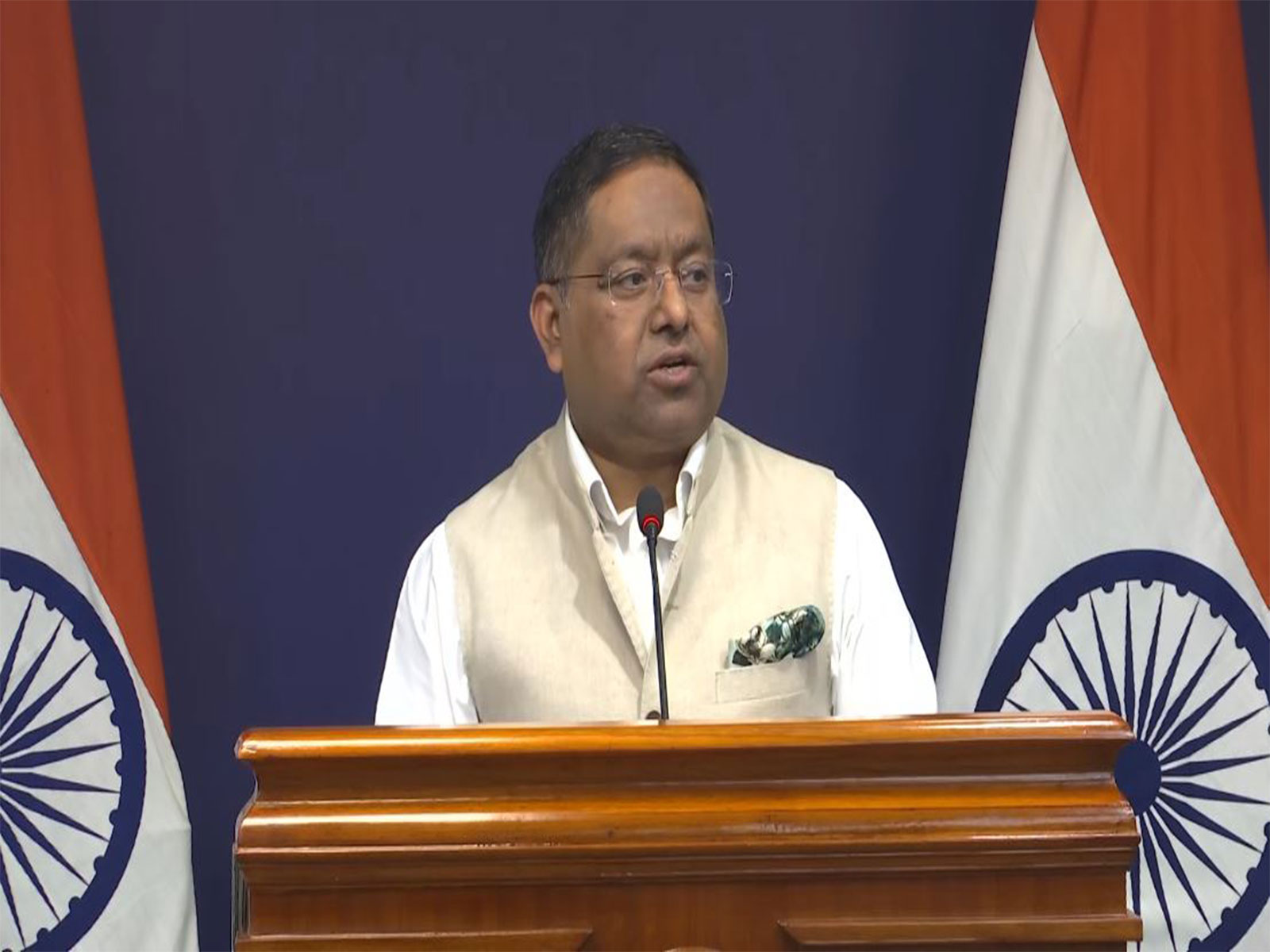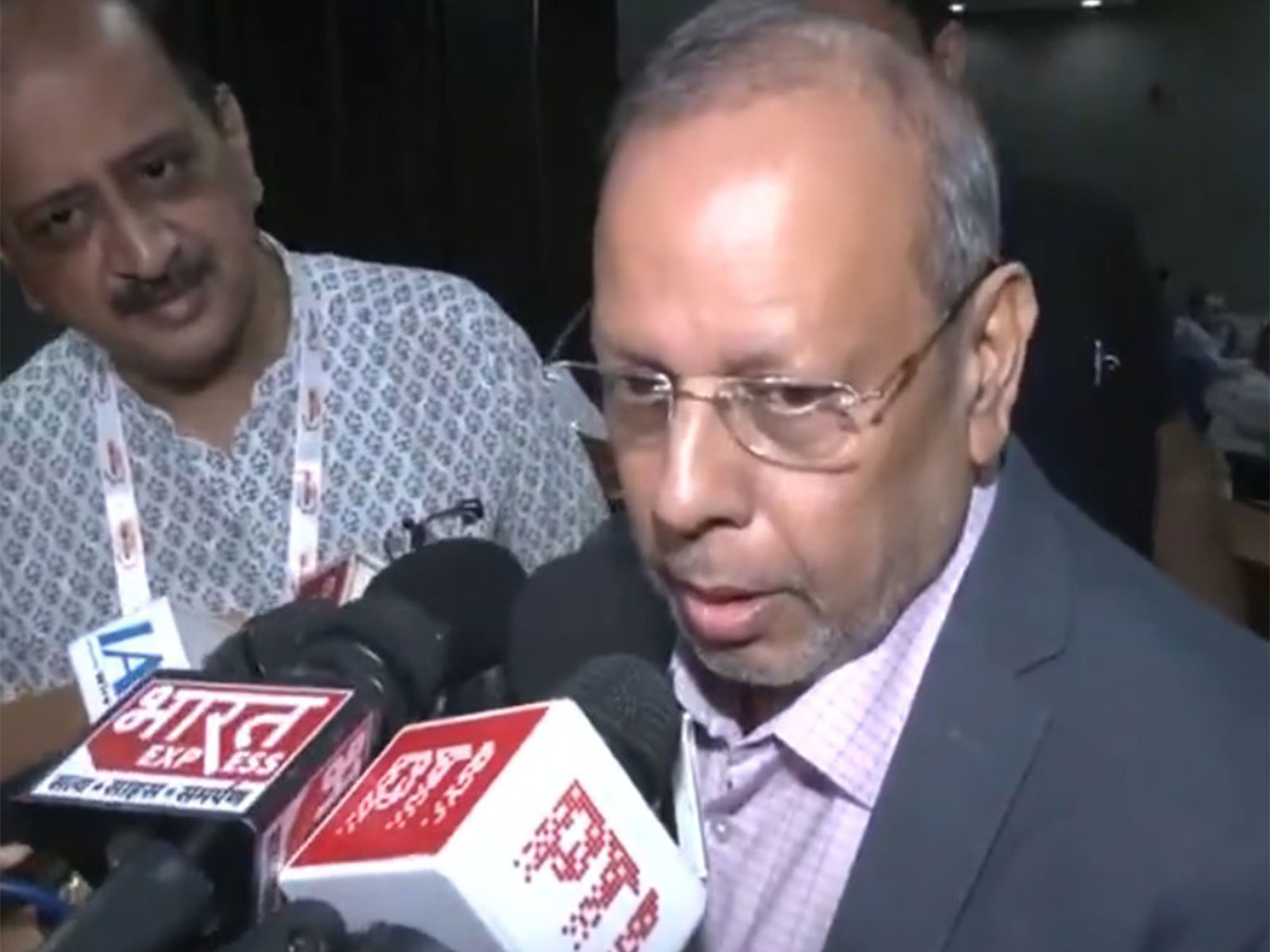
Govt prepared for global shocks, focus on Atmanirbhar Bharat: EAC-PM member S Mahendra Dev
Jun 23, 2026
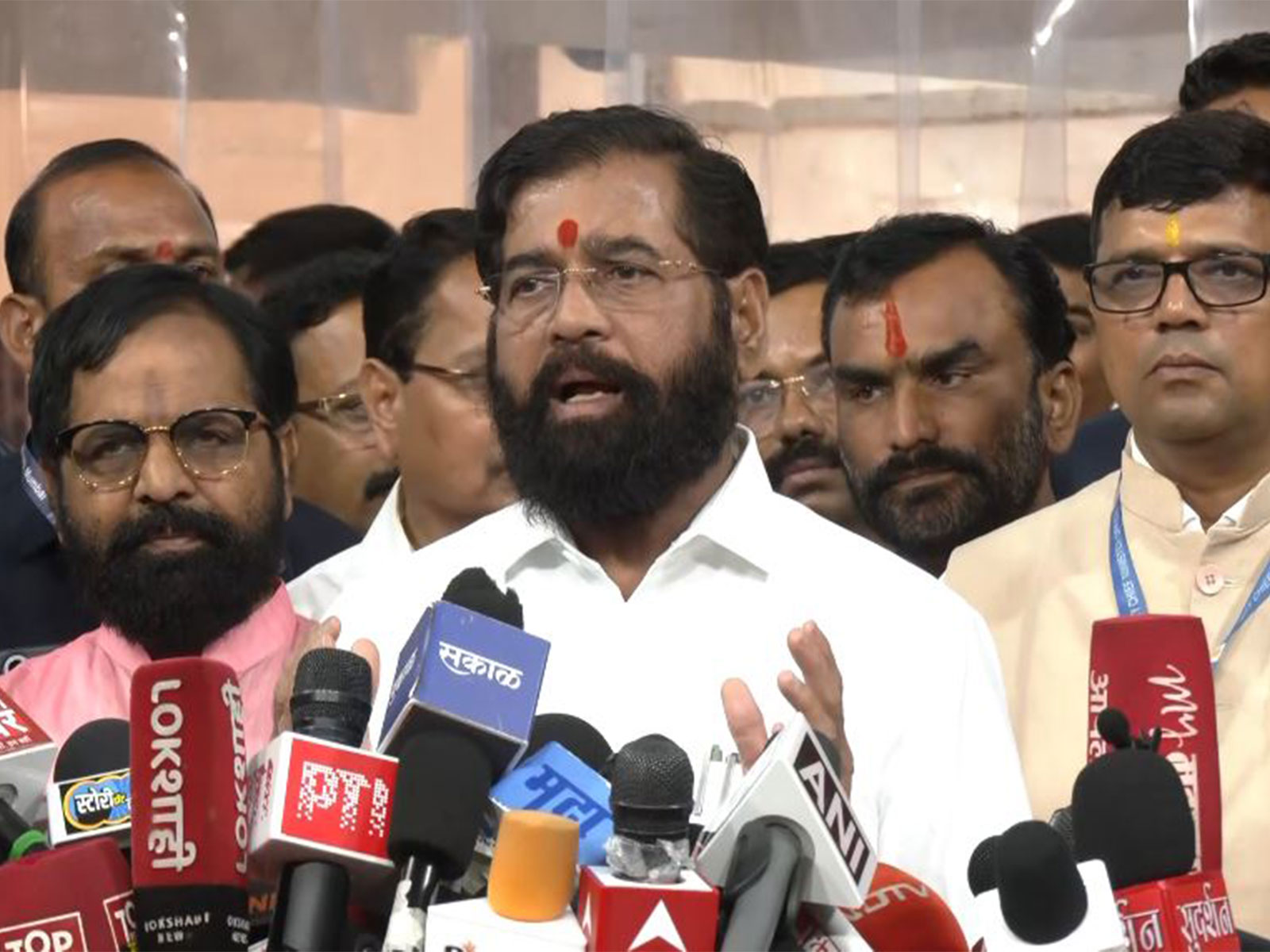
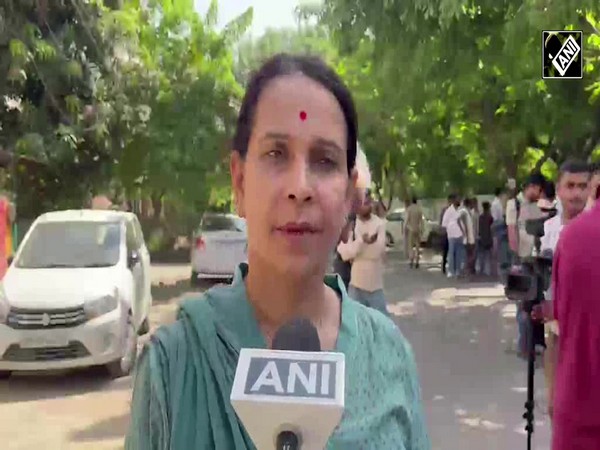
New Delhi [India], June 23 : Member of the Economic Advisory Council to the Prime Minister, S Mahendra Dev, on Tuesday highlighted India's preparedness to handle economic and geopolitical shocks, the importance of investment-led growth, and the need for diversification in agriculture and trade, while speaking at the India Innovative Crop Nutrition Conclave 2026.
Speaking on macroeconomic resilience and climate-related risks such as El Nino, he said the government has been putting in place structured planning mechanisms at the district level.
He said, "The government has contingency plans. For each district, we have plans for crop diversification and other things. So that way, I think we are prepared for the El Nino. We need 7 to 8% growth for Viksit Bharat, and we need investment for that. So, private sector investment is equally important, and export growth is also important. The Prime Minister has mentioned Atmanirbhar Bharat. That is equally important. We have done many reforms over the years, and that will continue in the years to come. So the Atmanirbhar Bharat doesn't mean import substitution. But we are basically saying that the competition should increase and the quality of the products, so that we can export more. Also, we have demographic advantage and technology improvement skills. So all these things will lead to Viksit Bharat by 2047..."
On India's ability to absorb external shocks, including geopolitical tensions and disruptions in global supply chains, he stressed that policy preparedness has improved significantly in recent years.
He said, "The government has emergency plans from COVID onwards. So we can probably withstand all these shocks, and shocks will be there in future also. So that's why Atmanirbhar Bharat is important. We are also doing 100 items of imports that India can produce domestically. We have plans and reforms, ease of doing business, ease of living, all these things, the government is doing successfully in the last few years..."
On agriculture inputs, fertiliser pricing, and inflation management, he said the government is also encouraging alternative and sustainable farming practices.
He said, "As mentioned in the conclave also, we have to make alternative things also, such as organic, natural farming. Recently, urea prices have come down from $900 to $450. So subsidy will be less..."
He also noted that India currently has sufficient food stocks, particularly pulses, which are expected to help keep inflation under control despite global uncertainties.
He said, "We have enough pulse stocks. So inflation may not increase greatly. But overall, because of the West Asia War and also a little bit of El-Nino, I think I agree with the RBA projections of 6.6% growth and also 5.1% inflation... We have diversified imports due to the West Asia crisis..."
The EAC-PM member further underlined that sustained reforms, demographic advantage, technology upgradation, and export competitiveness will be key drivers in achieving the long-term vision of a developed India by 2047.