‘He prioritised financial benefits over lives of students’: Delhi Court denies bail to PG operator in Satya Niketan building collapse case
Nov 23, 2026
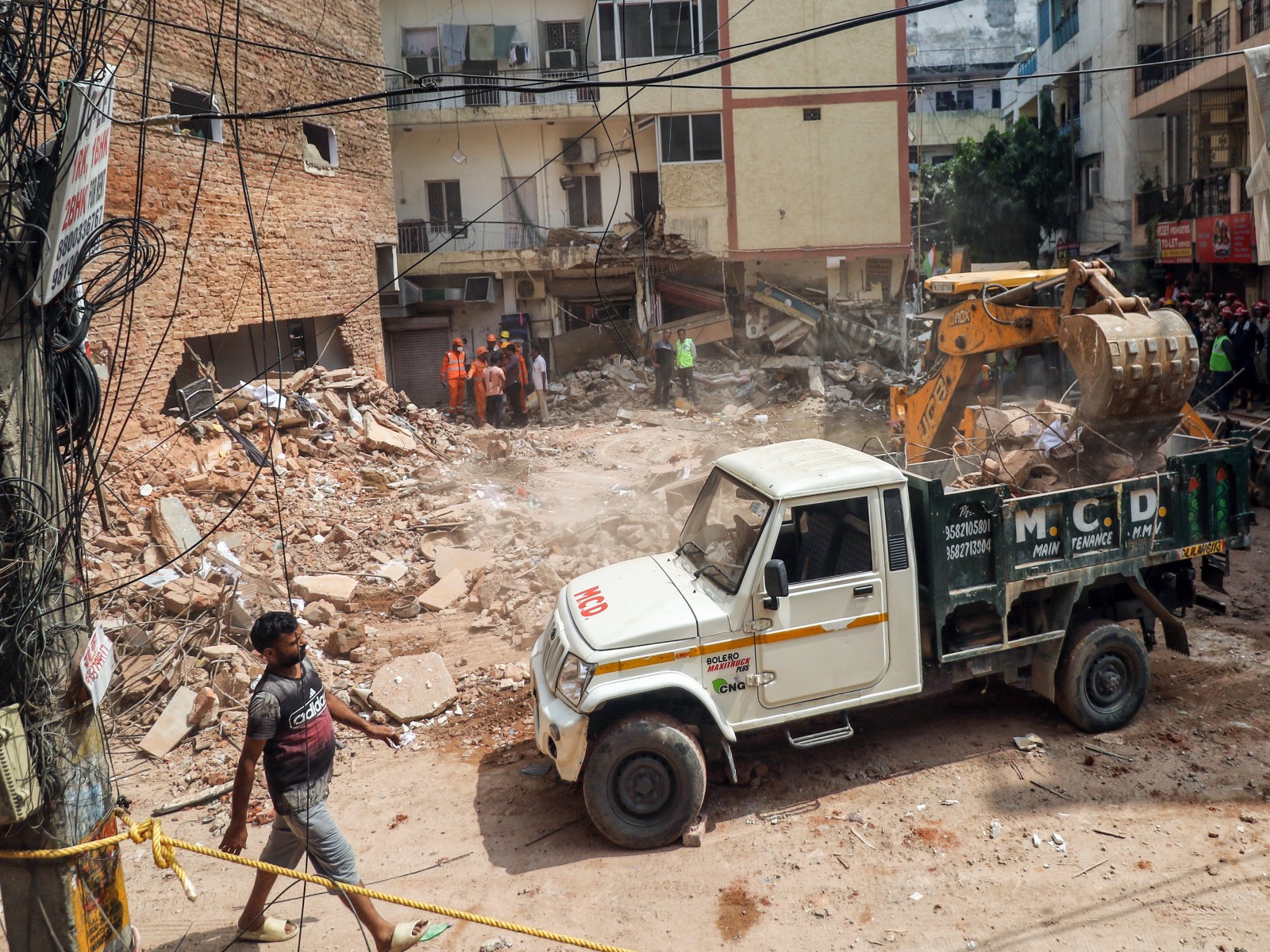
New Delhi [India], November 23 : A Delhi court has denied regular bail to Shubham Tyagi, one of the operators of the paying guest (PG) accommodation where a building collapsed in Delhi’s Satya Niketan area in September, killing seven people, including five students and two labourers.
The court observed that Tyagi could have foreseen the danger arising from the ongoing construction activities but “prioritised his financial benefits above the life and safety of innocent students/labours”.
Additional Sessions Judge Dhirendra Rana, while rejecting his bail application on November 23, observed that Tyagi was in occupation and control of the property and was duty-bound to ensure the safety of the students staying there, even if the construction work was not being carried out under his instructions.
The court said that if the construction work was not under his control, he was duty-bound to get the premises vacated until the work was completed. He was also required to inform the students about the potential danger arising from the ongoing construction activities.
The court noted that Tyagi, along with co-accused Sudhanshu Lovenish Kumar, had taken the building on rent from its owners through a rent agreement executed on September 6, 2025, and subsequently started running a boys’ PG accommodation under the name ‘Hostel Daze’.
It observed that the accused persons had started operating the PG without properly verifying the structural safety and design of the building. They allegedly failed to take appropriate precautions despite construction and structural alteration work being carried out at the premises.
The court also took note of the statement of an injured student, Nitish Chhib, who told investigators that construction work had been going on in the basement for around 10-12 days before the building collapsed.
According to his statement, when he and other students complained about the noise and raised objections to the construction work, Tyagi and his co-accused told them that renovation work was being carried out in the basement. The student further alleged that they were threatened with having to vacate the PG if they continued objecting to the work.
The court observed that the construction work continued despite complaints from the students and that proper maintenance of the building was not being carried out.
Rejecting the defence argument that Tyagi was not responsible for the construction work, the court observed that he was in occupation and control of the premises after executing the rent agreement with the co-accused.
The judge further observed that Tyagi was a qualified legal professional and was aware of the laws and rules governing the operation of a PG accommodation but allegedly failed to follow them.
“Since accused was duly aware about the law of land then it is to be presumed that he comprised the safety of the building and its occupants in utter violation of law,” the court observed.
The court also took judicial notice of the fact that human lives are frequently lost due to building collapses resulting from illegal construction activities.
It observed that the grant of bail requires the court to balance the personal liberty of an accused against the larger interest of society.
“The accused persons, who are responsible for the loss of 7 valuable lives, are not entitled for the benefit of discretion and such incidents must be dealt with by the courts of law with an iron hand,” the court observed.
It further said that the court could not turn a blind eye to the fact that seven valuable lives had been lost and that the impact of their deaths would remain everlasting on their families.
The court also considered that the trial was at an initial stage and public witnesses were yet to be examined. It expressed apprehension that Tyagi might threaten the witnesses if released on bail.
Tyagi had approached the court seeking regular bail, arguing that he had been falsely implicated and had remained in judicial custody since September 11.
His counsel submitted that he was merely a tenant of the second and third floors of the building and had no authority under the rent agreement to undertake structural alterations or modifications to the property.
The defence also argued that the investigation had been completed and the chargesheet filed, and therefore, his continued custody would serve no useful purpose.
Opposing the plea, the prosecution alleged that the building had undergone additional construction and structural modifications without obtaining permission from the competent authorities. The preliminary investigation indicated that the alterations increased the load on the existing structure and affected its load-bearing capacity.
The prosecution further alleged that the building owners and their family members had jointly commenced construction and repair work around 10-12 days before the incident without obtaining the necessary approvals. It was also alleged that an unqualified contractor was engaged for the work and no opinion of a qualified architect or structural expert was obtained.
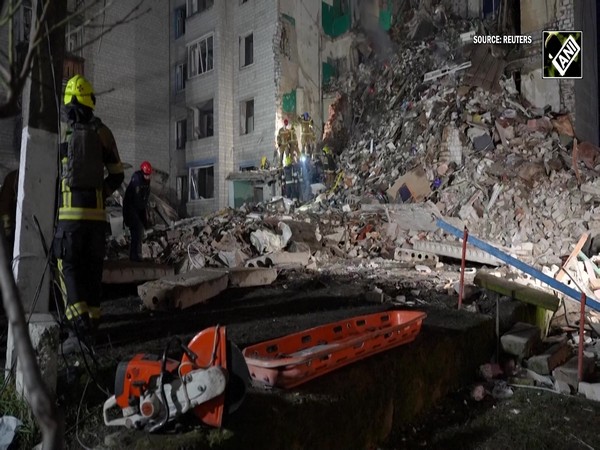
The building collapsed on September 6. According to the prosecution, 12 persons were rescued from the debris, of whom seven were declared dead, while five others sustained injuries.
The case was registered at South Campus police station under Sections 105, 290, 125(a), 115(2), 324(2)(4) and 3(5) of the Bharatiya Nyaya Sanhita (BNS).
The court clarified that its observations in the bail order would not be treated as an expression of opinion on the merits of the case.