High crude prices could force fuel price hikes, push RBI towards rate increases: Kotak Securities’ Anindya Banerjee.”
Sep 15, 2026
Mumbai (Maharashtra) [India], September 15 : Sustained high crude oil prices could significantly raise pressure on India’s economy by increasing the country’s import bill, weakening the rupee, pushing up inflation and eventually forcing an increase in retail fuel prices, while potentially putting the Reserve Bank of India (RBI) on a rate-hike path, according to Anindya Banerjee, Head of Equity Research at Kotak Securities.
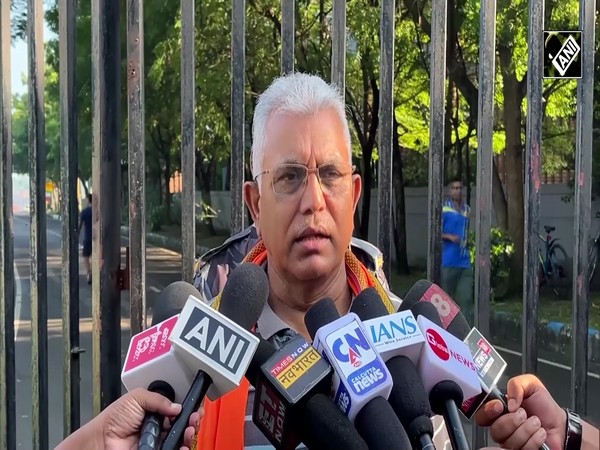
Speaking to ANI in an exclusive interview on Monday, Banerjee said elevated crude prices could increasingly constrain the ability of oil marketing companies (OMCs) and the government to absorb higher costs without passing some of the burden on to consumers.
With Brent crude hovering around USD 106 per barrel, he said a sustained rise in oil prices, particularly towards USD 120 per barrel, could make an increase in retail petrol and diesel prices difficult to avoid.
"If oil prices continue to rise, this will definitely put pressure for a fuel price hike eventually," Banerjee said.
He noted that the impact of higher crude prices is generally absorbed through oil marketing companies, adjustments in excise duties and industrial consumers before costs are passed on to households. However, prolonged elevated prices could limit this cushion, particularly amid supply disruptions and geopolitical risks around the Red Sea, West Asia and the Black Sea.
"If this continues, the government will have no choice but to do some kind of a hike even at the pump level," he said.
The impact of expensive crude could be compounded by weakness in the Indian rupee, which has moved past 95.80 against the US dollar. Since India depends heavily on imported crude oil, a weaker rupee raises the domestic cost of oil purchases and adds to imported inflation.
Banerjee said the RBI is likely to manage the pace of currency depreciation, with the 96 level against the US dollar emerging as an important threshold for intervention.
"Anything above 96, the RBI gets involved... They have the wherewithal with foreign exchange reserves close to $800 billion now to intervene aggressively, but they won't do it if oil prices continue to spike. They will simply slow down the pace of depreciation," he said.
The combination of elevated crude prices and a weaker rupee could also complicate the inflation outlook and alter expectations for monetary policy. With Consumer Price Index (CPI) inflation crossing 5.5 per cent, Banerjee ruled out the possibility of interest rate cuts in FY27 and said persistent global commodity inflation could eventually increase pressure on the RBI to raise rates.
"Cuts are out of the question now," Banerjee said.
He said unfavourable base effects could persist through March, potentially keeping CPI inflation close to or above 6 per cent. Higher crude prices could also generate second- and third-round inflationary effects as increased fuel and transportation costs filter through to prices of other goods and services.
The resulting imported inflation could squeeze urban household budgets over the next two quarters, including during the festival season. While the correction in gold prices from earlier highs could provide some relief to discretionary spending, higher prices of essential imported commodities remain a risk.
Banerjee said crude oil would remain a key driver of both global and domestic markets in the coming months. Unless geopolitical tensions ease and energy prices retreat, elevated crude could continue to weigh on India through higher inflation, currency pressure, tighter monetary conditions and weaker equity market sentiment.