"Huge blow to Trump": Experts attribute historic GOP midterm defeat to inflation, Iran war
Nov 04, 2026
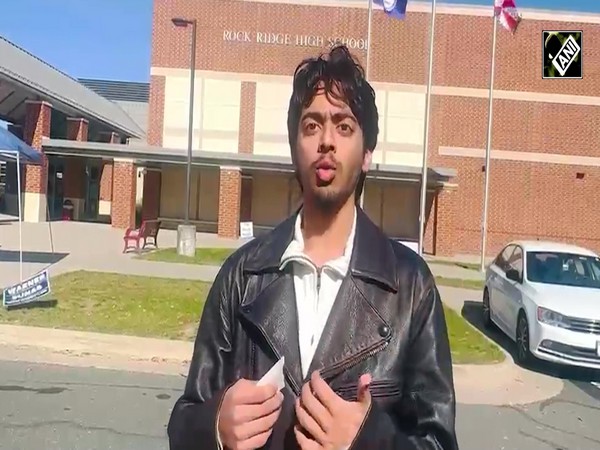
New Delhi [India], November 4 : Veteran diplomats are analysing the historic midterm election defeat of President Donald Trump and the Republican Party, attributing the severe voter backlash to mounting economic hardship, contentious foreign policies, and aggressive responses to domestic protests.
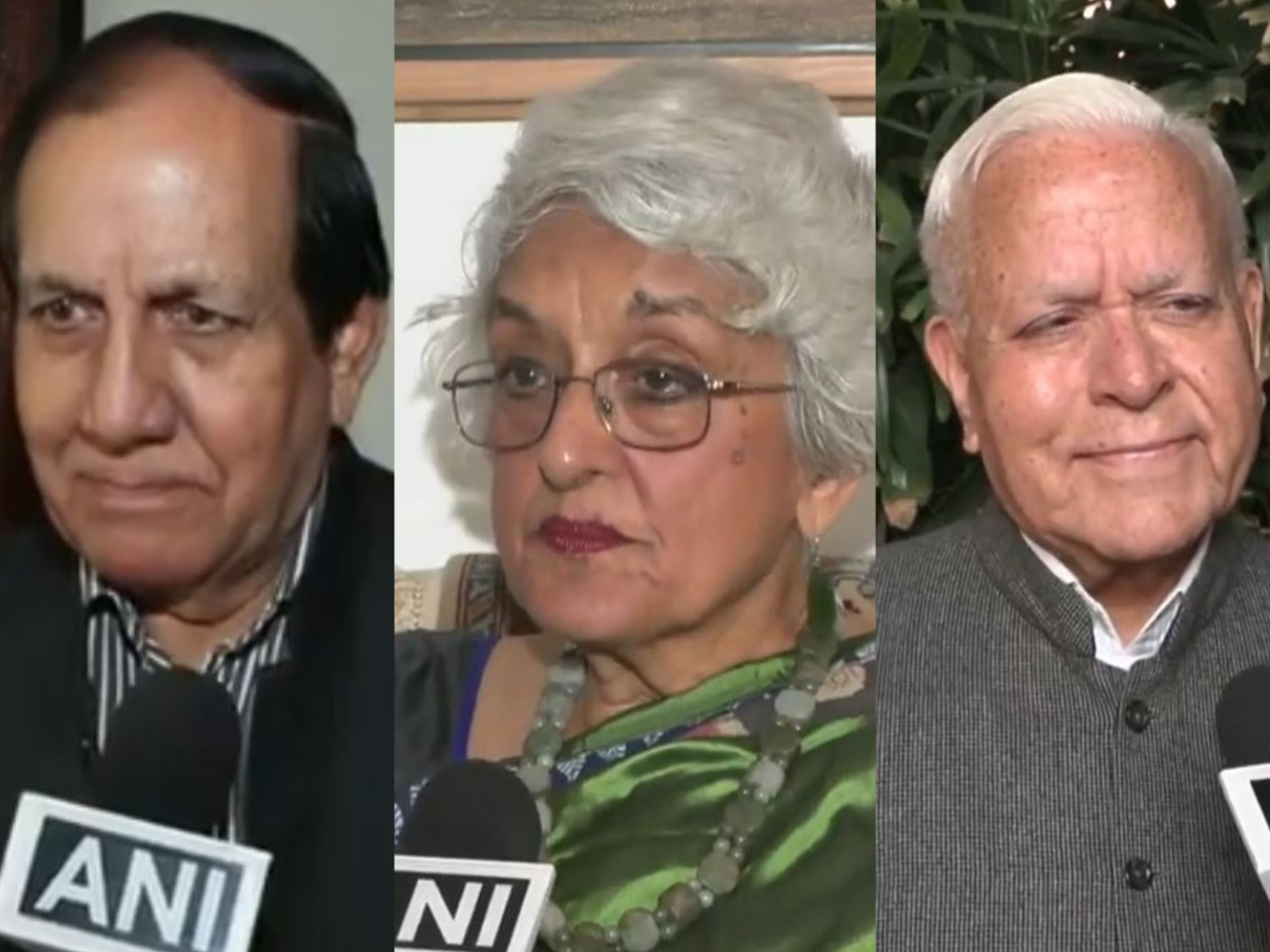
Former senior diplomat Ashok Sajjanhar characterised the Democratic sweep of Congress as a historic blow to the sitting administration.
"Democrats were always expected to do well, but this is historic. I don't think there was such a result except for the midterms that took place during Clinton's term," Sajjanhar noted. "This is a huge blow to Donald Trump because across the board, the people seem to have gone against him."
Former diplomat Veena Sikri identified the skyrocketing cost of living and Washington's foreign entanglements as central factors driving voter dissatisfaction.
"This represents a stern verdict from the public against President Trump’s policies," Sikri stated. "Two primary issues were at play: the cost of living (inflation) and the economy, followed by the war involving Iran."
Sikri observed that public support had hit historic lows prior to the election, with approval ratings plummeting alongside minimal backing for military action.
"On issues like the war involving Iran, only about 22 per cent of the public expressed support," she explained. "These issues—fuel prices and inflation—are directly linked to the war involving Iran, which has compromised energy security and reduced the availability of energy resources."
She added that global trade policies exacerbated the domestic economic burden.
"Furthermore, I believe the use of tariffs (import duties) as a weapon has also been a major factor," Sikri said. "Although these tariffs were imposed on foreign nations, they backfired on the United States, as it was ultimately the Americans who had to bear the cost of these higher tariffs," she added.
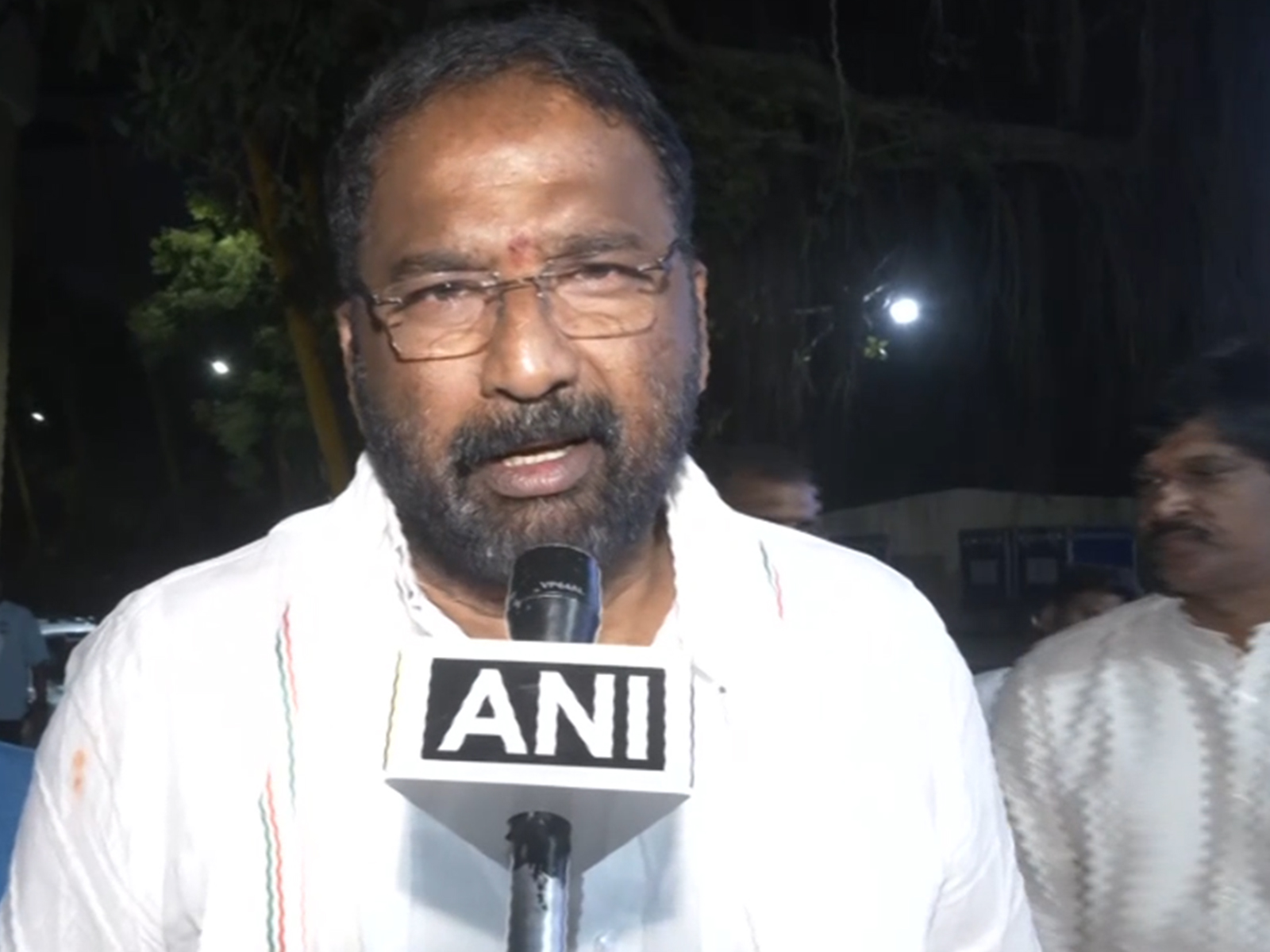
Former senior diplomat Surendra Kumar emphasised that voters reacted to direct financial strain and heavy-handed enforcement tactics at home, pointing specifically to the administration's crackdown on university demonstrations.
"The costs of diesel, groceries, general inflation, and home mortgages have all risen. The cost of living has increased. If one were to argue that these factors had no effect, then why would people be casting their votes the way they did?" Kumar asked.
Kumar highlighted that the administration's stance distanced previous supporters and created widespread friction across college campuses.
"Additionally, he—or rather, his policies—alienated many individuals who had supported him in the previous election but chose not to do so this time around," Kumar added. "A significant reason for this may well be what we witnessed at various universities, such as Columbia and Harvard, where harsh measures were employed to suppress student protests."
Closing his analysis, Kumar offered a broader warning to political leaders regarding governance and executive authority.
"There is, therefore, a message here for the ruling class, the electorate, and the general public: one must remain attuned to the sentiments of people at the grassroots level," he concluded. "If you choose to ignore public opinion and forcibly impose your own policies and decisions, you will not get very far."
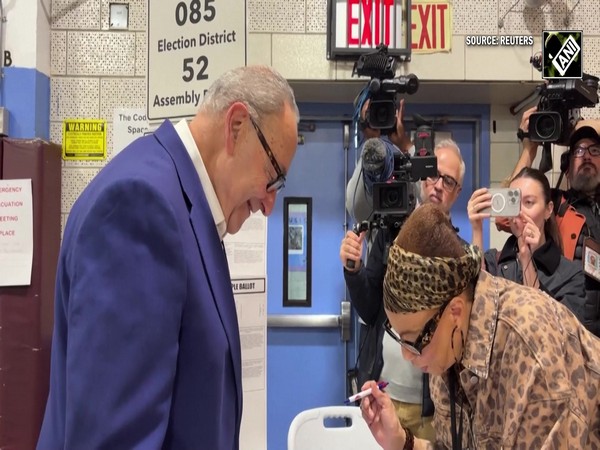
This comes amid a broader Democratic resurgence in the 2026 midterm elections, with US networks projecting that the party will reclaim control of both chambers of Congress, significantly shifting the balance of power in Washington.
A Democratic majority in the House would allow the party to intensify congressional scrutiny of President Donald Trump's administration through investigations and hearings. Control of the Senate would also give Democrats greater influence over legislation and presidential nominations.