Human Rights Advocate warns China could use AI deepfakes to coerce Taiwanese youth at exchange camps
Aug 03, 2026
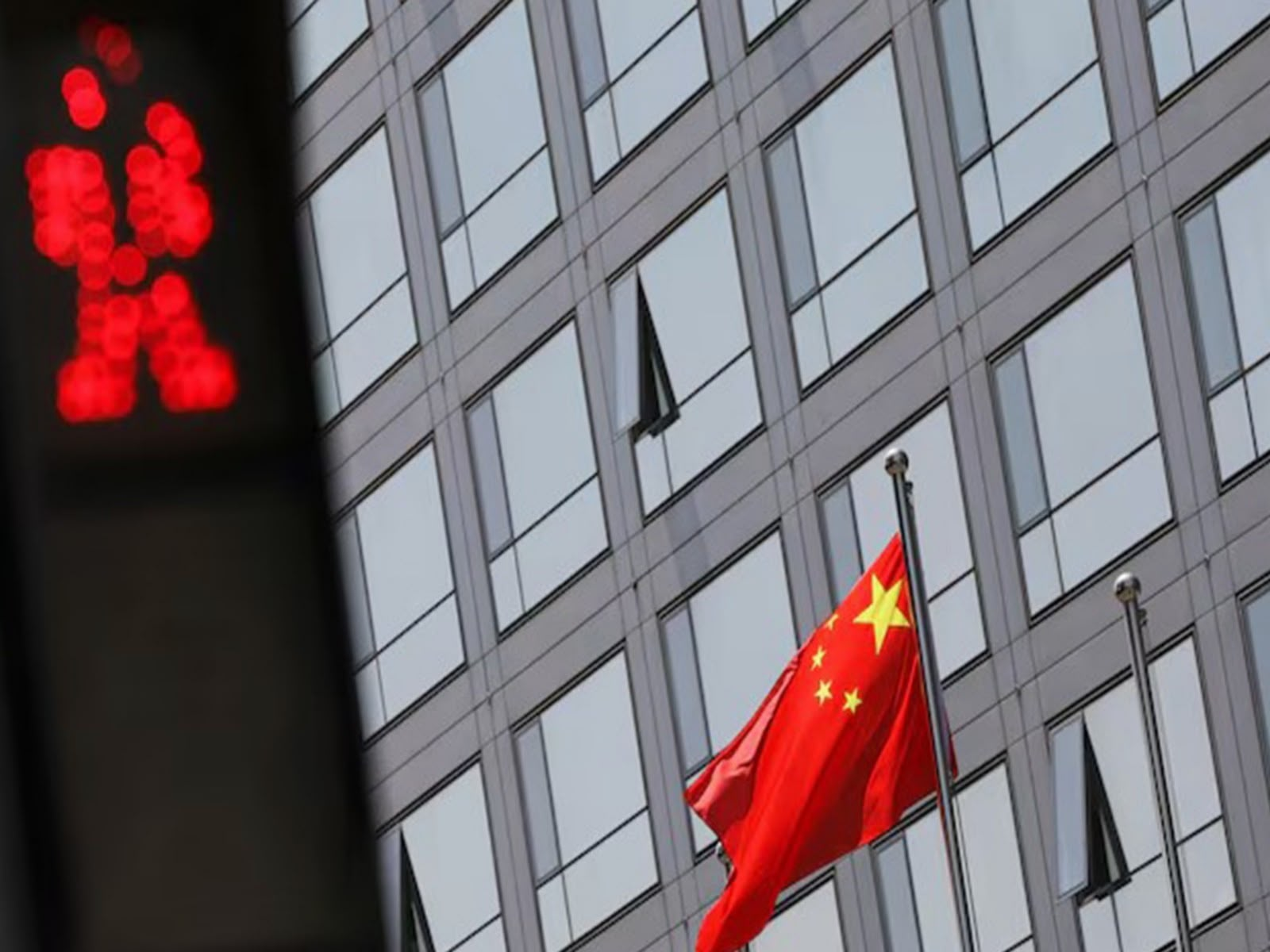
Taipei [Taiwan], August 3 : A human rights advocate has warned that a youth camp organised by China for Taiwanese students could use artificial intelligence (AI) deepfake technology to blackmail participants into cooperating with Beijing's "united front" activities, according to a report by the Taipei Times.
China is organising summer camps for young people from Taiwan, offering inexpensive food, hotel accommodation and transportation, sources said. One such programme, the "Chinese Culture Study Camp," scheduled to take place early this month, is providing an eight-day, seven-night tour of Chengdu, Dujiangyan, Meishan and Yibin in Sichuan Province for Taiwanese university students, the sources said, as cited by the Taipei Times.
The registration fee has been set at NT$5,900 for first-time participants and NT$2,900 for those who have attended previously. Sources said these prices are unrealistically low considering the travel itinerary and associated costs. The programme includes an opening ceremony at the Sichuan Celebrity Museum, which is administered by the Publicity Department of the Chinese Communist Party's Sichuan Provincial Committee.
The museum states that it operates under the guidance of Chinese President Xi Jinping Thought on Socialism with Chinese Characteristics for a New Era and is committed to promoting Chinese cultural heritage and prominent historical figures from Sichuan. According to the itinerary, participants will also visit the Chengdu Research Base of Giant Panda Breeding, the Dujiangyan Irrigation System and the Jinsha Site Museum.
Human rights advocate Lee Ming-che said the primary aim of such exchange programmes is to cultivate a sense of identification with China among young Taiwanese. Lee was detained in China in 2017 on allegations of "harming China's national security" and returned to Taiwan in 2022 after completing a five-year prison sentence on charges of "subversion of state power."
Lee said Chinese organisers frequently gather participants' contact details, enabling them to directly distribute fake news and propaganda to Taiwanese audiences. He warned that the biggest danger of joining these trips is that Chinese authorities could create AI-generated deepfake videos falsely showing participants visiting inappropriate locations or soliciting prostitutes, and then use such fabricated material to pressure them into becoming collaborators for China after they return to Taiwan.
According to Lee, these programmes are not legitimate civilian exchanges but are instead "united front" operations that could leave young Taiwanese vulnerable to pressure and coercion from Chinese authorities, the Taipei Times reported.