India has shielded fuel supply through crude diversification amid Hormuz turmoil: S&P Global Energy official
May 07, 2026
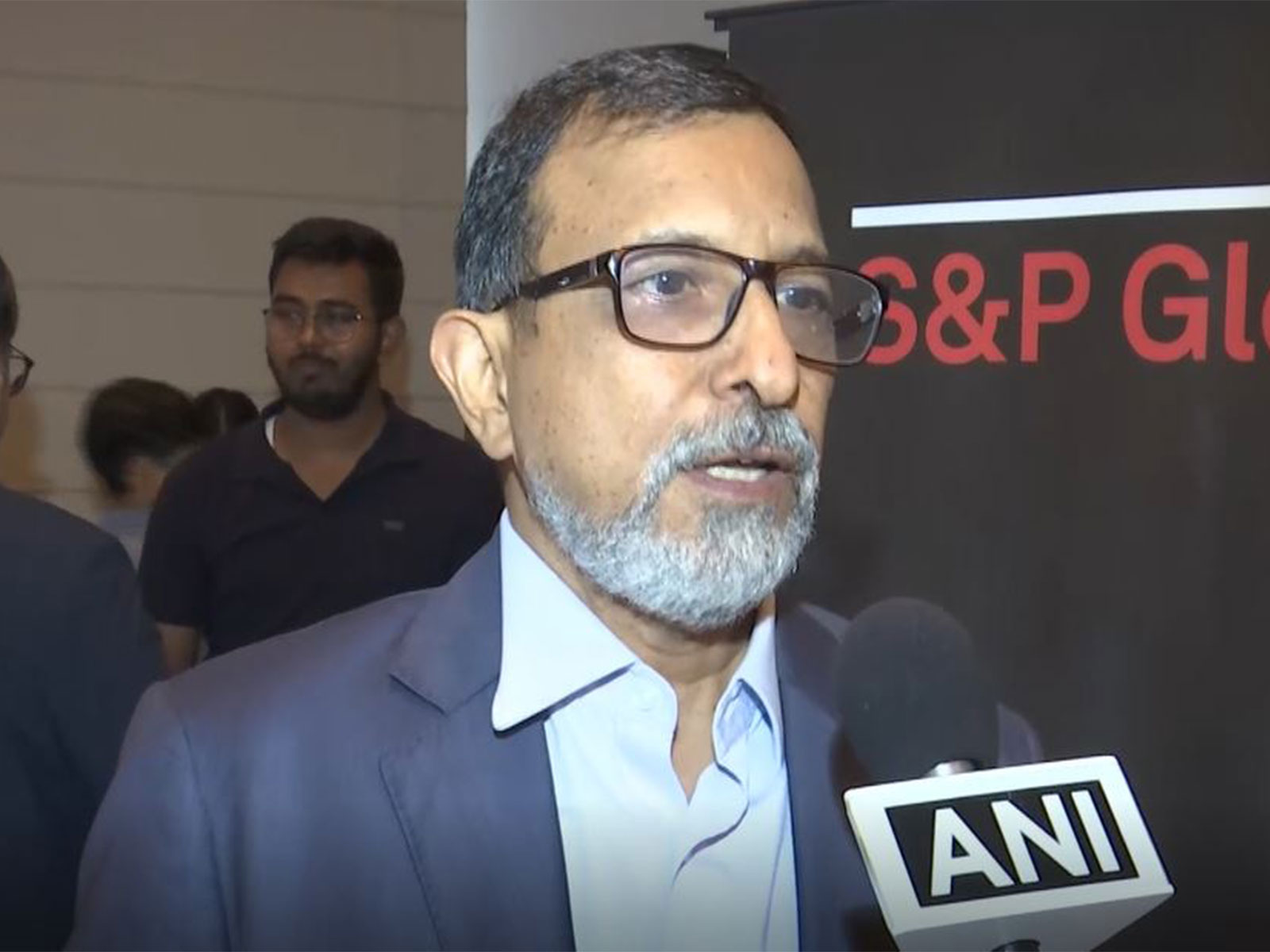
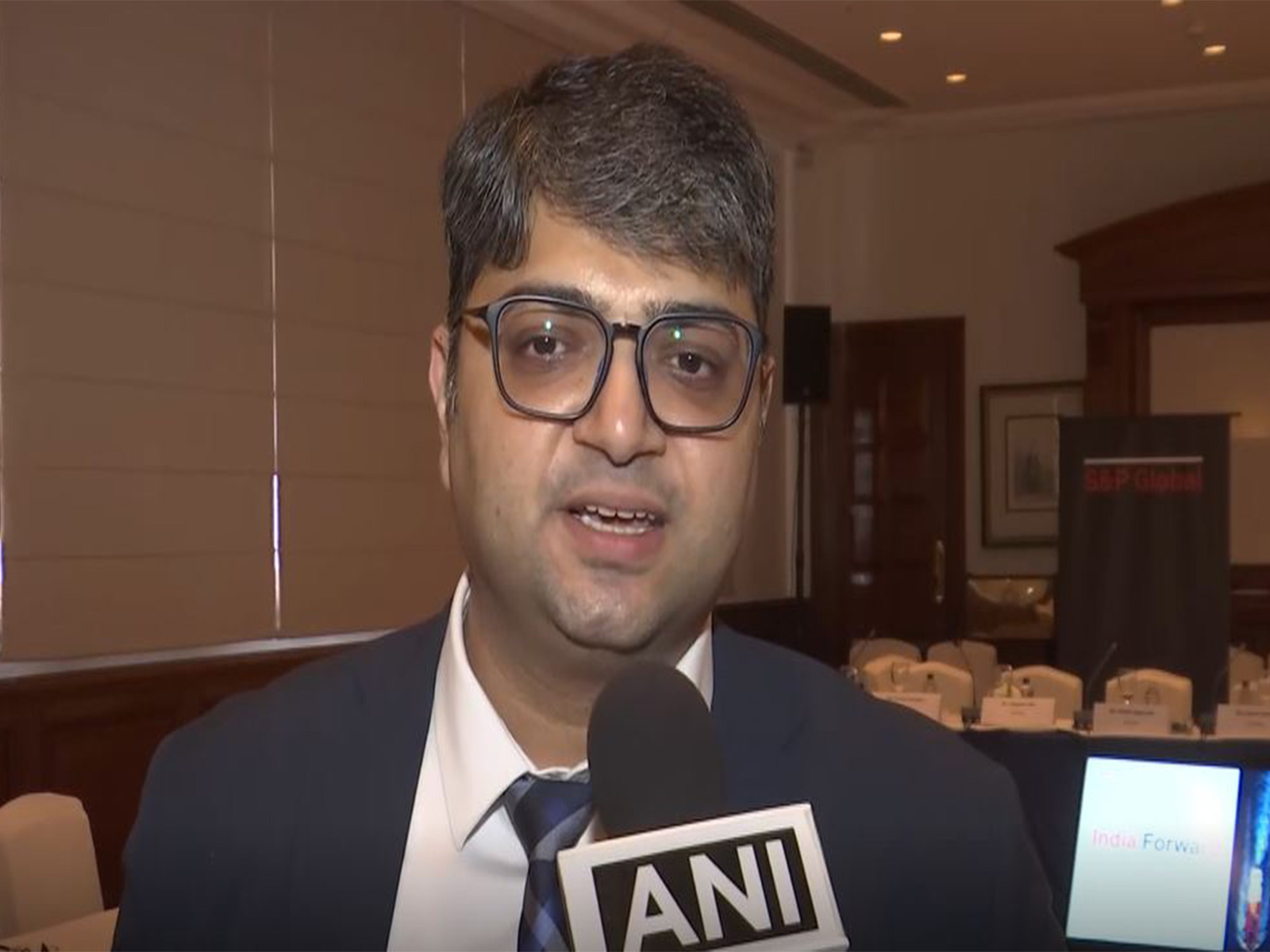
New Delhi [India], May 7 : India's refinery operations continue to remain "robust" despite disruptions in global energy markets due to the Strait of Hormuz crisis, with the country diversifying crude purchases and increasing imports from multiple sources, Pulkit Agarwal, Head of India Content at S&P Global Energy, has said.
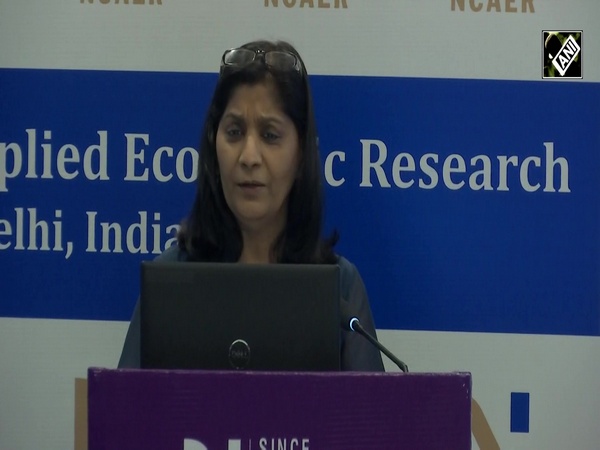
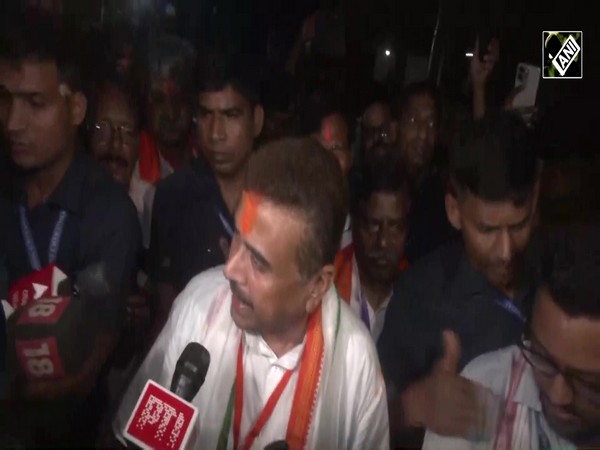
Speaking on the sidelines of an event organised by the S&P Global India Research Chapter, Agarwal said India's energy system has been under pressure due to developments in West Asia, but the country has managed to keep domestic fuel supplies running smoothly.
"What we have seen happen over the past two months is India really diversified its own energy buying. India bought a lot of Russian oil that was floating around, that was the first thing that India did," Agarwal told ANI.
"And then India really went out in the market and started buying oil really from all kinds of sources that were available to buy. And that has kept the refining system running," he added.
He said India's refinery run rates continue to remain at "a very robust level", helping meet domestic fuel demand despite turbulence in global oil flows.
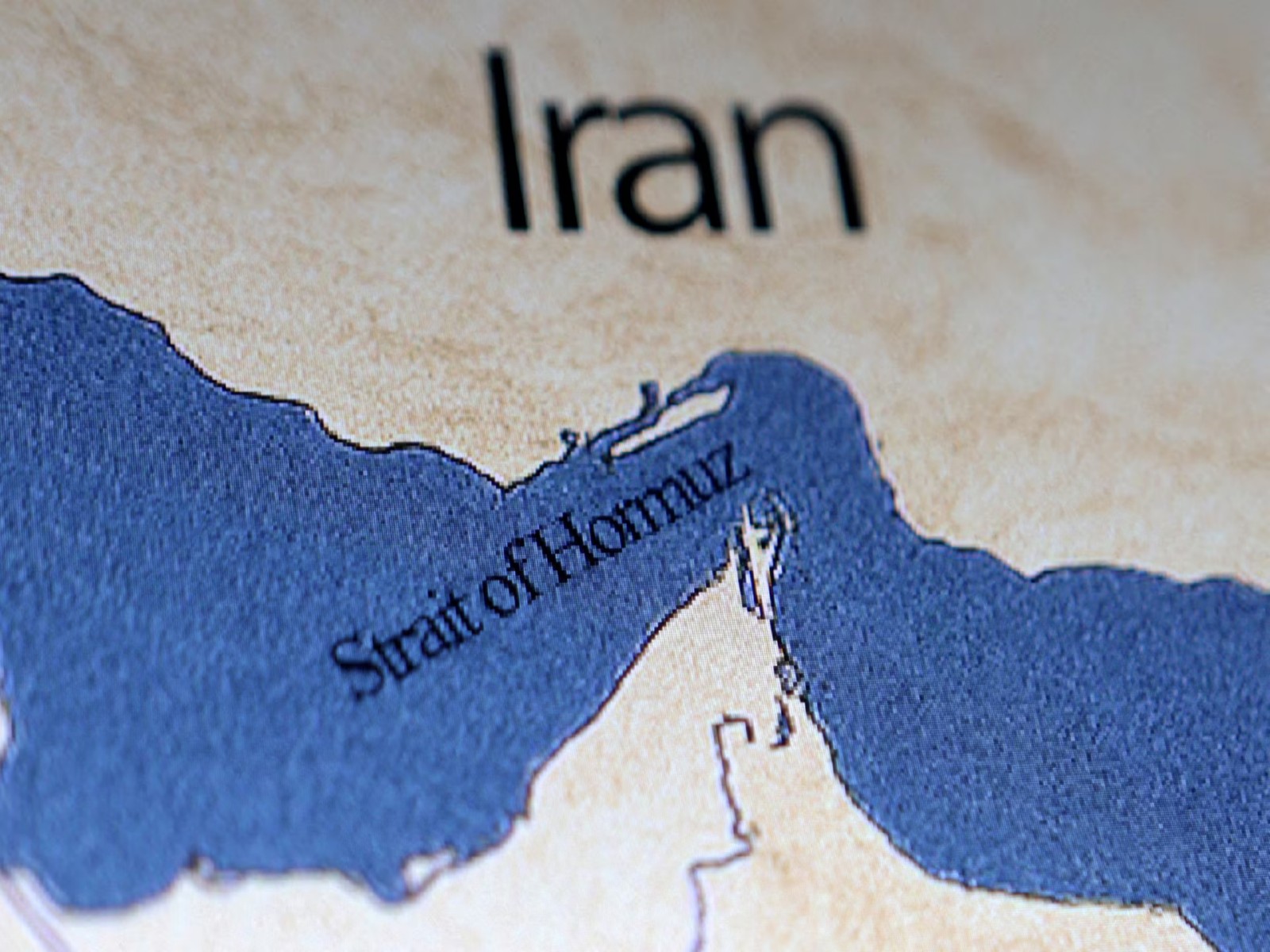
Agarwal said the closure of the Strait of Hormuz has had a major impact on global energy markets and India's downstream energy system.
"There's a whole lot that's happening in the energy markets right now with the closure of Strait of Hormuz and that's really impacting Indian energy system and really downstream from the energy system as well quite significantly," he said.
He noted that India has traditionally operated with relatively low operational oil storage because of its proximity to Middle Eastern suppliers and shorter shipping timelines.
"India as a country is a very efficient buyer of energy," Agarwal said, adding that crude shipments from the Middle East generally take "about 7 to 10 days" to reach India.
He, however, pointed out that India lacks the scale of strategic petroleum reserves built by countries such as China, Japan and South Korea.
"India did not build up the kind of strategic storages that we have seen some of the other Asian countries, big Asian economies like Japan, Korea, China built up. So that is where we are lacking in terms of energy storage," he said.
Calling larger reserves, the "smartest strategy" in an ideal situation, Agarwal said building strategic inventories requires massive investment in both storage infrastructure and crude procurement.
On domestic fuel prices, he said Indian consumers are currently being shielded from the full impact of the surge in global crude prices.
"The consumer is really shielded from some of the vagaries of the market," he said while referring to domestic fuel prices despite rising international oil rates.
"As per their base case... they feel that the oil prices could be somewhere about 120-130 in a couple of months and receding from there," he said.
On the timeline for recovery in case the conflict ends immediately, Agarwal said global energy systems would still take time to stabilise.
"If the war stops today, oil markets... does not function on a flip of a switch," he said, adding that "10-20 weeks" may be required for Middle East energy flows to start returning to some level of normality.