India needs harmonised data infrastructure to power next growth phase: MoSPI Secretary
Sep 21, 2026
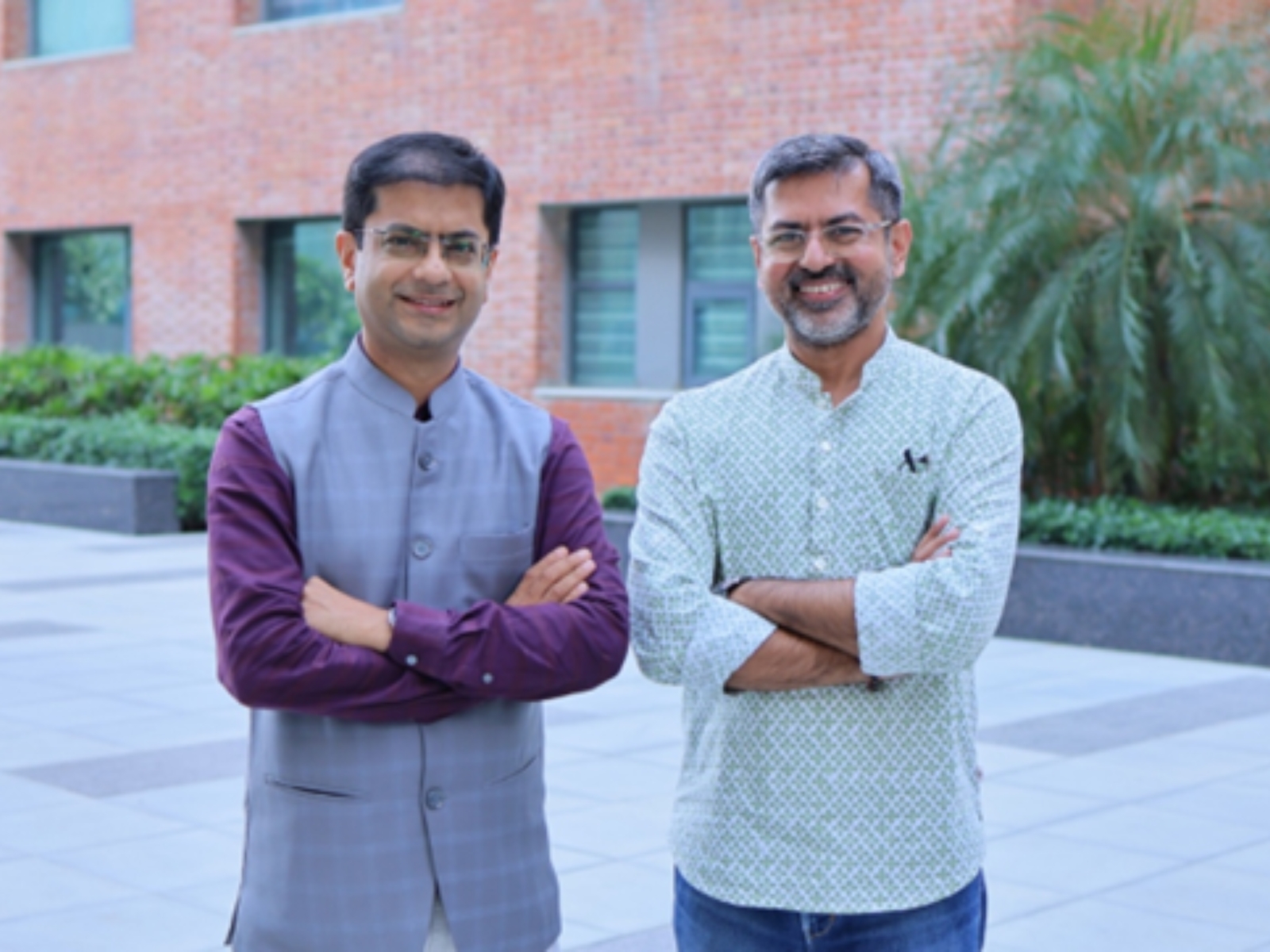
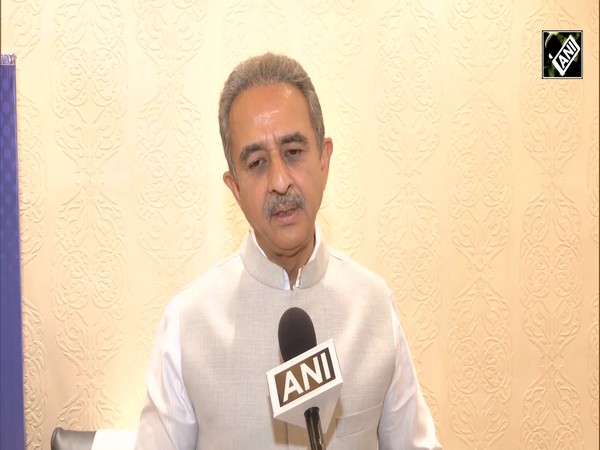
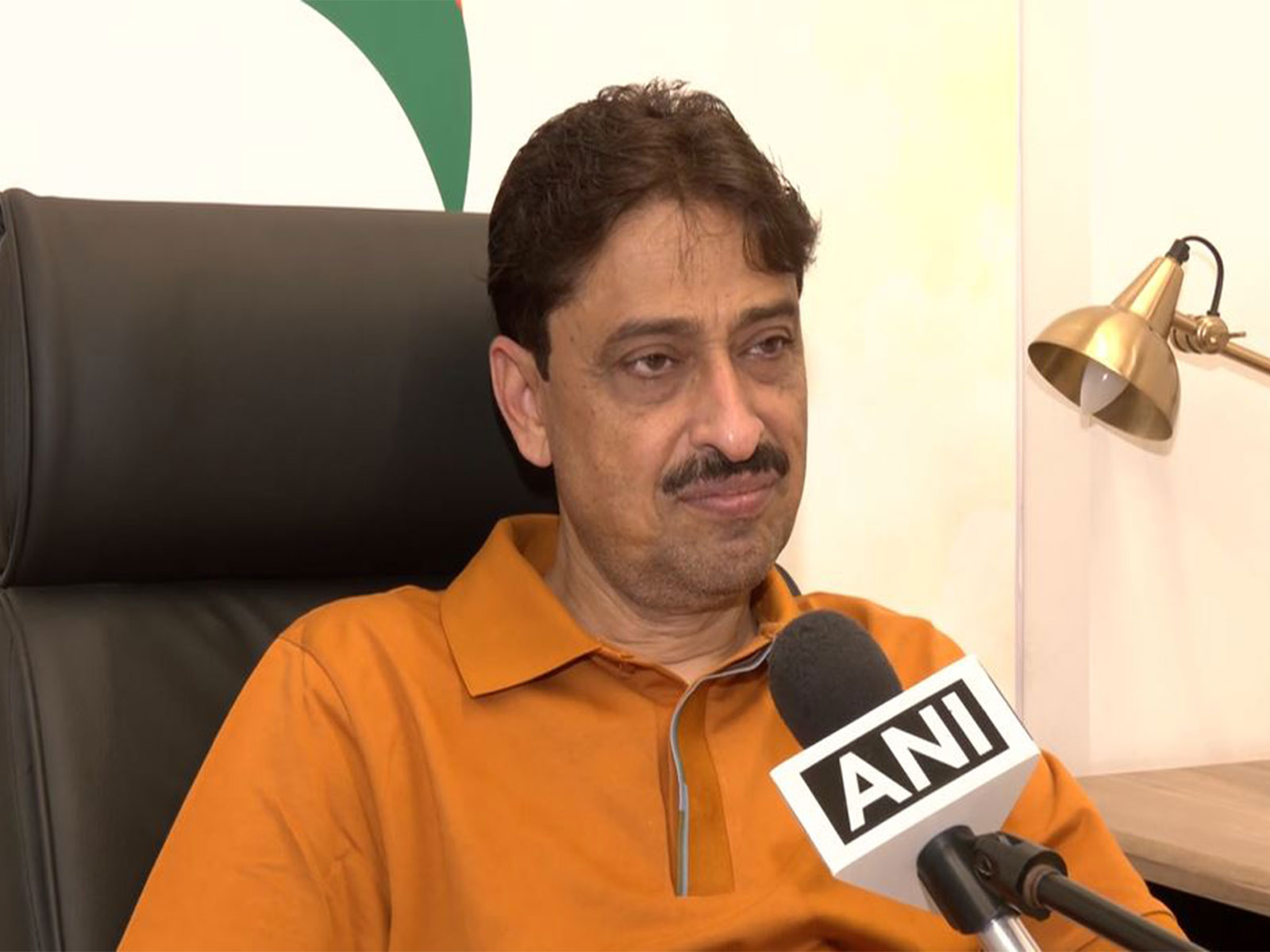
New Delhi [India], September 21 : India will need to build a harmonised and trusted data infrastructure to enable evidence-based decision-making and support its growth ambitions over the next 20 years, Secretary, Ministry of Statistics and Programme Implementation, Saurabh Garg, has said.
Speaking at the Platinum Jubilee National Management Convention 2026 of the All India Management Association, Garg said India had built strong digital public infrastructure (DPI) across areas such as identity, payments, account aggregators, DigiLocker and DigiYatra, but the next step was to create a data ecosystem where information could be systematically discovered, understood, connected and used.
He said such a connected and trusted data ecosystem would become increasingly important for evidence-based decision-making as India works towards its development goals over the next two decades.
Garg said the transition from DPI to harmonised data infrastructure required moving from structural interoperability to semantic interoperability, involving common concepts, definitions, classifications, identifiers, metadata and data quality.
“Interoperability does not only mean machine readability,” he said, adding that harmonised concepts, standardised definitions, identifiers, provenance and quality were necessary to ensure that data could be trusted and used for decision-making.
He said large amounts of government data currently exist across ministries, departments and states, but siloisation and other constraints can make such data unavailable or difficult to discover. The government is working with the Ministry of Electronics and Information Technology and the Ministry of Statistics on a five-step process to harmonise government data.
The five steps include making datasets available and discoverable, providing metadata, establishing common definitions, using common identifiers and undertaking quality assessments covering aspects such as updation, ownership and the legal basis for collection and use.
Garg also said data could increasingly become the fifth factor of production, alongside land, labour, capital and knowledge or technology, particularly as data serves as a key raw material for artificial intelligence.
On measuring India's progress beyond GDP, he said new indicators would be necessary to understand what needs to be transformed as the country looks towards 2047. He noted that the UN system of national accounts provides a standard basis for international GDP comparisons and that the GDP measurement system was revised in 2025, after the previous revision in 2008.