India, New Zealand can deepen maritime security cooperation, strengthen Indo-Pacific Partnership: NZ expert David Capie
Nov 24, 2026
By Sahil Pandey
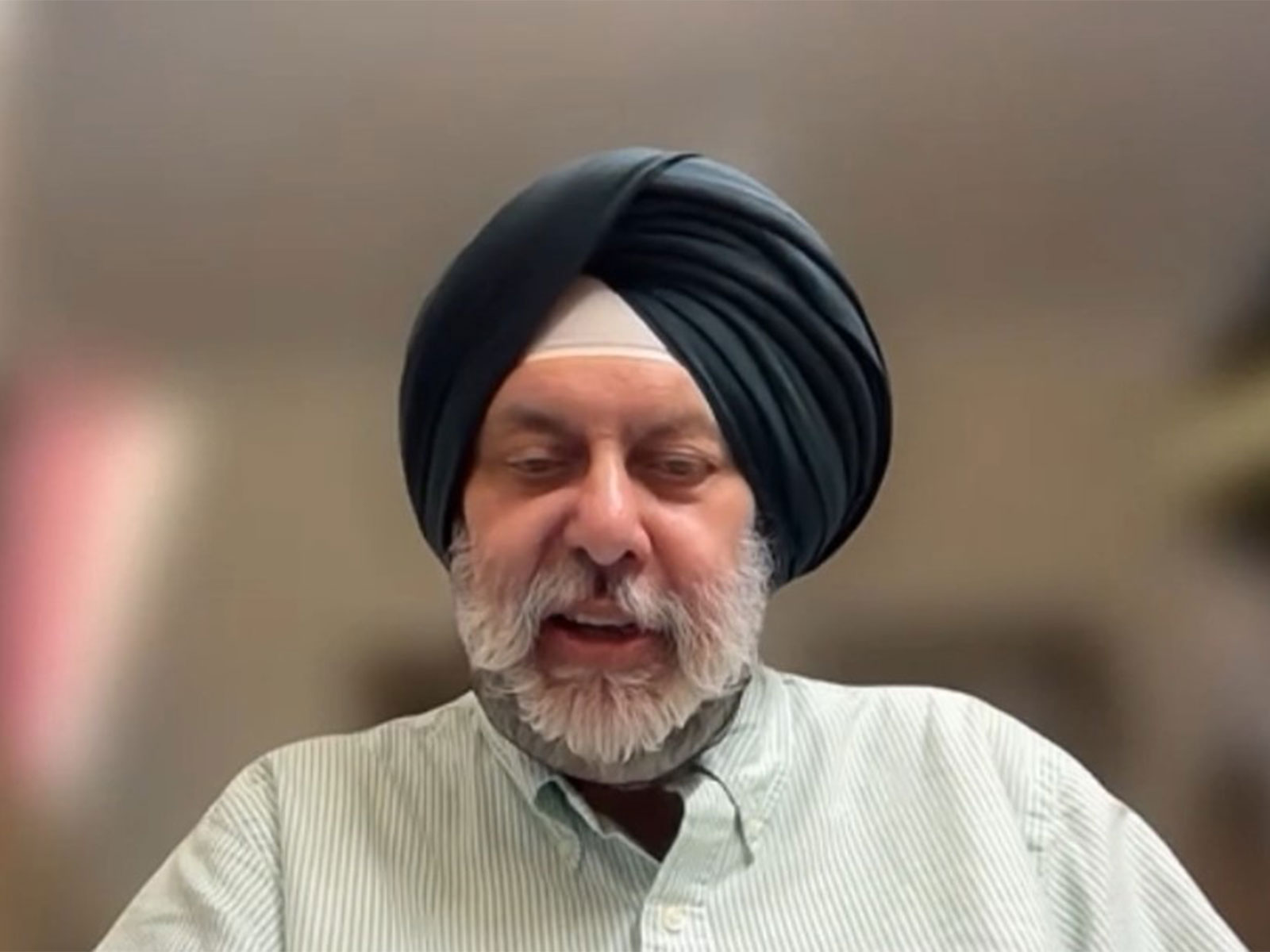
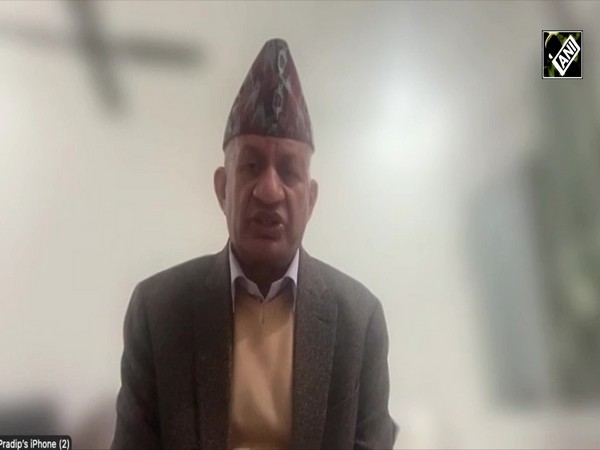
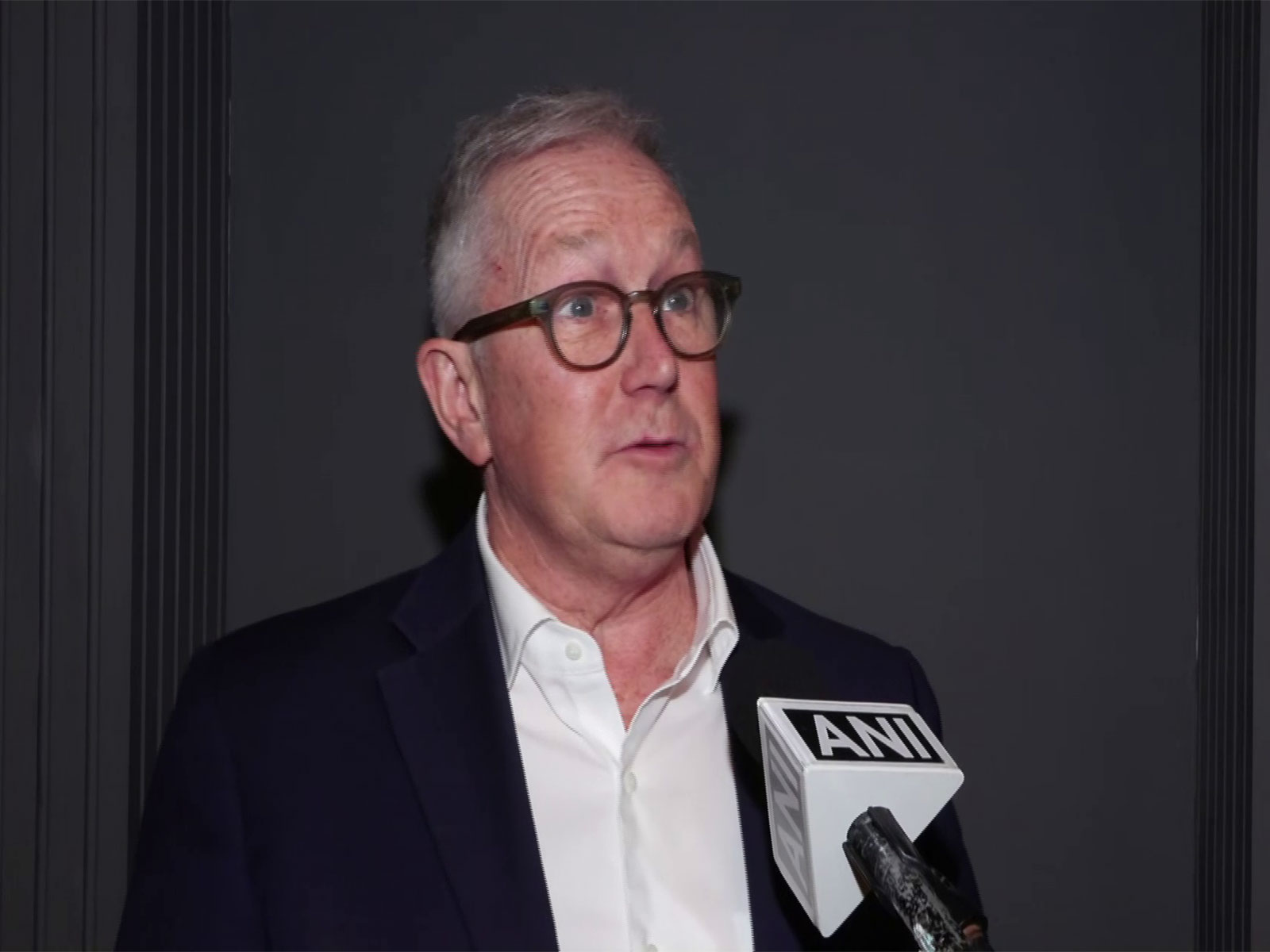
New Delhi [India], November 24 : India and New Zealand have significant opportunities to deepen cooperation in maritime security, maritime domain awareness and maintaining a rules-based order in the Indo-Pacific amid growing global geopolitical uncertainties, Professor David Capie, Director of the Centre for Strategic Studies at Victoria University of Wellington, has said.
Speaking to ANI, Capie said the inaugural India-New Zealand Defence and Security Track 1.5 Dialogue comes at a crucial time, as both countries seek to expand their partnership beyond economic cooperation and identify new areas of strategic convergence.
Describing India and New Zealand as the “bookends” of the Indo-Pacific, Capie said the two countries share important common interests despite differences in their geographical scale and size.
“One of them, for example, is in the maritime space, where we both have a really strong interest in respect for the UN Convention on the Law of the Sea. We want to better understand our important maritime domains,” Capie told ANI.
Highlighting the strategic importance of the Indian Ocean for New Zealand, Capie said the region connects the country to energy supplies in the Middle East, making maritime security and cooperation particularly important.
“For us in New Zealand, it’s the Pacific, but we’re also aware of the way that the Indian Ocean is vital for New Zealand in connecting us to energy supplies in the Middle East,” he said.
He added that India and New Zealand could work together on maritime cooperation, maritime security and maritime domain awareness, contributing to a rules-based international system.
On the inaugural defence and security dialogue, Capie said the changing international order and growing unpredictability have made it increasingly important for countries to identify trusted partners and strengthen existing relationships.
He said leaders of both countries have made it clear that the bilateral relationship must extend beyond economic cooperation and encompass a broader spectrum, including defence and security.
“We’ve seen some important momentum on that in the last year, year and a half or so,” he said, adding that the discussions in New Delhi would provide an opportunity to engage with Indian officials and think tanks on the changing strategic environment and explore possibilities for greater cooperation.
Turning to the India-New Zealand Free Trade Agreement (FTA), Capie said the pact would provide fresh political momentum to bilateral economic ties and create opportunities for businesses in both countries to collaborate in emerging sectors.
He said the agreement could facilitate partnerships by combining India’s strengths in financial technology (fintech) with New Zealand’s expertise in agricultural technology.
“One of the exciting things about the FTA is the way that we can try and bring businesses together and find out what the matches might be between New Zealand and India,” he said.
Citing potential areas of collaboration, he said India’s expertise in fintech could benefit New Zealand, while New Zealand’s breakthroughs in agricultural technology could be combined with India’s scale to develop products and solutions for global markets.
“What we might see, in some ways, is actually less about countries selling to each other and maybe thinking about the way that we can work together, for example in India, to then export to the world,” he said.
Beyond trade and defence, Capie identified education, technological collaboration and people-to-people connections as important pillars of the growing partnership.
He highlighted New Zealand’s Indian-origin population, saying around six per cent of the country’s population identifies as being of Indian heritage, creating a strong foundation for closer societal connections.
Capie also stressed the importance of improving connectivity between the two countries, saying the introduction of direct aviation routes could be a major breakthrough in facilitating travel and strengthening people-to-people ties.
“If we can make it easier to connect the two countries, for example through direct aviation routes, that would be a great breakthrough,” he said.
Capie said the relationship was witnessing considerable positive momentum, with opportunities to expand cooperation across multiple sectors.
“It’s an exciting time to be here in Delhi,” he added.