"India plays a bit larger role in whole of Indian Ocean": IOC official Mahabeer on sidelines of Indo-Pacific Regional Dialogue
Nov 04, 2026
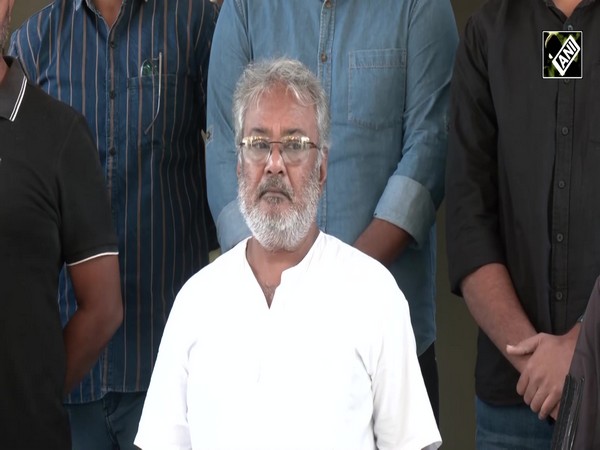
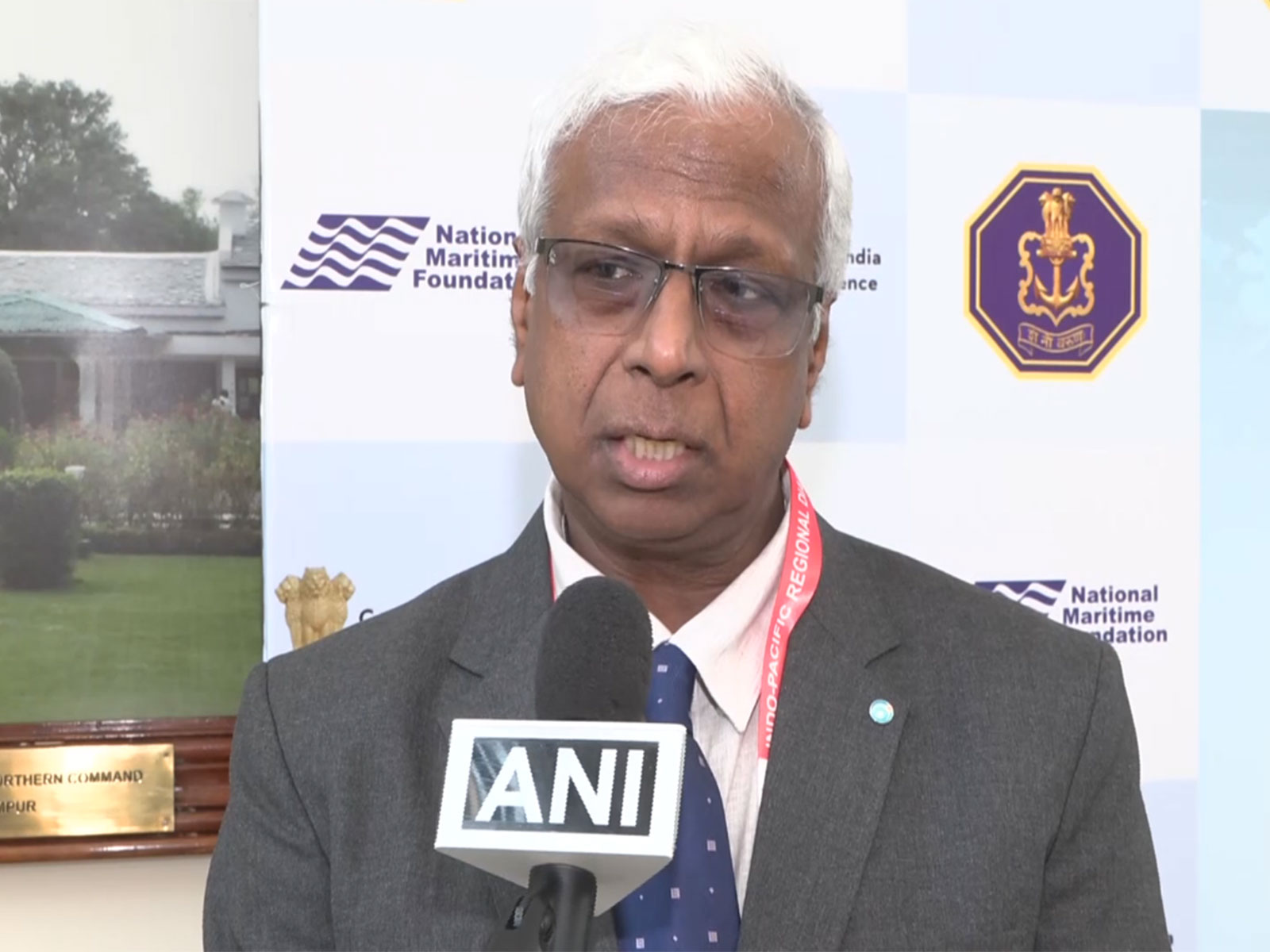
New Delhi [India], November 4 : India plays a "bit larger role" in the whole of the Indian Ocean and complements the maritime security efforts of regional countries, Raj Mahabeer, Officer-in-Charge of the General Secretariat of the Indian Ocean Commission (IOC), Mauritius, said on Wednesday.
Speaking to ANI on the sidelines of the 2026 edition of the Indo-Pacific Regional Dialogue (IPRD) in New Delhi, Mahabeer highlighted India's contribution to maritime security, particularly in tackling piracy, and called for stronger regional cooperation to address emerging maritime challenges.
"India plays a bit larger a role in the whole of the Indian Ocean, but it enables us to complement things that we are not able to do," he said.
Mahabeer said Mauritius, which shares close ties with India, considers India's role as a net security provider in the region important.
"Being a very close ally of India, and many other countries in the region, we feel that India being here as a net security provider is playing a very important role," he said.
Citing the upsurge in piracy towards the end of 2023 and in 2024, he said India was "instrumental in addressing, encountering, and suppressing piracy."
He also highlighted the role of the Information Fusion Centre-Indian Ocean Region (IFC-IOR), which facilitates maritime information sharing and enables countries to develop a better understanding of developments at sea.
He said such initiatives could help countries across the region strengthen maritime security.
Mahabeer, however, pointed out that several challenges remain, including illegal, unreported and unregulated (IUU) fishing, drug trafficking, arms trafficking and marine pollution.
He said the Western Indian Ocean region had become a major transit point for drug trafficking, with countries such as Mauritius and Seychelles significantly affected.
"Our analysis is that the Western Indian Ocean region has become a real major drug transit point," he said, adding that the region also faces challenges related to the trafficking of light arms through vessels.
Recalling the Wakashio oil spill in Mauritius, he highlighted marine pollution as another concern requiring greater international cooperation.
"These are the kind of challenges for which, unfortunately, we'll have to reinforce our collaboration not just with India, but with several other entities and countries worldwide," he said.
Meanwhile, Karuna Rana, Founding Director of the Big Ocean States Initiative (BOSSI), Mauritius, emphasised the importance of recognising island nations as major stakeholders in maritime cooperation and ocean governance.
Speaking to ANI, Rana said that although island nations are often viewed as small because of their limited landmass, they collectively exercise responsibility over significant ocean spaces.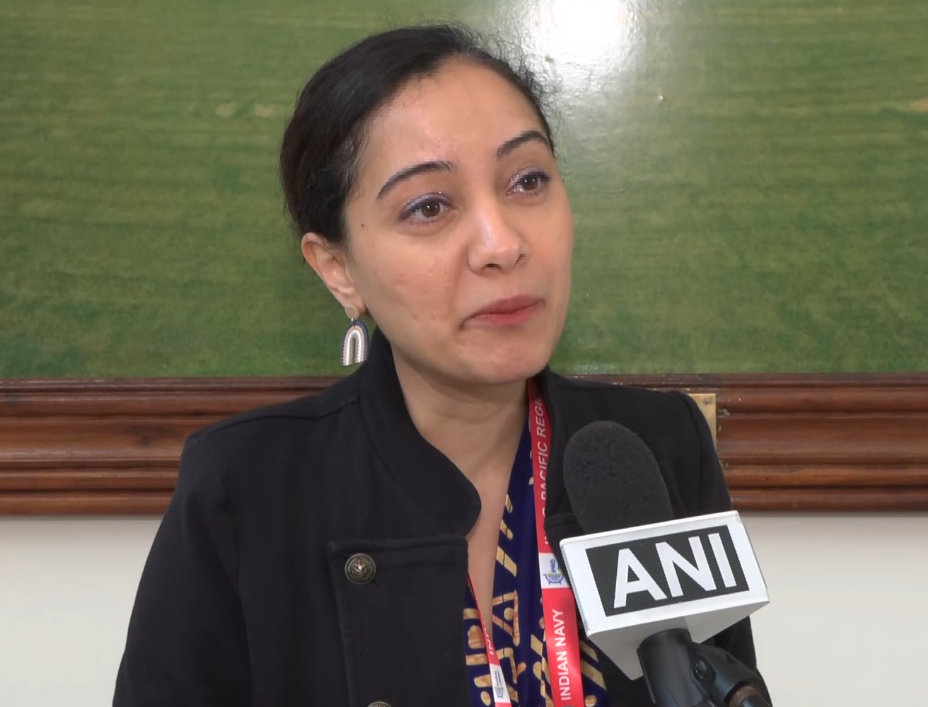
"These very islands control 30 per cent of the world's oceans and seas, and on average, we are 95 per cent ocean and only 5 per cent land," she said.
She stressed that island nations should not be viewed merely as small island developing states but recognised as "big ocean states" because of their responsibility as custodians of vast maritime spaces.
"If we are the first ones to face the impacts of climate change, we are also the first ones to come up with solutions," she said, adding that the world should invest in and learn from island nations.
Rana also said that recognising island nations as big ocean states would strengthen their position at international negotiation platforms, particularly at the United Nations, to demand stronger action on climate change and ocean protection.
On India-Maldives cooperation, former Maldivian State Minister and senior foreign affairs official Athaulla A Rasheed highlighted data sharing, information exchange and knowledge development as important areas for strengthening the bilateral security partnership.
Speaking to ANI, Rasheed said the relationship between the two countries had strengthened over the years and that maritime security cooperation could be further expanded through greater knowledge sharing.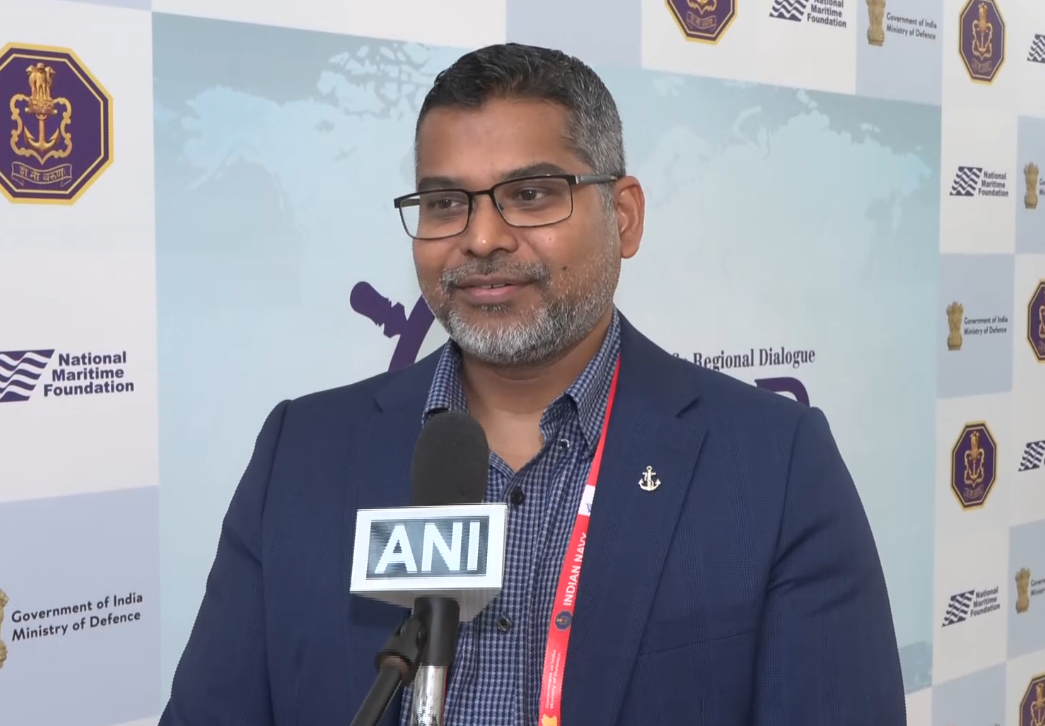
"One of the important areas of collaboration between the two countries would be data sharing, information, and knowledge development," he said.
He added that security cooperation should not be viewed in isolation, as multiple areas of bilateral engagement were interconnected.
Retired Captain Sean Andrews emphasised the importance of understanding the maritime domain beyond its conventional association with naval and military operations.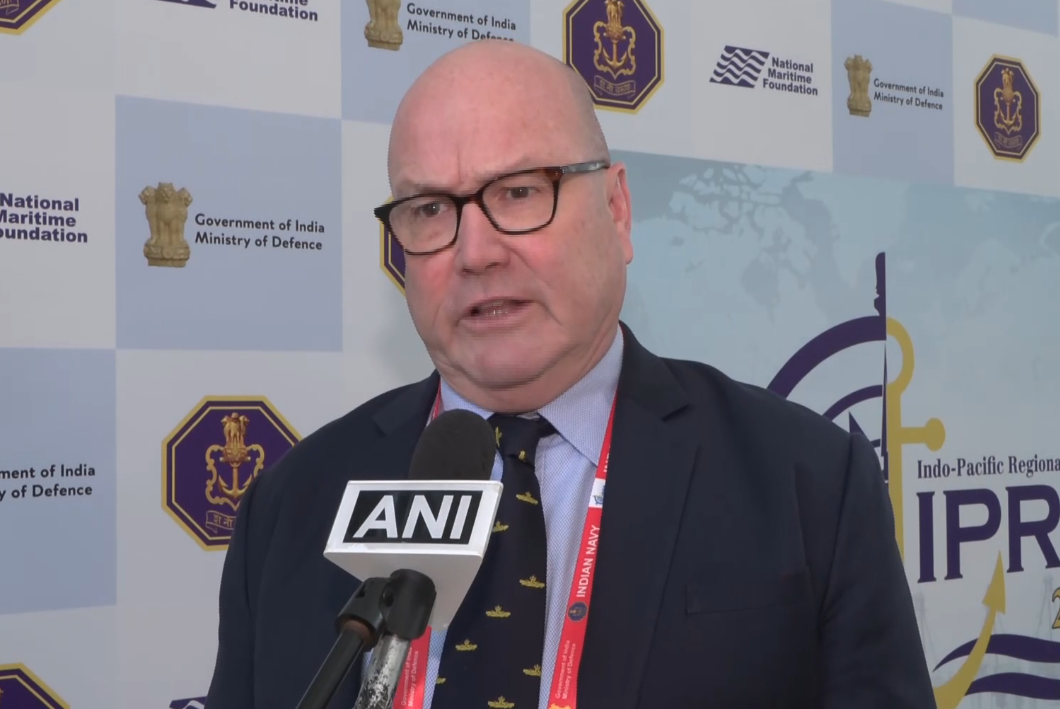
"The global operating system is the sea-based phenomenon," he said, speaking to ANI, highlighting the importance of maritime connectivity to everyday life.
Andrews said a smartphone uses 29 components transported through 20 to 22 sea voyages before reaching a customer and may contain up to 17 critical minerals.
"Any disruption at sea is actually a disruption in the kitchen table," he said, underlining the need to create greater public awareness about the importance of oceans and maritime connectivity.
Meanwhile, former Chief of Naval Staff Admiral (Retd.) Karambir Singh said the Indo-Pacific Regional Dialogue had evolved over the years to cover different pillars of the Indo-Pacific Oceans Initiative (IPOI), announced by Prime Minister Narendra Modi as a follow-up to SAGAR.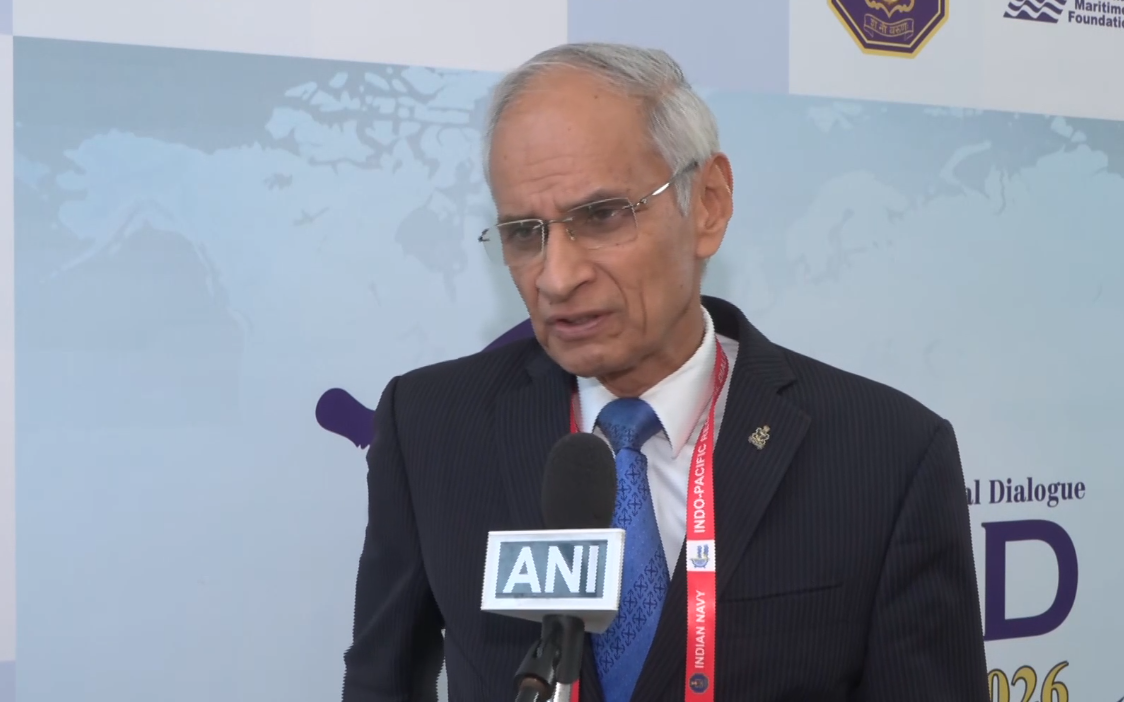
He said the initiative has seven interconnected pillars, with this year's dialogue focusing on science, technology and academic cooperation.
Highlighting the diversity of participation, Singh said the dialogue brings together students, researchers, practitioners and representatives from Track 1 and Track 2 institutions from across the Indo-Pacific.
"Whatever comes out of this, we tend to put it into a report and send it to the Ministry of Defence, the Navy, and the Ministry of External Affairs, so that there is a kind of output," he said.
He said the dialogue was more action-oriented than discussion-oriented, with its outcomes being shared with relevant government institutions.
Singh also highlighted the National Maritime Foundation's contribution to maritime affairs, saying it aims to enhance maritime consciousness among people through work on maritime heritage, security and law.
The 2026 edition of the Indo-Pacific Regional Dialogue is being held in New Delhi under the theme 'Science, Technology and Academic Cooperation in the Indo-Pacific'. The three-day dialogue seeks to bring together diverse perspectives on strengthening the foundations of maritime security in the region.