India stands as "dependable source of steel" despite external cost hurdles: Naveen Jindal
Nov 18, 2026
By Amrashree Mishra
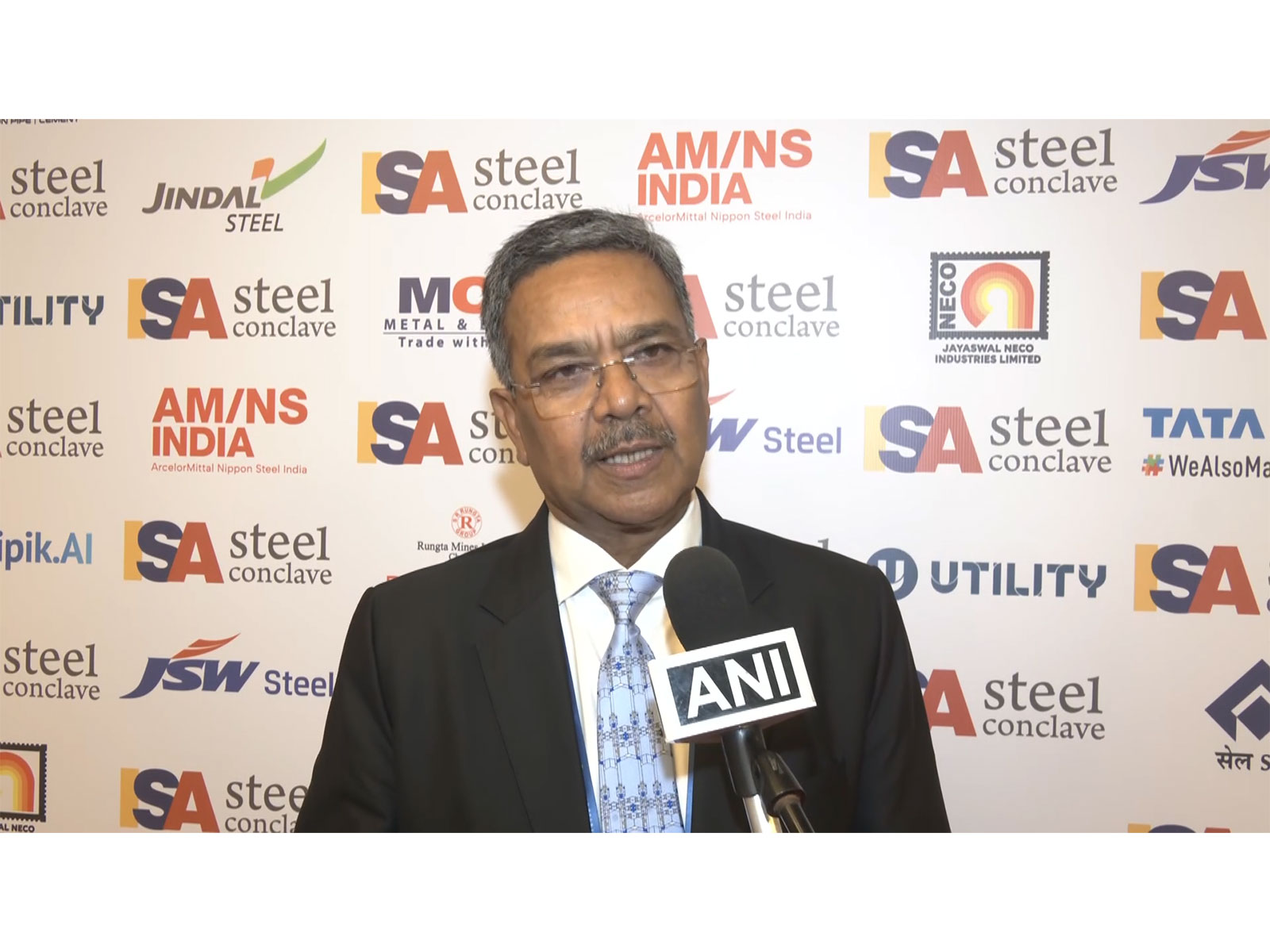
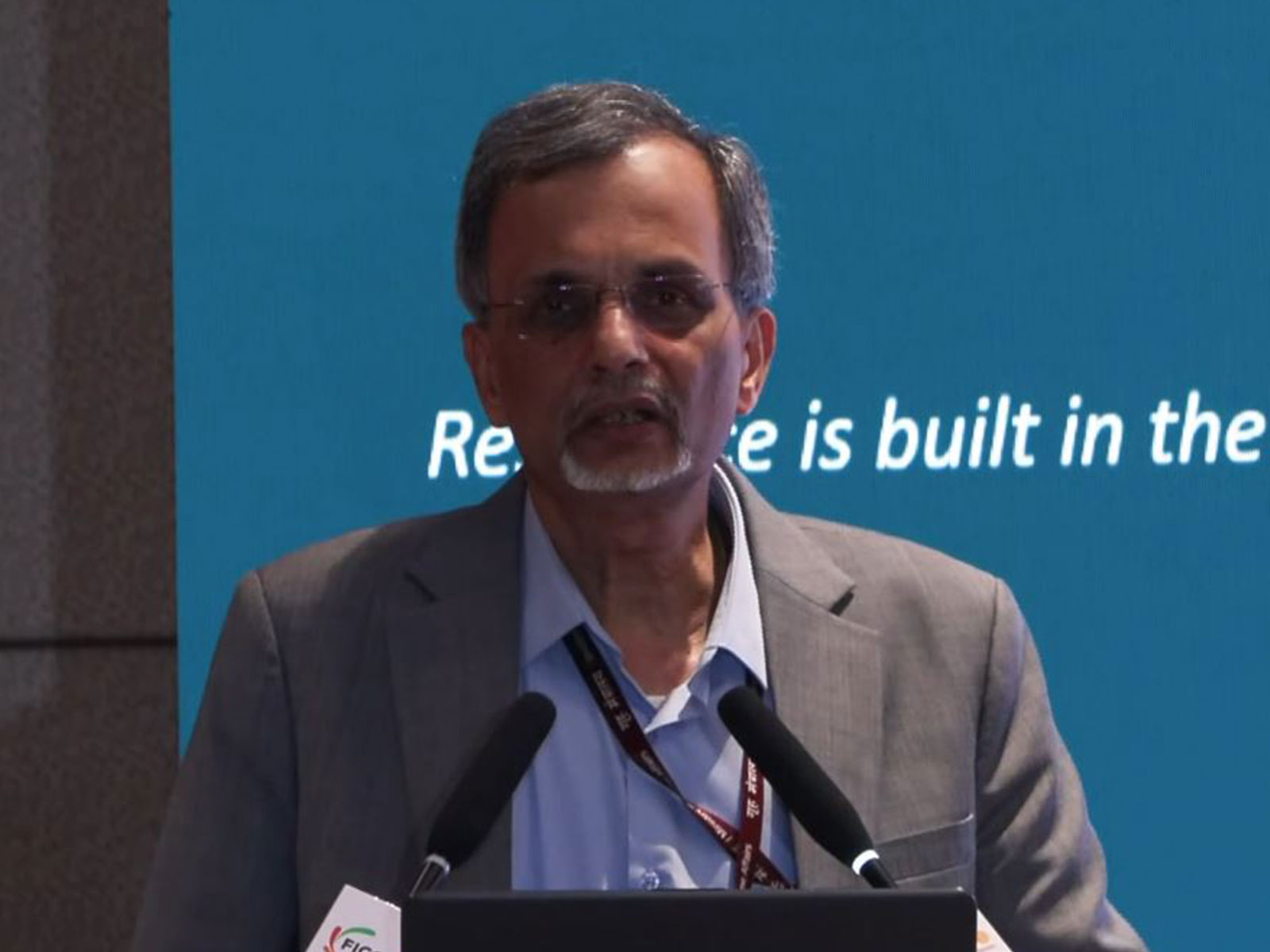
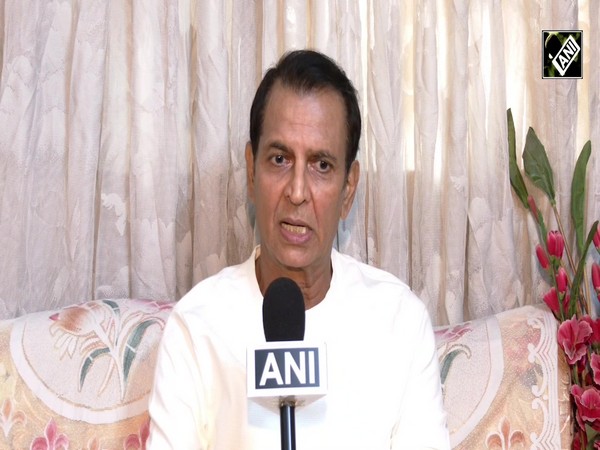
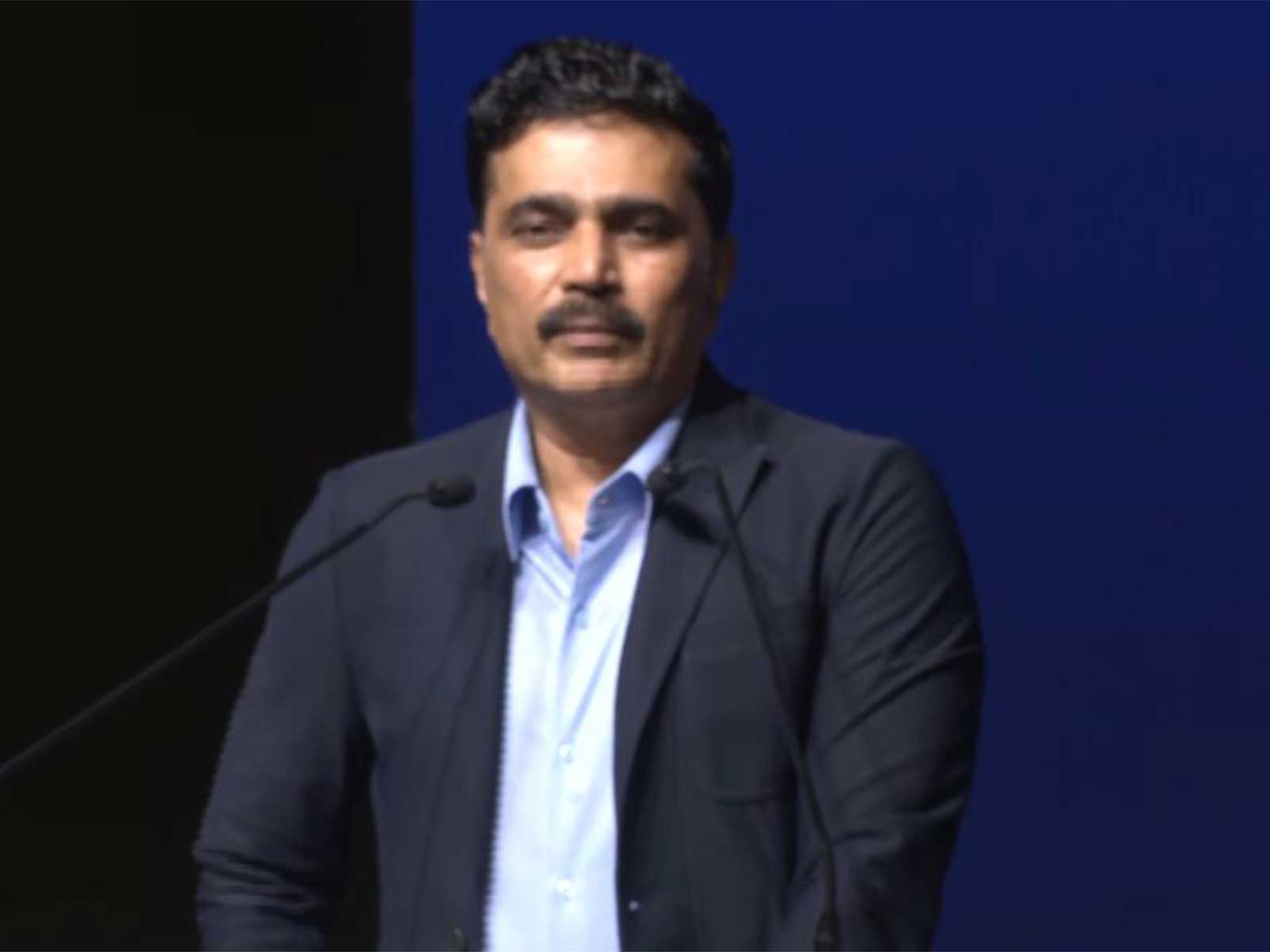
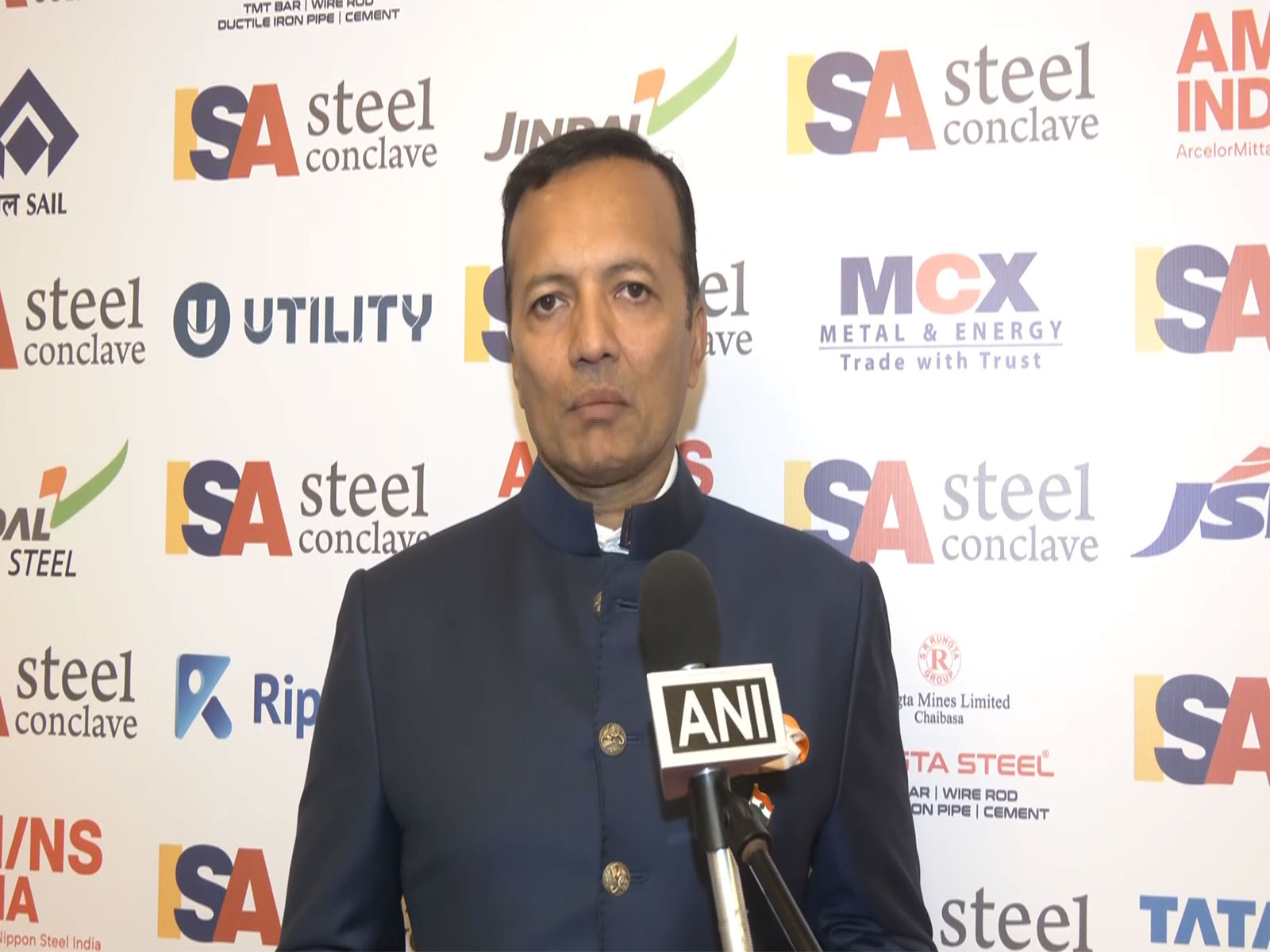
New Delhi [India], November 18 : India remains a dependable source of steel for global buyers because its industry relies primarily on a massive domestic market rather than exports to nations imposing high tariffs, said Jindal Steel Chairman Naveen Jindal.
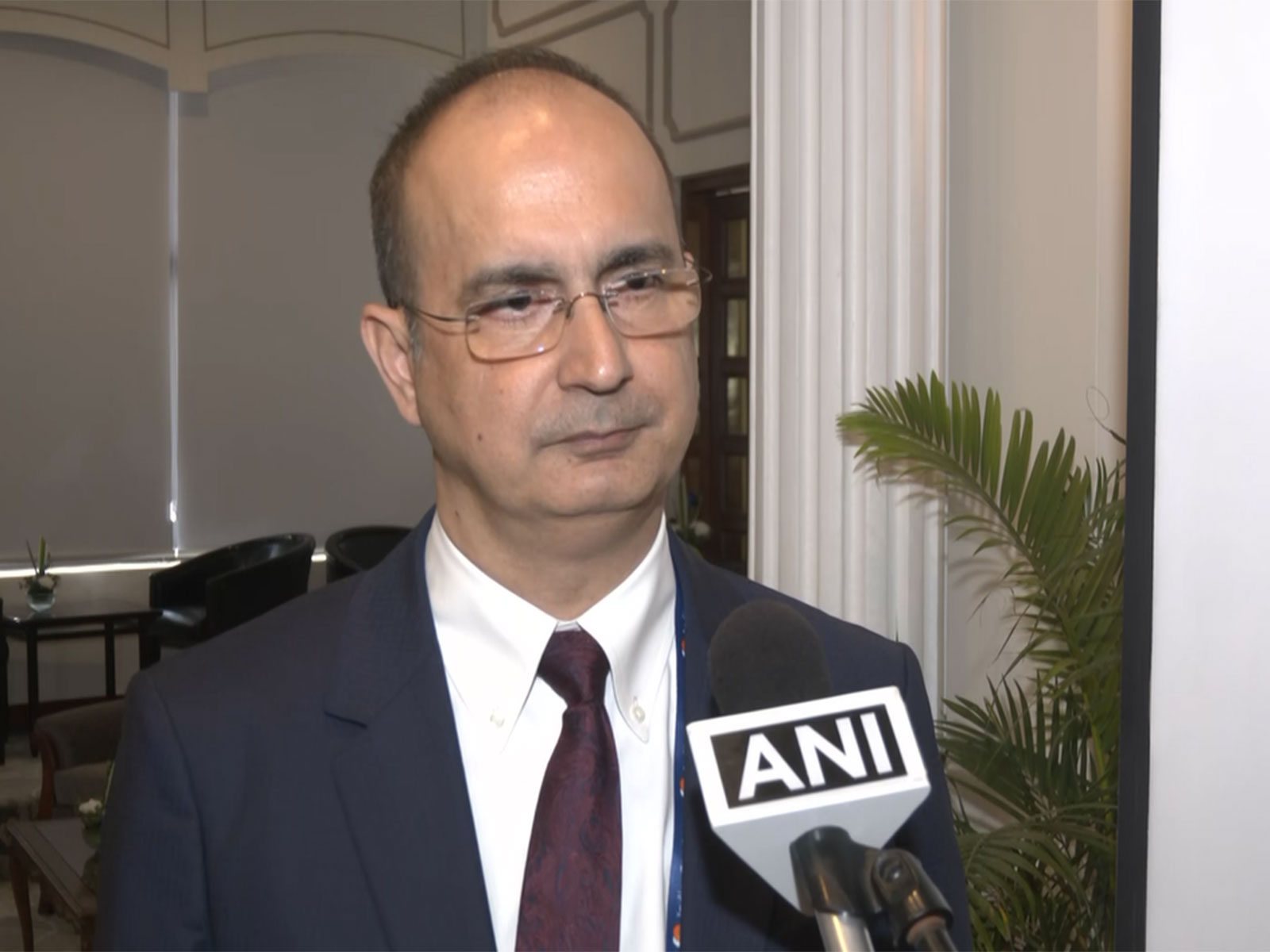
Speaking exclusively to ANI on the sidelines of the ISA Steel Conclave, Jindal noted that strong local consumption anchors the sector and insulates producers from external trade barriers.
"India is a very dependable source of steel for people who want to source from India. Because India is not really dependent on exporting to countries that have imposed high tariffs on Indian steel," Jindal said.
He pointed out that the country ranks among the largest steel markets globally and leads in production growth. According to Jindal, domestic steelmakers prioritize meeting local requirements before sending surplus volume abroad.
"India itself is a very large market for steel in the world, and India is the fastest-growing country in terms of steel production, and also the consumption is very good in India. Most of the steel companies in India are producing to first cater to the requirements in India, and then only some amount of steel is being exported," he stated.
While he described the domestic steel sector as competitive, Jindal flagged high taxation on raw materials as a major hurdle for overseas shipments. He explained that steep auction premiums on iron ore and coal, combined with royalties and electricity duties, inflate production costs.
"The Indian steel industry is very competitive. But we have very high taxation on all our raw materials. So whether it's iron ore or coal, in the auctions we are paying a very high premium, more than 100% premium on iron ore, high premium on coal and very high taxes in terms of royalty, electricity duties," Jindal said.
He noted that these levies do not affect producers within India, where market dynamics absorb the structure. However, because these taxes remain outside the Goods and Services Tax (GST) framework, exporters face a cost disadvantage abroad.
"Within the domestic market, yes, we are fine. But when we export, all these taxes are not really subsumed under GST. So we become internationally uncompetitive because of all these reasons," he added.
Outlining Jindal Steel's roadmap for the next five years, the chairman highlighted ongoing capacity additions, particularly at the company's facility in Angul. He mentioned that several expansion projects reached completion, shifting the company's focus toward execution and supply chain efficiency.
"Over the next 5 years, we have embarked on this journey of expansion at Jindal Steel, especially in Angul. So we have already increased the capacity, plus we are adding capacity. So we have to ramp up, and it's also a very exciting phase because all these projects have now been completed. Now it's just a matter of ramping up the production, capturing the market and improving the logistics," Jindal said.