India-UK trade deal to offer export benefits from day-one; steel issues addressed: Govt Sources
Jun 18, 2026
New Delhi [India], June 18 : The landmark India-UK Comprehensive Economic and Trade Agreement (CETA) will come into force from July 15, 2026, with the government working to ensure that customs notifications and related processes are put in place so that exporters can start availing concessions from day one, senior government sources told ANI.
"Government is working towards getting customs notifications and processes in place. The effort will be to see that exporters are able to sell their consignments on July 15 itself, availing concessions," sources said.
Describing the pact as a landmark achievement, government sources said, "India-UK CETA is the most aspirational agreement so far," adding that it opens up a market worth over USD 500 billion for Indian businesses.
"India will have decent market access. More than USD 500 billion worth market opens up for India. India-UK CETA opens up large economic opportunities on both sides," sources said.
The agreement is expected to provide an additional tariff advantage of 7-10 per cent to Indian exporters, bringing India at par with several other countries that already enjoy zero-duty access to the UK market. Sources said over 99 per cent of India's tariff lines and 99 per cent of India's trade would come down to zero duty under the pact.
India currently enjoys a trade surplus with the UK in both merchandise and services. India's services exports to the UK stood at USD 21.6 billion in 2024, while UK services exports to India were valued at USD 13.7 billion. Merchandise exports from India to the UK stood at USD 13.7 billion in 2025, compared with imports of USD 9.47 billion.
On the contentious issue of UK steel safeguard measures, government sources said India's concerns had been adequately addressed during negotiations.
"India's concerns on steel measure are addressed. Steel measure issues are addressed and we are satisfied," sources said.
They added that around 85 per cent of India's steel exports would remain outside the scope of the UK's steel measures, while concessions had been negotiated on 188 steel tariff lines. "I can assure at the long term, India will not lose market access. India will have a decent market access in the entry of the remaining portion also," sources said, adding that WTO proceedings against the steel measures would continue.
On the Double Contribution Convention (DCC), sources said the UK had accepted one of India's key demands by extending the benefit period from three years to five years.
"One of our key demands was DCC. We have got five years, which was our demand and it is agreed," sources said.
The DCC will exempt eligible Indian professionals temporarily working in the UK from making social security contributions there while continuing contributions in India. Earlier, Indian workers were effectively contributing in both countries.
"DCC deal will make our workforce and companies more competitive," sources said, noting that Indian firms had been at a disadvantage as several other countries already enjoyed such arrangements. More than 75,000 Indian workers are employed in the UK.
On the UK's proposed Carbon Border Adjustment Mechanism (CBAM), sources noted that the framework has not yet been finalised. "UK has not yet finalised CBAM; they are discussing the regulation internally unlike the EU," sources said.
Sources also highlighted the growing economic engagement between the two countries, noting that more than 900 Indian companies are currently operational in the UK.
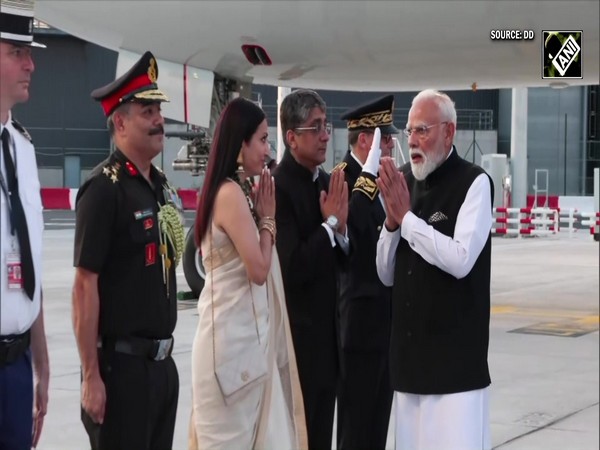
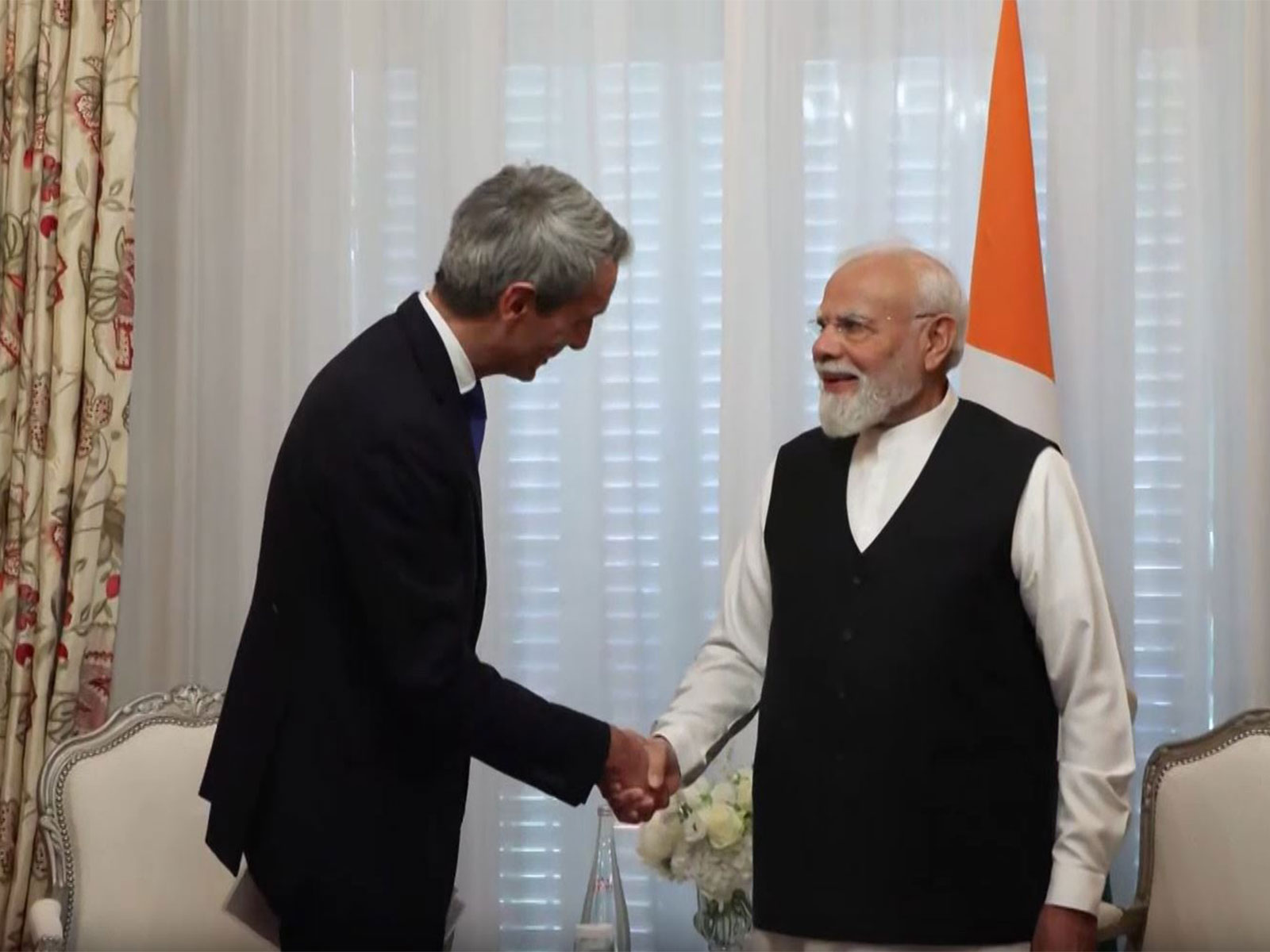
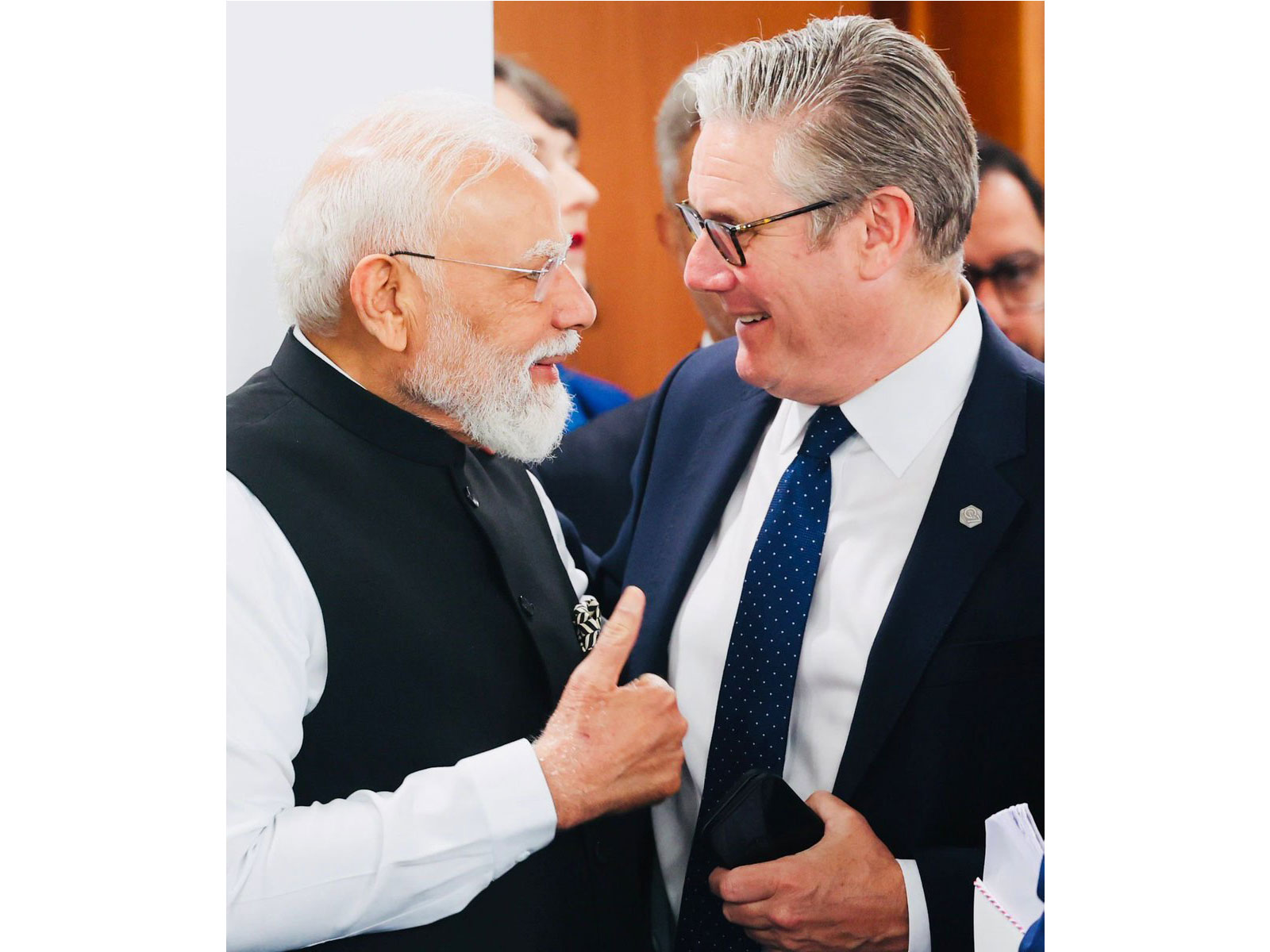
Sources also told that while discussions related to trade deal were concluded in the morning of June 17th, Prime Minister Narendra Modi and UK Prime Minister Keir Starmer, decided on the same day that the agreement will enter into force on July 15.