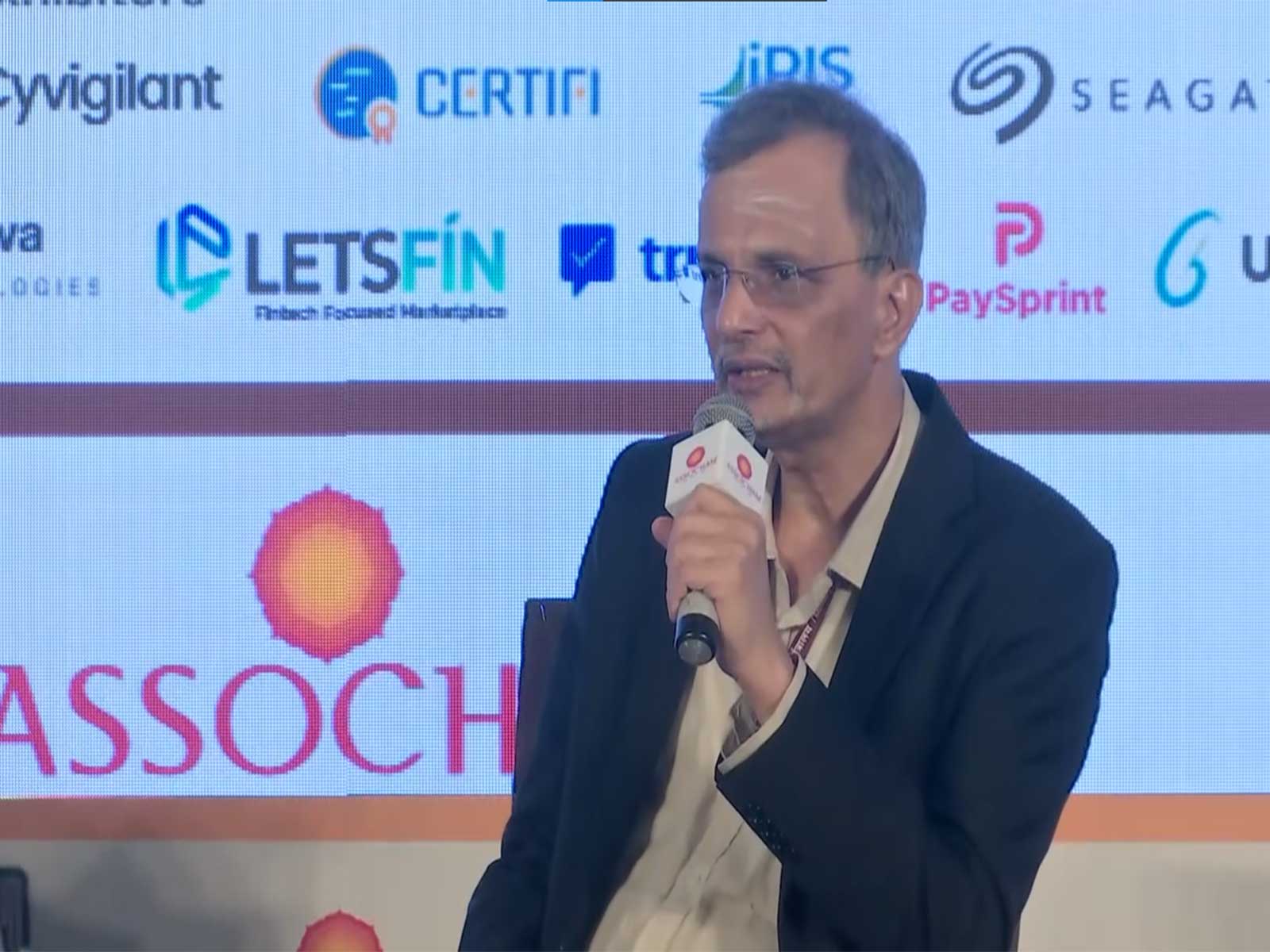
"Indian economy more likely to be resilient rather than becoming more vulnerable": CEA V. Anantha Nageswaran
Sep 15, 2026
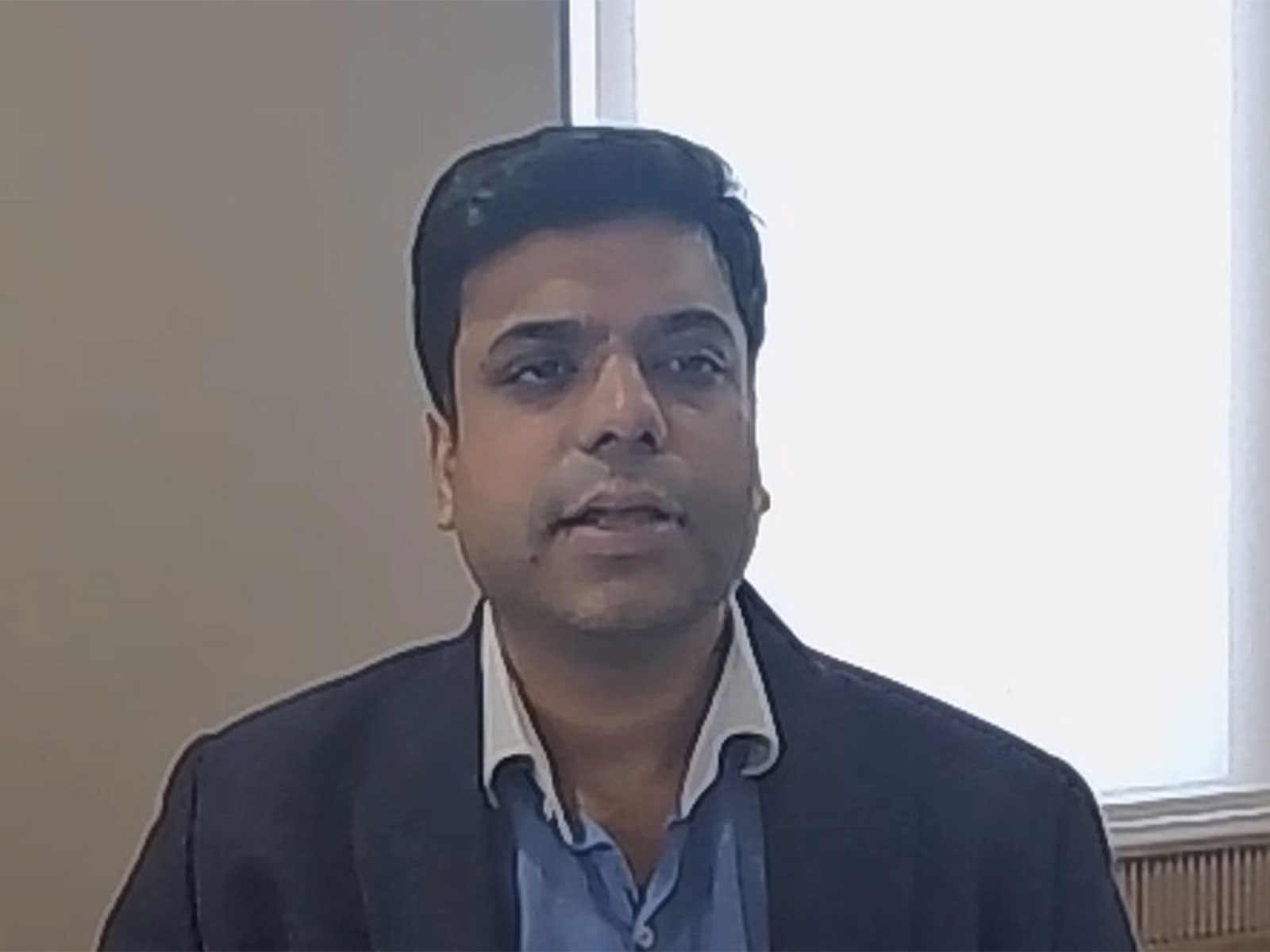
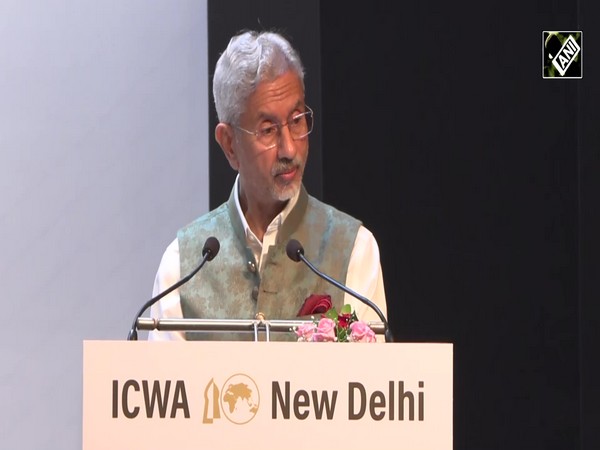
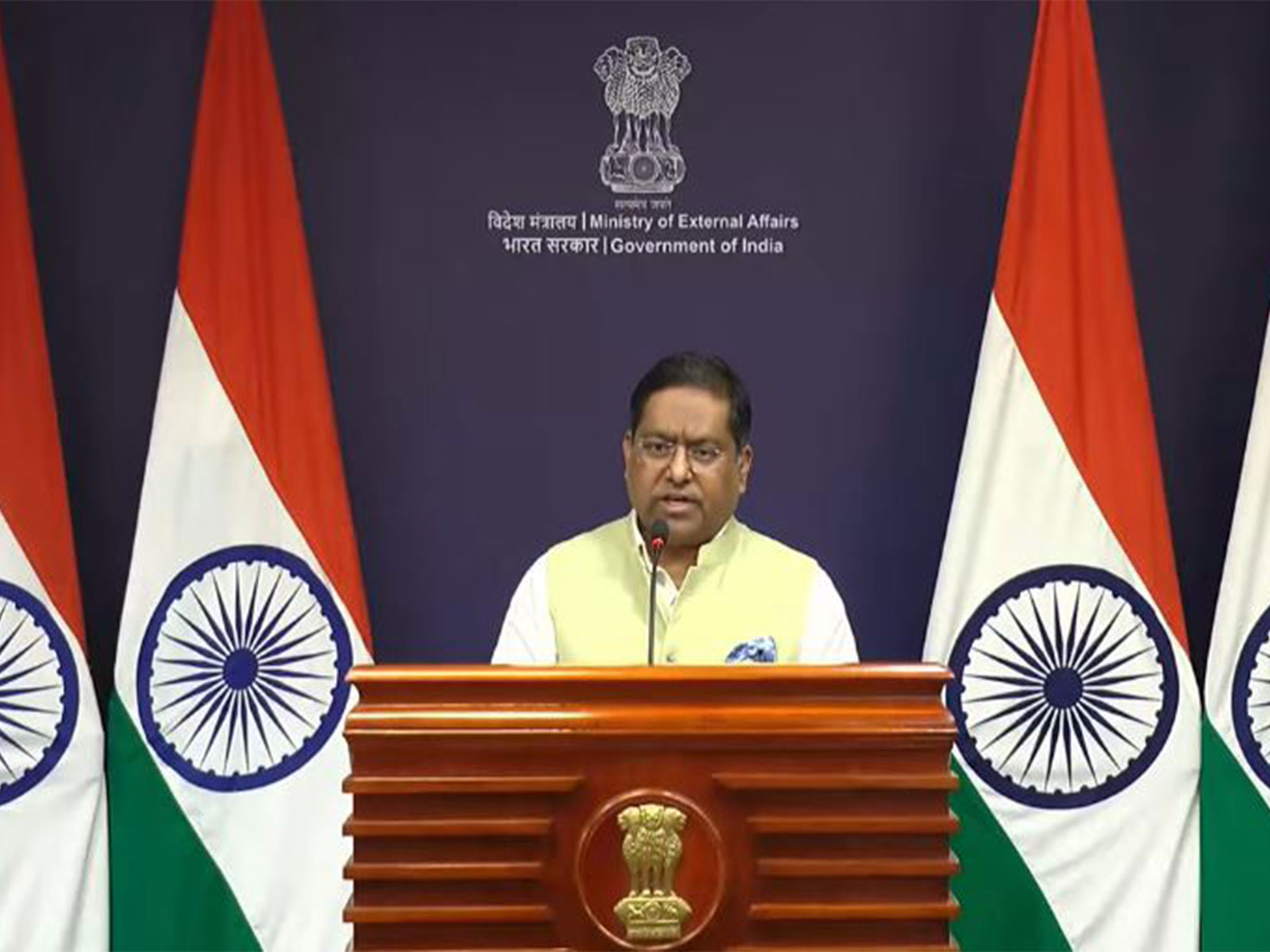
New Delhi [India], September 15 : Even as renewed geopolitical uncertainty has pushed crude oil prices past USD 107-108 per barrel and hardened global bond yields over the past week, V. Anantha Nageswaran, Chief Economic Adviser to the Government of India, told industry leaders at ASSOCHAM's Managing Committee Meeting and Special Session that "the Indian economy is more likely to be resilient rather than becoming more vulnerable," citing strong bank credit growth, robust GST collections and healthy corporate and banking sector balance sheets.
Nageswaran further added that while the resumption of hostilities in West Asia and rising interest rates across major economies, including a 10-year US Treasury yield of 5.02 per cent, had reintroduced volatility after a period of relative calm between March and July, India entered this phase of uncertainty from a position of strength.
He noted the country's recent sovereign rating upgrade to A- and successful mobilisation of USD 137 billion through foreign exchange deposit swaps and external commercial borrowings, alongside high-frequency indicators such as vehicle sales, e-way bill generation and export growth, as evidence of sustained economic momentum.
"This is a period of churn and this is an inflection point, and therefore what served us very well in the first 45 years since independence and then the next 30 years in the liberalisation era, both of these things may not necessarily be adequate for the next 25 years. We need to raise our game in multiple respects," Nageswaran said.
He also added that individuals and households too would need to think about their mental, physical and emotional wellbeing, and that youngsters should stay open to trade skills rather than only conventional education paths as AI reshapes employment patterns.
He was equally direct on the role of the private sector. "The private sector must invest, must hire and must compensate fairly and also invest in R&D because the next 20 years is going to be very different from the last 80 years post World War II."
He cautioned that, “policy will play its part but policy cannot be the only instrument that drives the economy forward”, even as he reaffirmed that the government would "continue to remain growth supportive, maintain macroeconomic stability and pursue deregulation and ease of doing business both for small and large enterprises."
On artificial intelligence, Nageswaran noted that India could not simply emulate the hyperscale, capital-intensive model pursued elsewhere, and instead pointed to edge AI, computing that can run on CPUs rather than GPUs, with data kept local as holding real promise for the country.
"We have to find ways in which we use AI to complement rather than displace labour, because we are a large country," he said.
"For countries that are ageing, demographically AI could be a blessing. But for India, it has to be made into a blessing; it won't happen easily," he added.
He also shared that this would require the corporate sector to be "very imaginative and sensitive," and flagged the upcoming UK and EU free trade agreements as concrete opportunities for India's labour-intensive export sectors, noting that the impact of a weaker rupee was already visible in export performance over the first four months of the current financial year.