"Indian Navy's presence in South China Sea is an important signal": Philippines envoy to India Ignacio on expanding bilateral maritime ties
Jul 21, 2026
By Sohini Bhattacharya
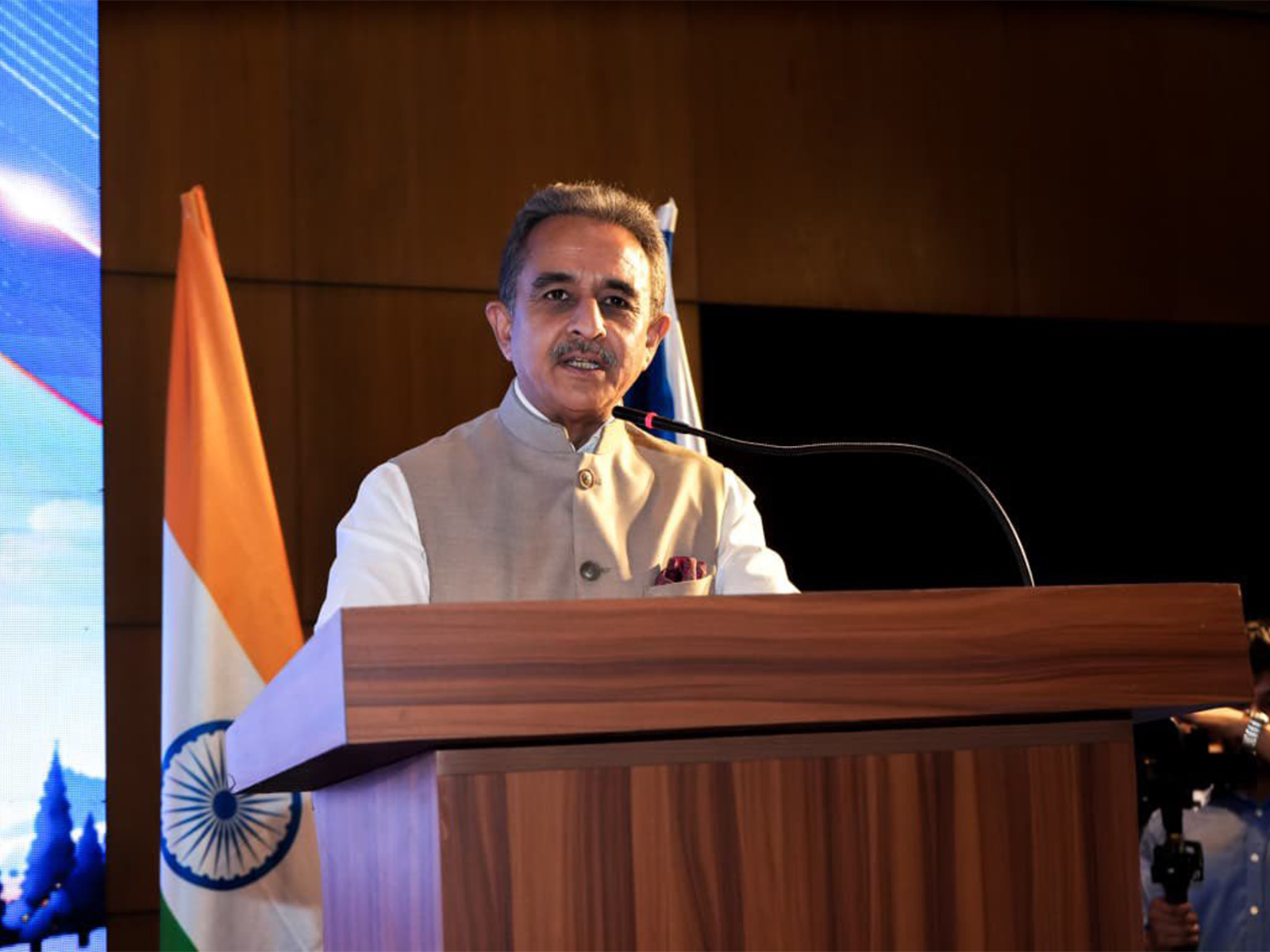
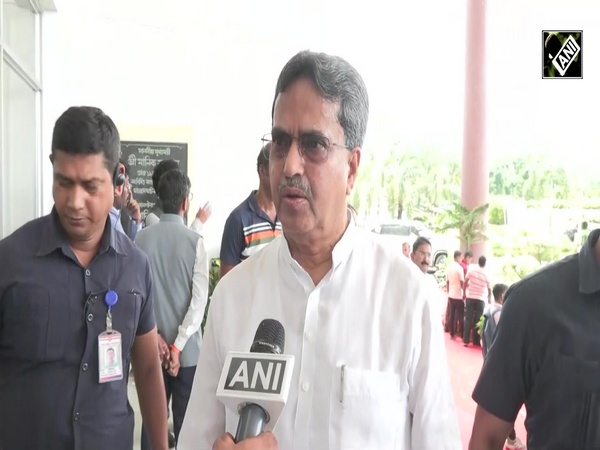
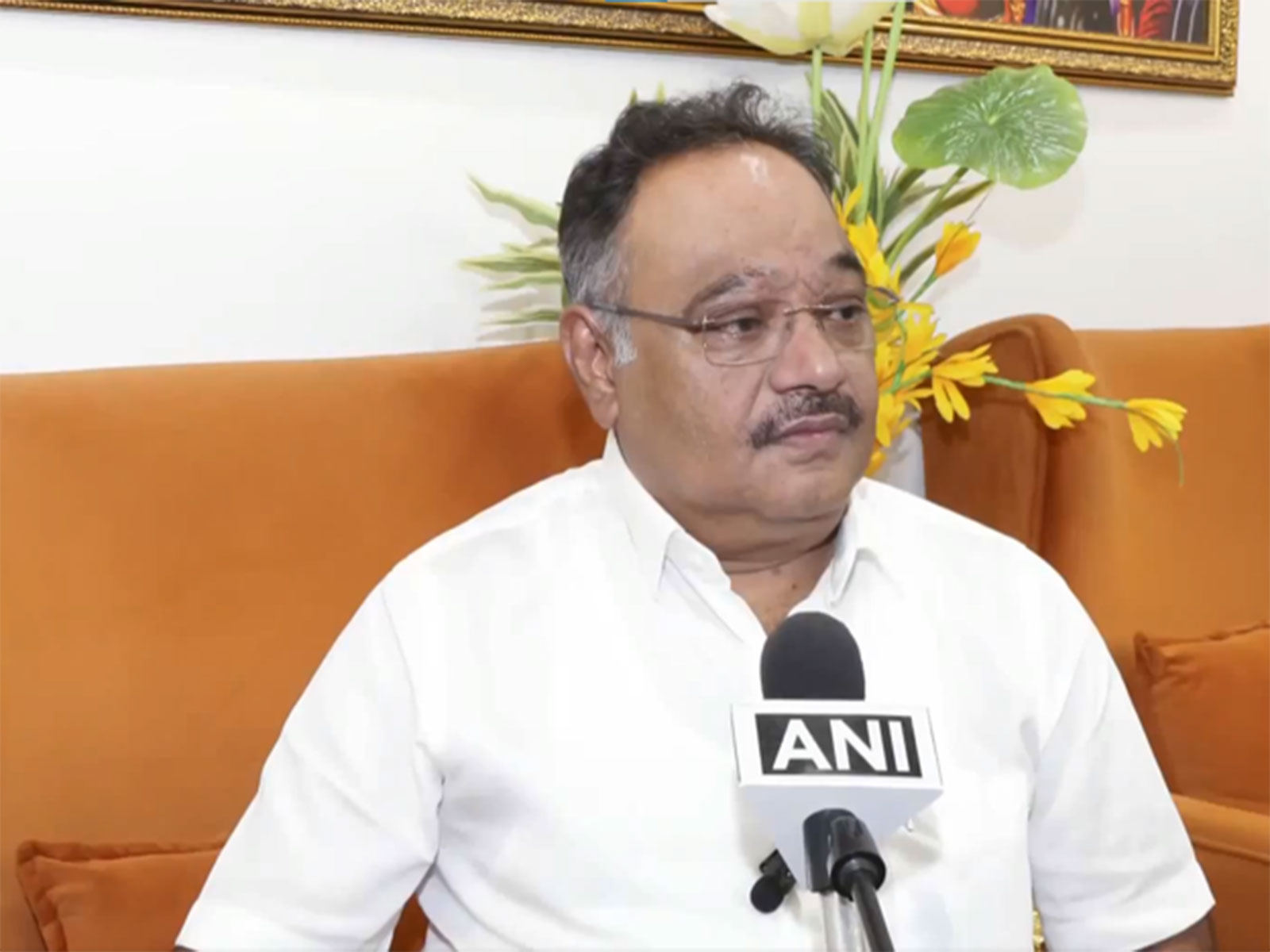
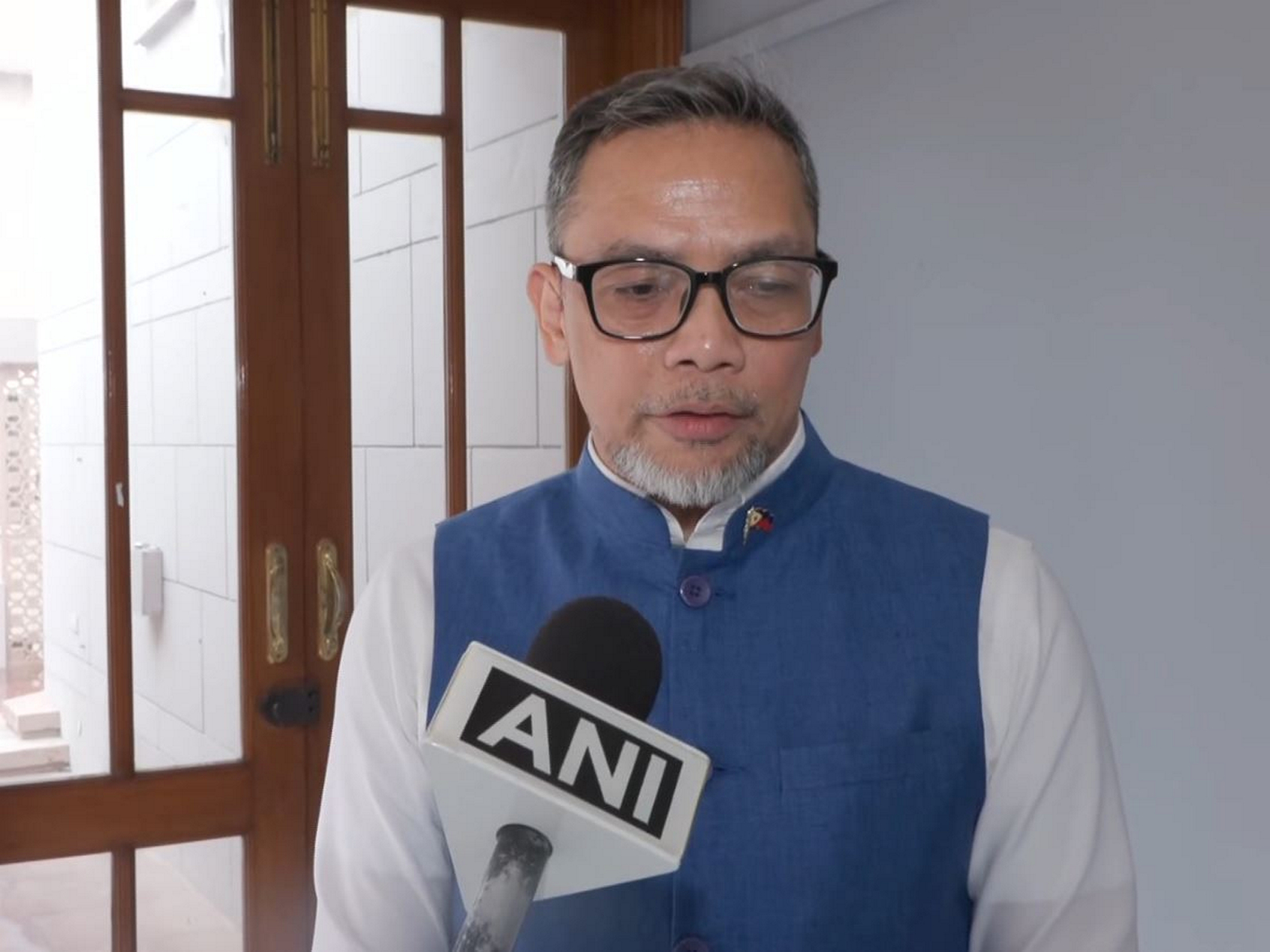
New Delhi [India], July 21 : The Philippines' Ambassador to India, Josel F. Ignacio, on Tuesday said the Indian Navy's growing presence in the South China Sea and joint manoeuvres with the Philippine Navy send "an important signal" on the rights guaranteed under the United Nations Convention on the Law of the Sea (UNCLOS), while highlighting the expanding scope of India-Philippines cooperation in maritime security and economic resilience.
Speaking to ANI on the sidelines of a roundtable discussion on the theme "Lines Drawn in the Water", organised by the Ananta Centre, Ignacio said India and the Philippines, as maritime states, have strengthened cooperation in recent years and have a shared role in advancing a rules-based maritime order.
"So, India and the Philippines both are maritime states, both are, again to use the phrase, responsible players. And I think the intensification of our relations over the past decade or so, especially over the past couple of years, shows that the Philippines and India have a role to play in advancing our shared advocacies in the maritime sphere. And this is not necessarily only military, although that's an important part of it, I mean security or defence," he said.
Referring to the growing defence engagement between the two countries, including India's naval deployments in the South China Sea, the Ambassador said the cooperation reflected the principles enshrined in UNCLOS.
"Of course, the Indian Navy has started to be present in the South China Sea. They have done joint manoeuvres with our navy. That's an important signal as to what UNCLOS grants to states in that area," Ignacio said.
The Ambassador said India's contribution to the Indo-Pacific extends beyond defence and security, pointing to its role in strengthening regional economic resilience and connectivity. He also highlighted the broader goals of MAHASAGAR (Mutual and Holistic Advancement for Security and Growth Across Regions) and IPOI (Indo-Pacific Oceans Initiative).
"But beyond defence and security, India also has important contributions to make in terms of economic resilience. So by fostering maritime connectivity, for instance, by helping shore up supply chain integrity and resiliency, by helping countries develop digital public infrastructure, you know. So I mean, there's a whole gamut of areas in which India can contribute. So it's not just the political-security field, but also the broader goals of MAHASAGAR and IPOI. And we look forward very much to sustaining our engagement with India on maritime issues," he said.
India and the Philippines have significantly expanded defence ties in recent years, including the landmark BrahMos supersonic cruise missile deal, while both countries have consistently underscored their commitment to a free, open and inclusive Indo-Pacific and adherence to international law, particularly UNCLOS.
During the roundtable discussion, Ambassador Ignacio gave a presentation on the background of '10 Years of the PCA Ruling on the South China Sea', which is basically the tenth anniversary of the tribunal's unanimous award delivered on July 12, 2016. He noted that leading up to the anniversary, China ramped up its criticism of the Philippines for initiating the 2016 legal case.
The discussions focused on the legal and technical aspects of the South China Sea under UNCLOS, particularly the distinctions between High-Tide Elevations (HTEs), commonly referred to as islands or rocks, and Low-Tide Elevations (LTEs), and the maritime entitlements associated with them. The Ambassador also discussed the overlapping territorial and maritime claims in the South China Sea, particularly involving the Spratly Islands and Scarborough Shoal.
He further highlighted India's consistent support for UNCLOS and a free, open and inclusive Indo-Pacific, and emphasised the role of the Quad and the Association of Southeast Asian Nations (ASEAN) in promoting a rules-based maritime order and regional stability in the Indo-Pacific. The event was moderated by Indrani Bagchi, the Chief Executive Officer (CEO) of the Ananta Centre.