India’s growth to hinge on manufacturing push, easier business rules: Chairman of World Trade Centre in Mumbai
Sep 04, 2026
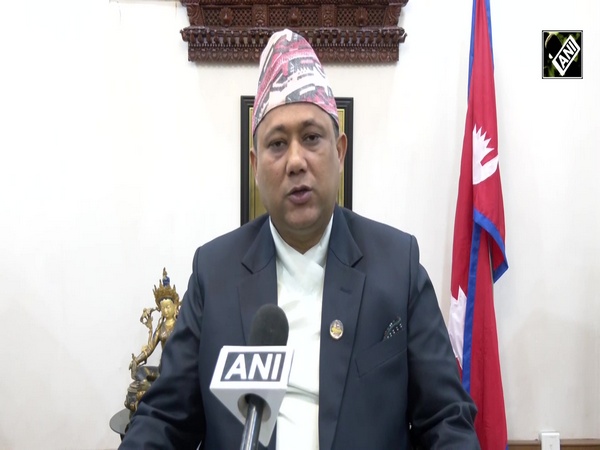
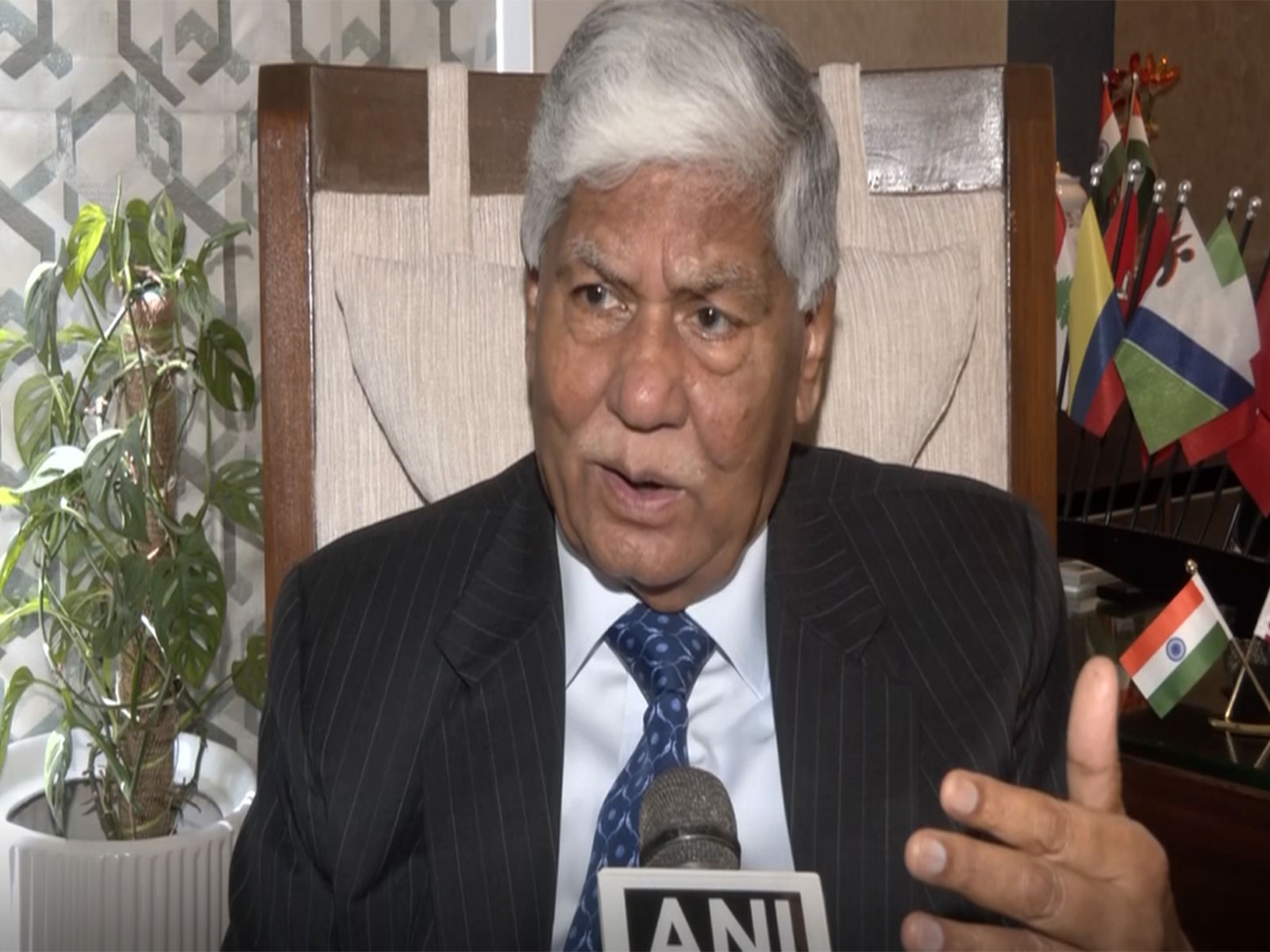
New Delhi [India], September 4 : India’s economic growth can remain strong, but sustaining the momentum will depend on a sharper manufacturing push, faster implementation of reforms and greater capacity to take advantage of free trade agreements (FTAs), Vijay Kalantri, Chairman of MVIRDC World Trade Centre Mumbai, said in an interview with ANI.
He also said India’s long-term economic targets remain achievable if the government and industry work together to improve execution and employment generation.
Kalantri said India’s 7.8 per cent GDP growth in the first quarter of FY27 reflected the government’s methodology for measuring economic activity and pointed to other indicators such as rising GST collections and exports as evidence of underlying growth.
He said the economy was in a more comfortable position than in the past, despite external pressures from higher oil prices and geopolitical tensions.
However, he stressed that stronger growth would require manufacturing and production to expand, particularly to create employment.
“We need to create more manufacturing sector. Only services cannot give all employments. So capacity building means manufacturing should increase, production should increase, agricultural output should increase, technological upgrades. All this is required,” Kalantri said.
He also called for a more proactive administrative framework to help businesses expand and create jobs. “The bureaucracy has to be more liberal, has to be more proactive in redressing the grievances of the trade and industry for better growth and better times to come. If the trade and industry improves and the manufacturing improves, the job employment will automatically be there,” he said.
Kalantri said India’s recent FTAs with major economies were opening new markets, but the country would need sufficient domestic production capacity to fully benefit from them. He pointed to opportunities in textiles, auto components and agriculture, while noting that lower tariffs would make Indian exports more competitive.
For MSMEs, he said the bigger challenge was implementation and timely access to support. “We are lacking in our efforts to implement what is given to us. We need to tighten our belt and need to have one slogan, perform, perform, perform. Implement, implement, implement,” Kalantri said.
He said India’s long-term economic ambitions were achievable, provided implementation improved. “It is achievable. It is not 30 trillion, but it can be 40 trillion also. That is also achievable,” he said.
On external trade and investment, Kalantri said India should deepen cooperation with Scandinavian economies in areas including maritime, technology, artificial intelligence, green energy and engineering.
He also backed continued Russian oil purchases where economically advantageous, arguing that economic relations should not become barriers in political disputes.
Kalantri said India’s economy could perform better in FY27 if oil prices moderate, the rupee strengthens and agricultural output remains supportive, which could also ease inflationary pressures.