India's private space sector to see strong demand from defence, disaster management: CEO, GalaxEye
May 07, 2026
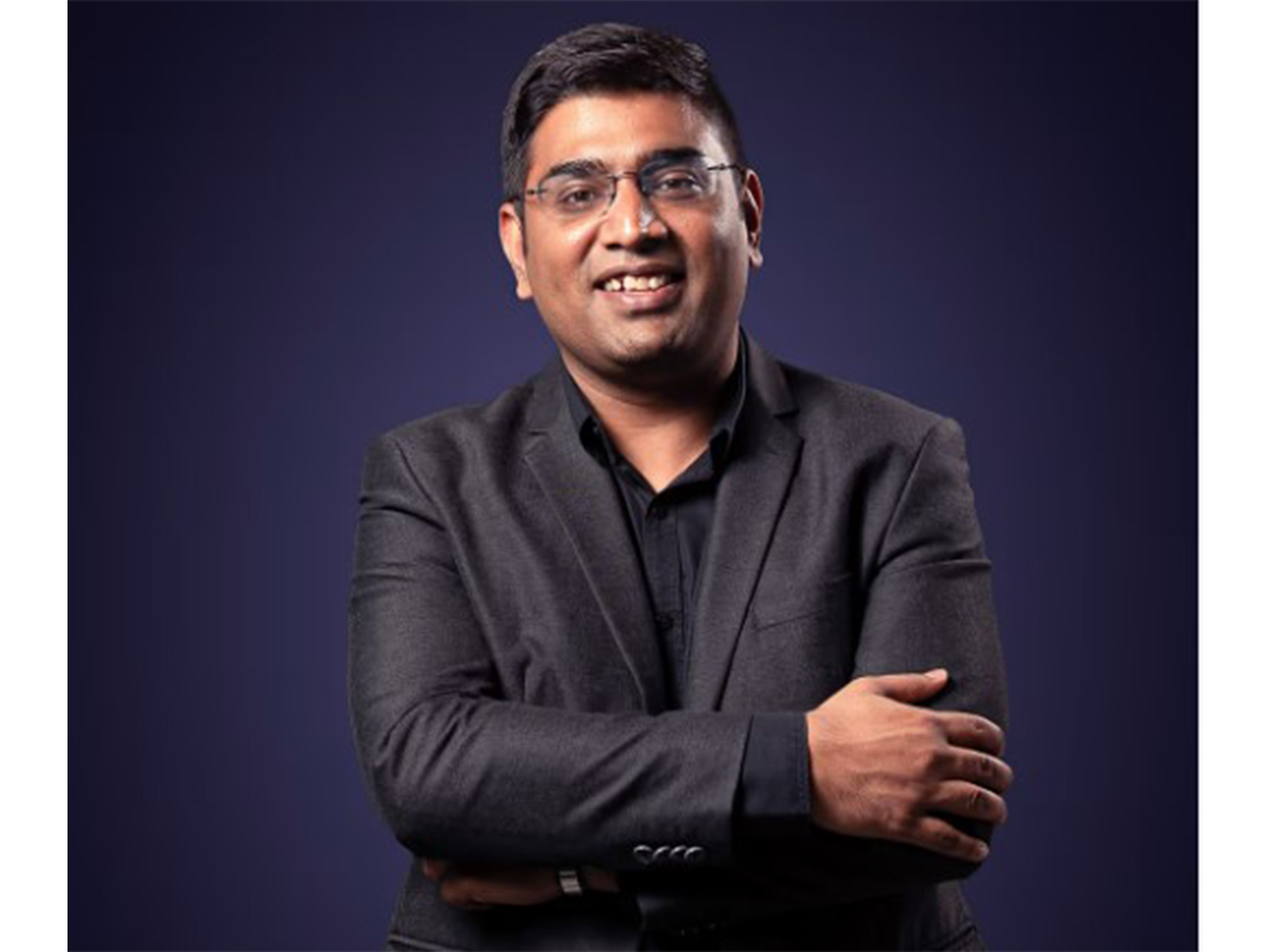
New Delhi [India], May 7 : Defence and disaster management sectors are expected to provide the fastest commercial returns for India's growing private space-tech industry over the next 12-24 months, according to Suyash Singh, CEO and Co-founder, GalaxEye.
In an interaction with ANI, Singh said these sectors already have strong and immediate demand for satellite imagery and data-based insights, making them key growth drivers for private space companies.
"In the next 12-24 months, defence and disaster management are likely to lead in commercial ROI, driven by strong and immediate demand for satellite imagery and insights," he said.
He explained that these sectors have clear and mission-critical use cases such as border surveillance, situational awareness, flood mapping and rapid damage assessment. Because of these immediate applications, adoption is faster, and commercial value is realised more quickly compared to other sectors.
At the same time, Singh said the company is building solutions for multiple sectors, including agriculture and infrastructure to ensure long-term growth opportunities.
Speaking about India's growing space ecosystem, Singh said the upcoming Drishti mission by GalaxEye reflects the increasing maturity of the country's domestic space supply chain.
According to him, the mission demonstrates that India is now capable of handling complete end-to-end space missions, including component manufacturing, subsystem development, satellite integration and launch readiness.
He noted that one of the biggest developments has been the increasing indigenisation of critical technologies such as sensors and onboard systems. This is helping India reduce dependence on imports while strengthening strategic autonomy in the space sector.
Singh also highlighted the growing collaboration between startups, MSMEs, research institutions and established players in executing advanced space missions.
He said this reflects India's shift from a government-supported space ecosystem to a more self-reliant and mission-driven industry that is gradually positioning itself as a serious player in the global space economy.
On the future commercialisation of India's private space sector, Singh said the industry is likely to see a clear divide between upstream and downstream markets, with downstream services expected to grow faster in the near term.
He explained that downstream applications such as Earth observation analytics, defence intelligence, disaster response and sector-specific data services are expected to commercialise more quickly because of strong market demand and practical use cases.
"As a result, industry focus is expected to remain strongly weighted toward building scalable downstream solutions across multiple verticals," he said.
In comparison, upstream areas such as satellite manufacturing, launch systems and hardware infrastructure are likely to grow at a slower pace. Singh said their expansion would depend largely on the scale of downstream demand and the number of satellites needed to support commercial services.
Overall, he described the commercialisation pathway as demand-led, where stronger adoption of downstream applications will eventually drive satellite deployment and accelerate the growth of India's upstream manufacturing ecosystem.
On competition with established Western space companies, Singh said current government policies are helping Indian firms become increasingly competitive globally.
He pointed to access to ISRO testing facilities, regulatory support through IN-SPACe and commercialisation support from NSIL as key factors reducing entry barriers for private companies.
"These measures are helping accelerate development, testing and market readiness of indigenous space technologies," he said.
GalaxEye is a Bengaluru-based space-tech startup that developed "Mission Drishti," the world's first hybrid "OptoSAR" Earth observation satellite launched in May 2026. It is India's largest privately built satellite, combining Optical and Synthetic Aperture Radar (SAR) technologies to provide 24/7, high-resolution, all-weather imaging.