Inflation nears RBI's 6 per cent upper tolerance limit; economists see upside risks, rate hike possibility
Oct 12, 2026
New Delhi [India], October 12 : India's retail inflation rose to 5.54 per cent in September from 4.83 per cent in August, moving closer to the Reserve Bank of India's (RBI) upper inflation tolerance limit of 6 per cent, as food inflation surged to 7.74 per cent, prompting economists to warn of further price pressures and the possibility of another interest rate hike.
The Consumer Price Index (CPI)-based inflation increased by 0.71 percentage points in September, while food inflation rose by 1.77 percentage points from the previous month, according to data released by the Ministry of Statistics and Programme Implementation on Monday.
The RBI's inflation target band is 2-6 per cent, with a medium-term target of 4 per cent. September's retail inflation remains within the tolerance band but is approaching its upper limit, increasing the importance of the inflation outlook for the central bank's monetary policy decisions.
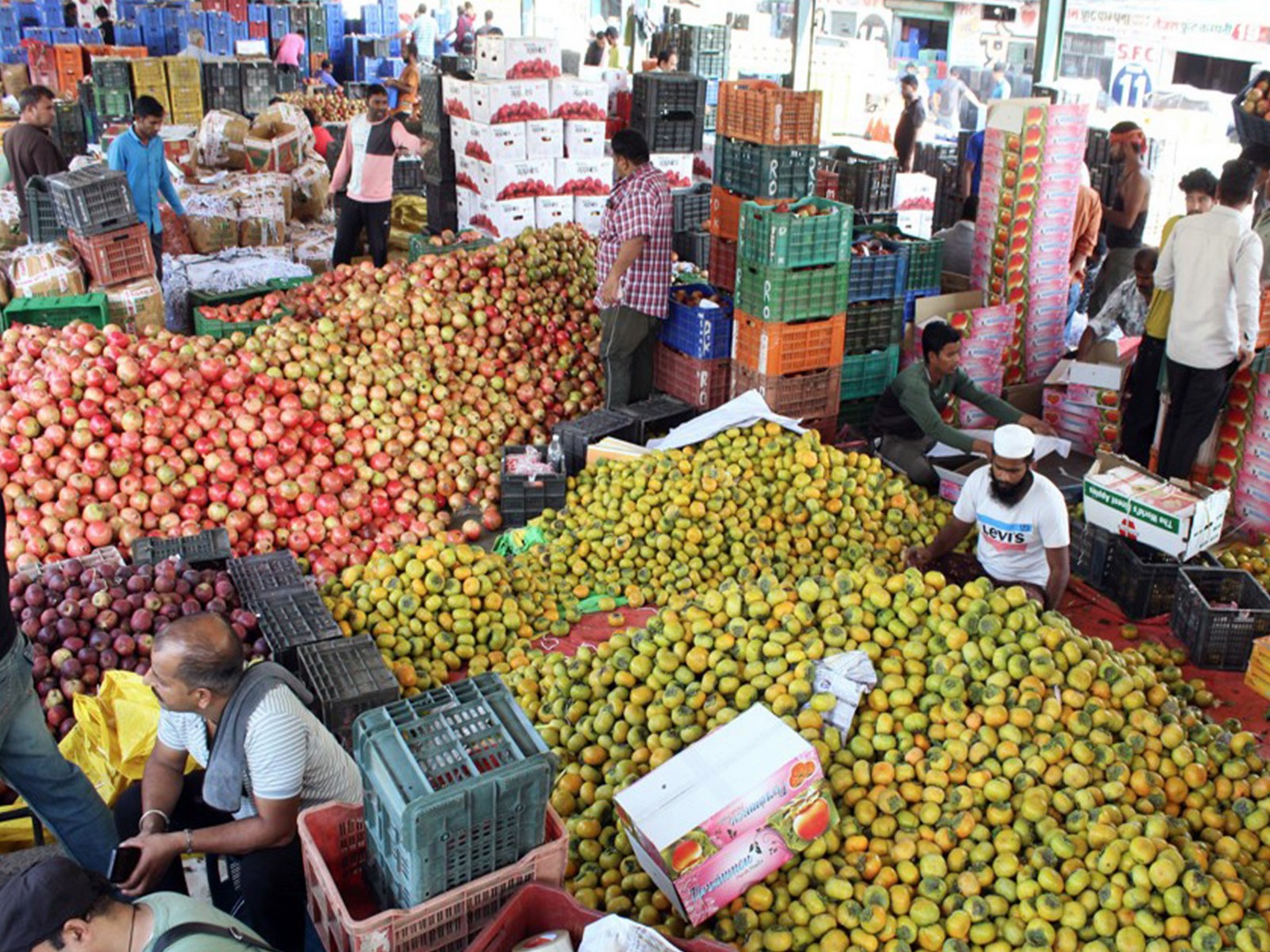
Food inflation has emerged as a major concern. Rural food inflation rose to 8.06 per cent in September from 6.17 per cent in August, while urban food inflation increased to 7.18 per cent from 5.64 per cent. Overall rural inflation climbed to 6.08 per cent from 5.24 per cent, while urban inflation rose to 4.88 per cent from 4.31 per cent.
Economists said food prices, crude oil above USD 100 per barrel, uneven monsoon conditions and rupee depreciation could keep inflation elevated in the coming months.
Aditi Nayar, Chief Economist at ICRA, said, “We expect the CPI inflation to average at ~6.0 per cent in Q3 FY2027, largely in line with the MPC’s estimate for the quarter, before easing slightly thereafter, as the unfavourable base dissipates. However, risks remain tilted to the upside, owing to the sub-par and uneven monsoons, as well as crude oil prices”.
The latest inflation reading comes days after the RBI's Monetary Policy Committee (MPC) raised the policy repo rate by 25 basis points to 5.50 per cent at its October 7 meeting, marking the first rate hike in nearly four years. The central bank also shifted to a calibrated tightening stance as inflation risks increased.
The RBI raised its CPI inflation forecast for the financial year 2026-27 to 5.2 per cent. It projected inflation at 4.9 per cent in the second quarter, 6 per cent in the third quarter and 5.7 per cent in the fourth quarter. For the first quarter of the next financial year, inflation was projected at 5.6 per cent.
The September inflation reading of 5.54 per cent is below the RBI's projected 6 per cent for the December quarter. However, economists said the direction of food, fuel and other prices would remain important in determining whether inflation moves closer to or exceeds the upper tolerance limit.
Radhika Rao, Senior Economist and Executive Director at DBS Bank, said food inflation continued to rise across a broader range of categories, driven by below-normal rainfall, imported price pressures and the impact of fuel prices.
“Fourth-quarter 2026 pressures will be under watch, as a low base, along with higher food, fuel and services inflation, is set to lift headline prints, tracking closer to 6 per cent. A gradual rise in the core gauge aligns with the central bank's view that price risks are no longer benign. In the face of higher headline prints, we expect the RBI to keep the door open for another rate hike in December 2026,” Rao said.
Her assessment suggests that the RBI could consider another increase if inflation remains elevated. However, a December rate hike has not been announced by the central bank.
Sujan Hajra, Chief Economist and Executive Director at Anand Rathi Group, said inflation was likely to remain elevated in the near term, with food prices, crude oil above USD 100 per barrel and rupee depreciation posing risks.
“With the RBI having already raised the repo rate by 25 bps to 5.50 per cent and shifted to a calibrated tightening stance, the inflation trajectory will remain critical,” Hajra said.
He added that upside risks could limit the scope for monetary easing until there was clearer evidence of moderation in underlying and sequential price pressures.