Israeli opposition leader Eisenkot sets conditions for coalition, vows to use Knesset majority to reverse Netanyahu policies
Oct 31, 2026
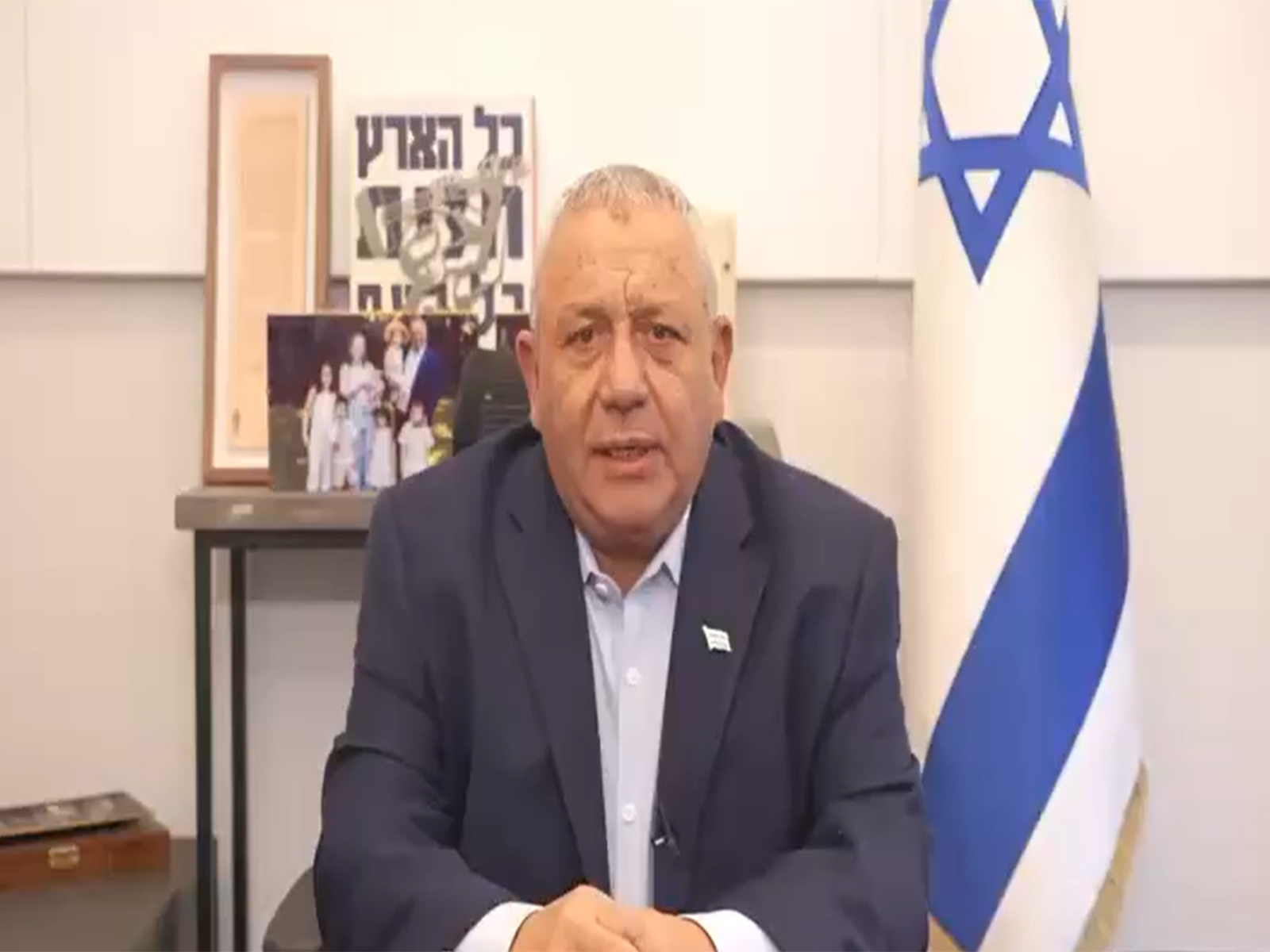
Jerusalem [Israel], November 1 : Gadi Eisenkot, leader of the opposition Yashar party in Israel, has vowed to swiftly exercise the new Knesset’s parliamentary majority, proclaiming that the electorate voted decisively against the administration led by Prime Minister Benjamin Netanyahu.
“No matter how you look at the numbers, a majority of Israeli citizens, by a margin of more than half a million votes, voted against the government of October 7 and draft evasion, and in favour of change,” Eisenkot stated in a formal announcement, committing to rapidly advance legislation to institute a state commission of inquiry examining the security lapses surrounding the Hamas-led onslaught, enact universal conscription and dismantle the judicial restructuring measures implemented by the outgoing cabinet.
“Do not let anyone mislead you: In the State of Israel, it is the Knesset that gives its confidence to the government, not the other way around,” he underscored, maintaining that the electoral outcome remains unequivocal, “even as some are working to cast doubt on it”.
His declarations emerged as Prime Minister Netanyahu and his political partners cast doubt upon Tuesday's electoral tally by alleging foreign interference following the coalition's loss of its legislative majority.
Amid reports suggesting that Netanyahu might initiate a war with Iran to cling to power, Eisenkot cautioned that until a fresh administration takes office, he will endorse military operations “only in cases involving direct and immediate threats against Israel that cannot wait”.
Eisenkot likewise reiterated his goal of establishing a comprehensive "Zionist and statesmanlike government", noting that any parliamentarian prepared to endorse his foundational terms "is a potential partner", whilst emphasising the necessity for an extraordinary endeavour to forestall another election and prevent yet another protracted political impasse.
Expanding on avenues to resolve the ongoing political stalemate, parties within the opposition bloc are reportedly examining potential legislation to introduce direct elections for prime minister, thereby enabling the formation of a minority government without depending on Arab faction backing, according to The Times of Israel.
Under this conceptual framework, voters would elect the premier independently of the wider governing line-up, theoretically circumventing the legislative gridlock arising from Tuesday's inconclusive ballot, which left neither bloc with an outright majority in the 120-member Knesset.
Similar mechanisms were previously floated by Netanyahu following the deadlocked March 2021 elections.
Nevertheless, enacting such a system requires amending Israel's quasi-constitutional Basic Law: The Government, a process demanding the assent of at least 61 lawmakers, given that the statute mandates any prospective administration to secure a formal vote of confidence inside the Knesset before taking office.
Concurrent with these behind-the-scenes parliamentary manoeuvres, civil society demonstrations are scheduled across Israel on Saturday evening.
Organisers from the Standing Together movement announced public rallies at 7:30 pm at Habima Square in Tel Aviv and Paris Square in Jerusalem, alongside gatherings in Beersheba, Haifa and Tayibe.
Demonstrators intend to urge opposition leadership to formally embrace the electoral mandate delivered by the broader change bloc and champion a governance model grounded in Jewish-Arab collaboration.
Tuesday's ballot yielded 67 seats for the opposition, against 53 for the incumbent coalition. However, this total divides into 48 seats held by Zionist factions and 19 secured by Arab non-Zionist parties, presenting a persistent strategic hurdle for anti-Netanyahu leaders.
"Protesters are demanding that the bloc's leaders recognise their victory and form a government based on Jewish-Arab partnership," event organisers stated, adding, "The Jewish-Arab majority that voted for change must also be reflected in the next government. Now is not the time to abandon our partnership, but to turn it into a political force that changes reality. Arab votes are worth exactly as much as Jewish votes, and Arab citizens must be full partners in shaping the country's future."
As political stakeholders weigh coalition frameworks, final certified electoral outcomes are slated for formal submission to Israeli President Isaac Herzog on November 4, following comprehensive audits for potential discrepancies, with the newly elected Knesset scheduled to be sworn in on November 10.