ISRO places NVS-03 satellite in orbit, restores NavIC to minimum operational configuration
Oct 30, 2026
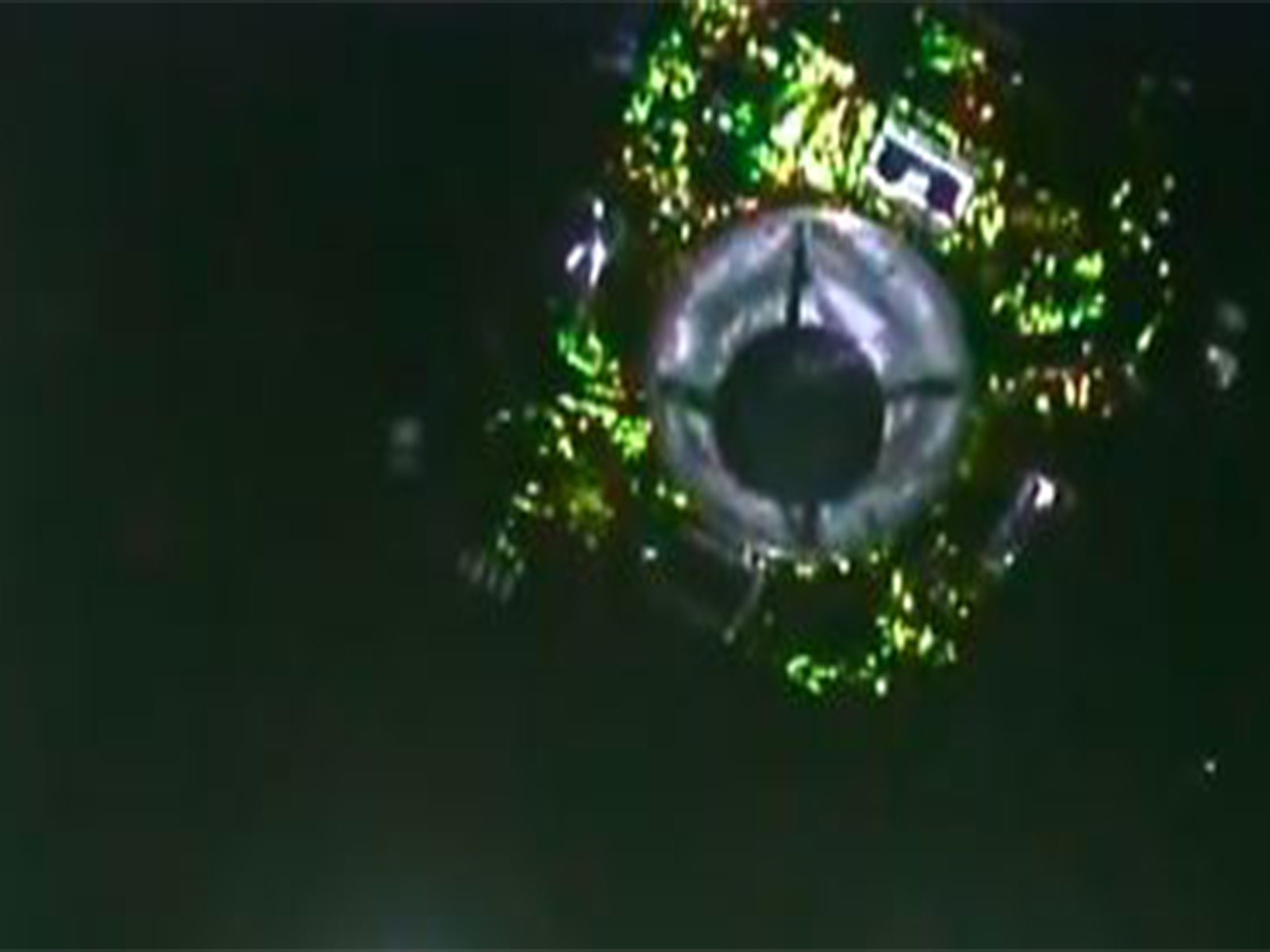
Sriharikota (Andhra Pradesh) [India], October 31 : The Indian Space Research Organisation (ISRO) has successfully placed its next-generation navigation satellite NVS-03 into its intended Geosynchronous Transfer Orbit (GTO), with ISRO Chairman V Narayanan announcing that the launch has restored the NavIC constellation to its minimum operational configuration of four satellites.
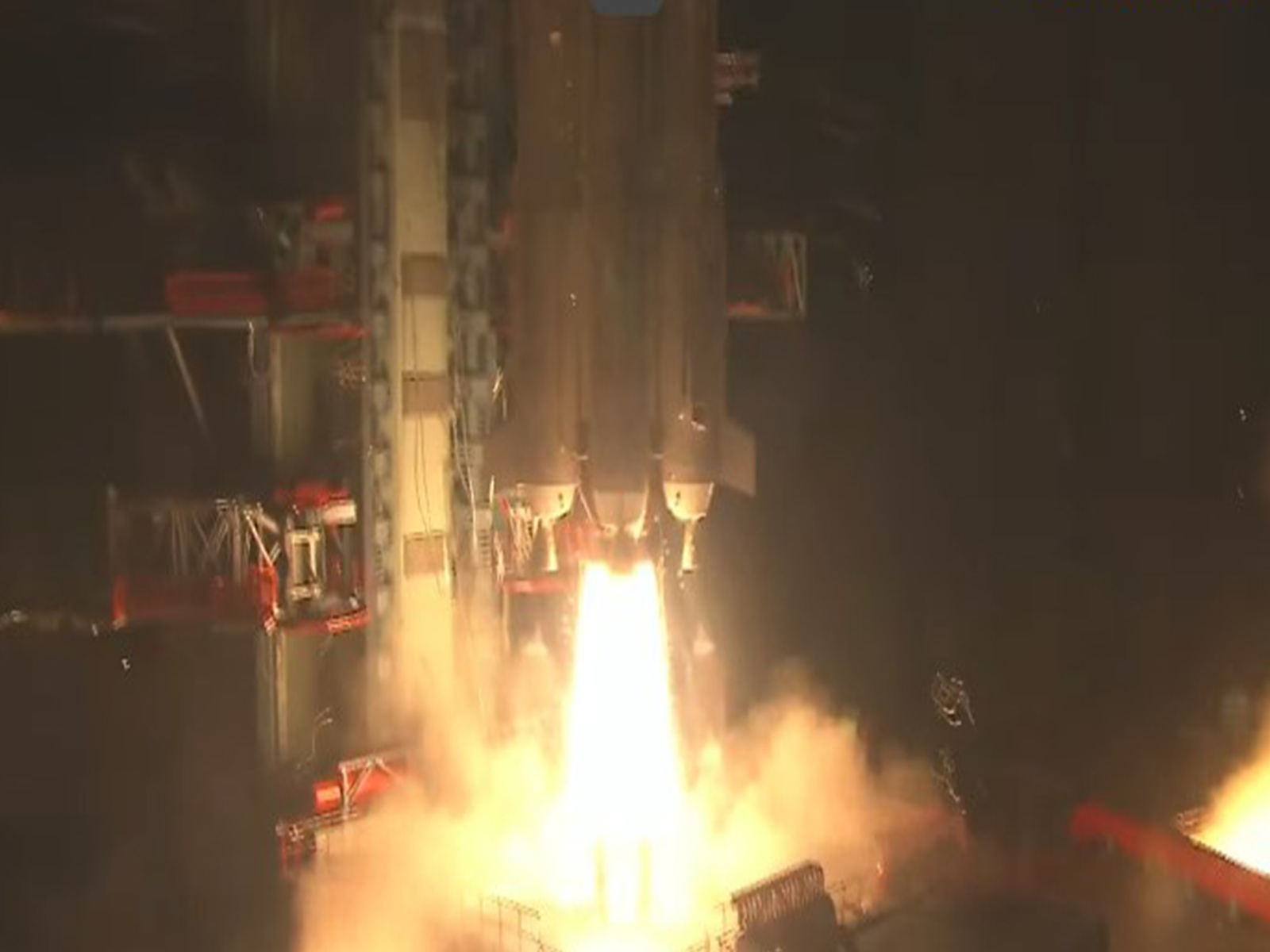
Addressing the gathering after the launch, Narayanan said the 2,250-kg satellite was precisely injected into its intended elliptical orbit by the GSLV-F18 rocket.
He said the mission was accomplished with a turnaround time of just 56 days between successive GSLV missions, the shortest interval achieved so far. Congratulating ISRO's teams, industrial partners and academia, Narayanan said the NavIC constellation was a strategic national asset providing India with independent access to position, navigation and timing services.
"With the success of this launch, the NavIC constellation is restored to the minimum operational configuration with 4 satellites...NavIC constellation is a strategic national asset that provides the nation independent access to position, navigation and timing services. The NavIC satellites are also used for civilian applications," he said.
Union Minister Jitendra Singh also congratulated ISRO on the successful launch of the GSLV-F18/NVS-03 mission.
In a post on X, Singh said the achievement reflected India's growing capabilities in space technology and its commitment to strengthening indigenous navigation capabilities.
"Congratulations Team #ISRO for the successful launch of GSLV-F18/NVS-03 mission! This remarkable achievement reflects India's growing prowess in Space technology and our unwavering commitment to strengthening sovereign indigenous navigation capabilities," Singh said.
He also credited the space reforms introduced by Prime Minister Narendra Modi in recent years for contributing to India's achievements in the sector.
ISRO launched the NVS-03 navigation satellite aboard the GSLV-F18 rocket from the Satish Dhawan Space Centre in Sriharikota.
The satellite is the third in ISRO's next-generation navigation satellite series, envisaged to ensure continuity of navigation services under the Indian Regional Navigation Satellite System (IRNSS).
Narayanan also highlighted the pace of preparations for the mission, saying the launch campaign was completed in 47 days and the four L40 strap-ons were prepared in a record 37 days.
Project Director and Mission Director of GSLV, Thomas Kurian, also highlighted the quick turnaround achieved by the teams.
"It gives me immense happiness and pride to share the success of GSLV-F18/NVS-03 Mission with all of you. This is a special moment for the entire ISRO family and for our country. This GSLV Mission is very special in many ways. We completed the launch campaign in just 47 days and achieved this GSLV launch within 56 days of the previous launch. We also completed the preparation of the four L40 strap-ons within a record time of 37 days," Kurian said.
NVS-03 carries an indigenous atomic clock along with procured atomic clocks. It also incorporates the L1 navigation signal in addition to the existing L5 and S-band signals, expanding NavIC's capabilities.
The system is designed to provide coverage over India's landmass and an area extending 1,500 km beyond its geopolitical boundary, according to ISRO.
Narayanan also said one of the indigenous atomic clocks had been successfully placed in orbit.
He further stated that the EOS-05 geo-imaging satellite, launched aboard the GSLV-F17 on September 4, was functioning as intended and providing data.