Karnataka: All seven taluks in Koppal declared drought-affected; Parameshwara chairs review meeting
Oct 08, 2026
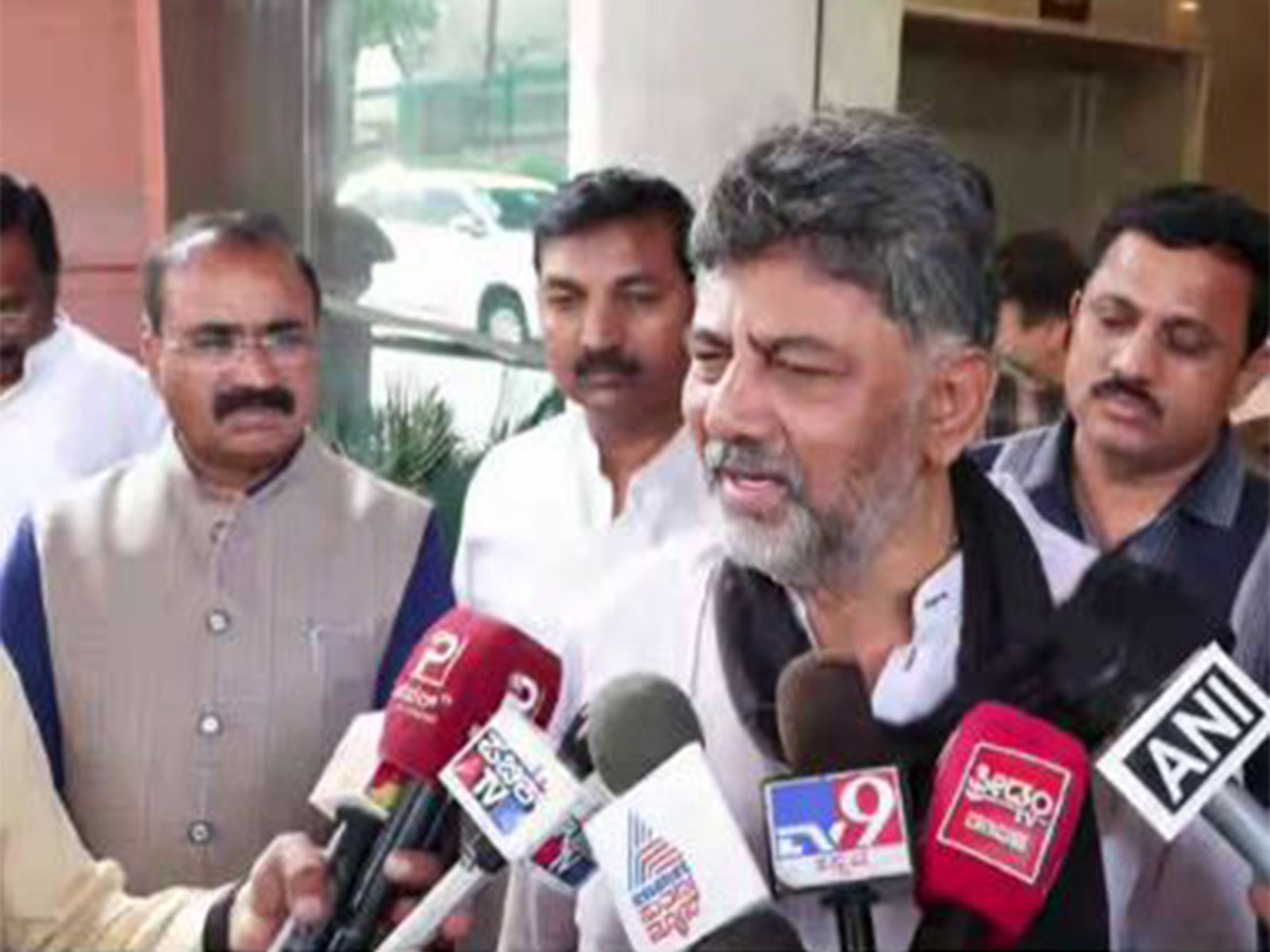
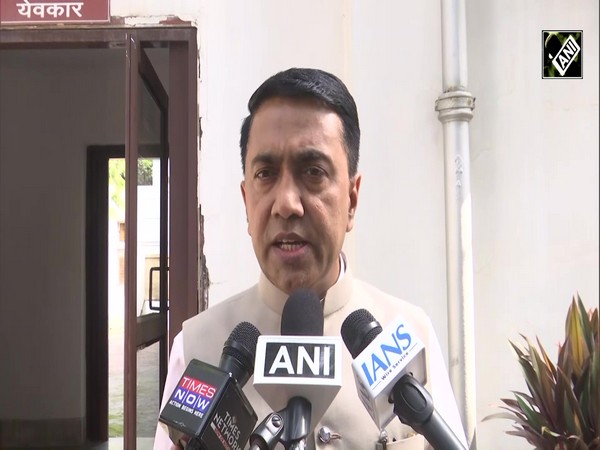
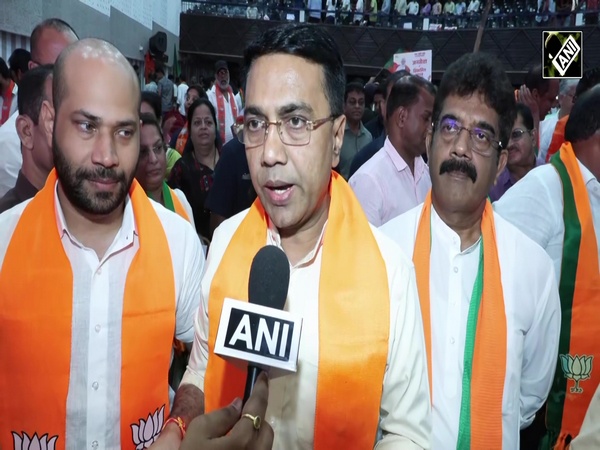
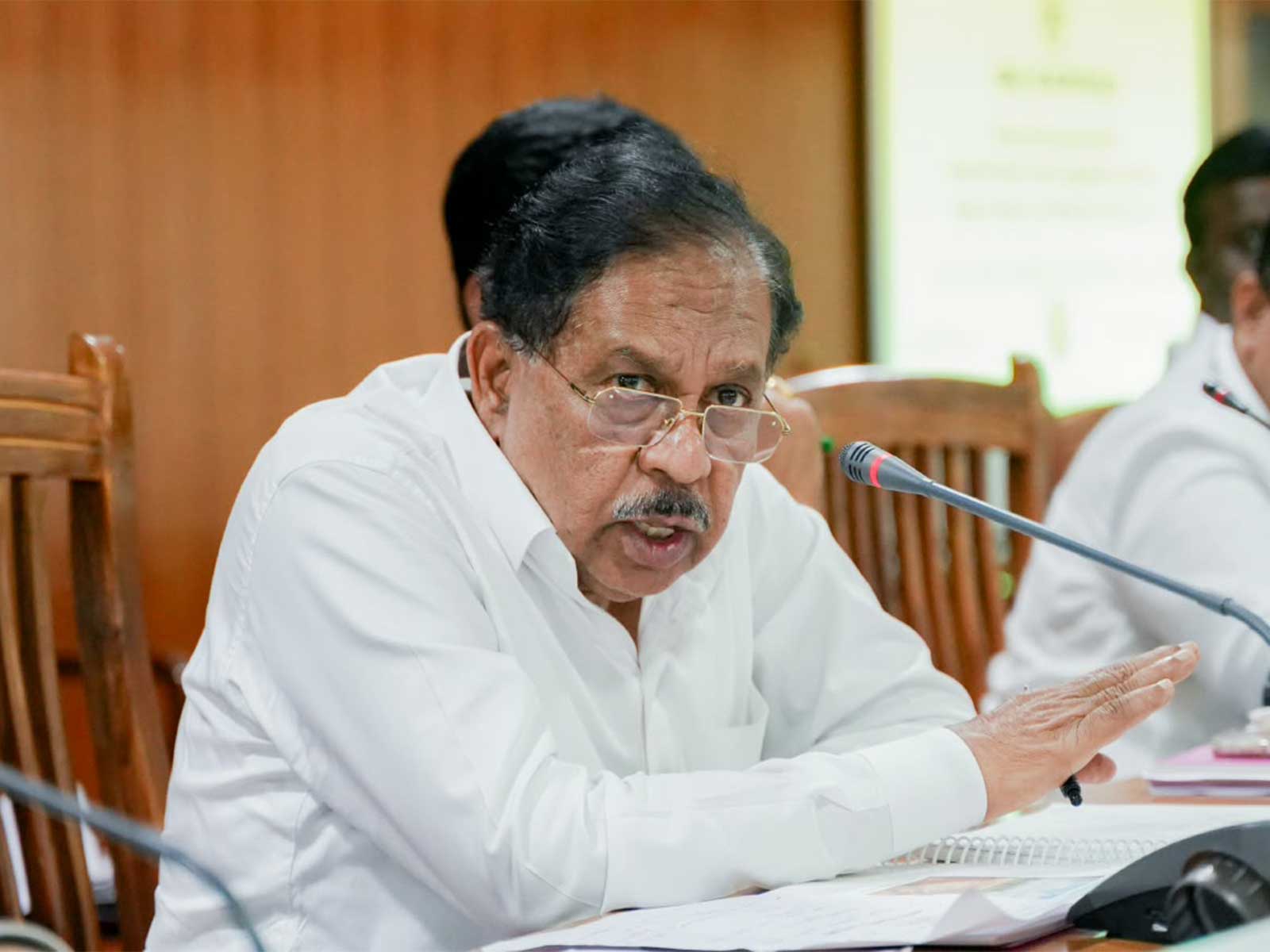
Koppal (Karnataka) [India], October 8 : Karnataka Deputy Chief Minister G Parameshwara on Thursday chaired a progress review meeting at the Koppal Deputy Commissioner’s Office on the drought situation in Koppal and Raichur districts.
According to a press release, during the meeting, Parameshwara reviewed the rainfall deficit, crop damage, drinking water availability, fodder stocks, crop insurance, agricultural loans, employment generation and health services in Koppal district.
Koppal district recorded a 45 per cent rainfall deficit during the monsoon season. Kanakagiri taluk recorded a deficit of 44 per cent, Gangavathi 71 per cent, and Karatagi 60 per cent. Continuous dry spells lasting between three and six weeks from June to September severely affected agricultural activity, he said.
Field inspections of crop damage conducted in 37 villages confirmed that more than 50 per cent crop loss had occurred in 99 per cent of the sample plots. In view of this, all seven taluks in the district have been declared drought-affected.
The district had targeted sowing across 3,49,892 hectares during the monsoon season. Of this, sowing was completed across 3,14,055 hectares, or 90 per cent. However, due to deficient rainfall, agricultural and horticultural crops including maize, tur, pearl millet and onion were damaged across 3,02,664 hectares, as per the release.
Officials informed in the meeting that the total crop loss in the district is estimated at around Rs 2,174.55 crore, and a report has been submitted seeking Rs 289.45 crore in input subsidy for farmers as per Government norms.
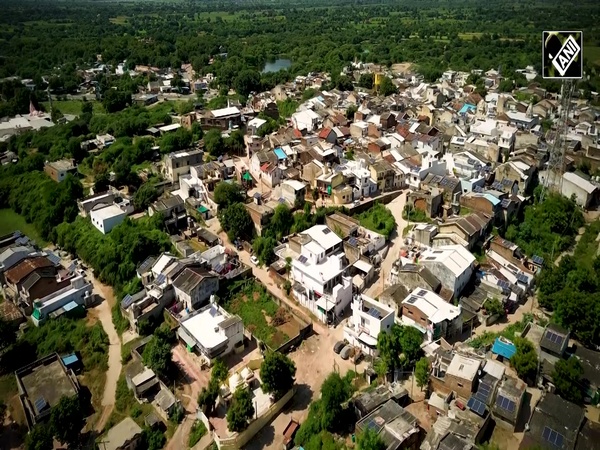
Groundwater levels in Koppal district have declined by between 1.51 metres and 3.95 metres. Of the 131 tanks under the Minor Irrigation Department, 14 have completely dried up, while only 21 tanks have water storage ranging between 51 per cent and 99 per cent. The drinking water situation may become more serious in the coming months, the Deputy Chief Minister said.
A total of 109 Gram Panchayats in the district are expected to face water shortages during summer. Already, 55 private borewells have been hired in rural areas. Under the Task Force, 358 drinking water works have been approved, of which 91 are still in progress. Officials were instructed to complete the pending works quickly.
The government is also considering providing an additional Rs 1 crore each to districts in the next phase for drinking water arrangements. Officials were directed to prepare a comprehensive action plan in advance to ensure that neither rural nor urban areas face drinking water shortages.
An amount of Rs 5 crore has already been provided to the district for urgent drinking water requirements. The funds must be used carefully and priority must be given to drinking water needs of people and livestock, he said.
Adequate funds are available in the Deputy Commissioner’s disaster-management PD accounts. Officials were strictly instructed not to delay drinking water or other emergency relief works on the pretext of waiting for further funds and to immediately utilise available resources in accordance with Government guidelines.
Officials of the Animal Husbandry Department informed the meeting that Koppal district currently has around 4.53 lakh tonnes of fodder, sufficient for approximately 30 to 31 weeks. However, since a fodder shortage may arise after December, Dr Parameshwara directed officials to make necessary preparations in advance.
The market price of dry fodder has increased to around Rs 7,000 per tonne. Compared with last year, the number of farmers selling livestock has increased by 34.56 per cent this year due to fodder shortages and financial distress. This is a matter of concern, and steps must be taken to ensure farmers are not forced to sell their livestock, he said.
The district has received 15,838 fodder seed kits, and distribution is underway. Eligible farmers who own livestock and have irrigation facilities should be provided fodder seed mini-kits properly, he directed.
The State government has already released Rs 25 crore to the Animal Husbandry Department for distribution of fodder seed kits. These funds must be utilised effectively to promote fodder cultivation. If necessary, steps should also be taken to open cattle shelters or fodder banks, he said.
The Deputy Commissioner and Zilla Panchayat CEO were directed not to rely only on reported fodder-stock figures, but to have their teams physically verify the actual availability on the ground.
Officials must also ensure drinking water, fodder, veterinary services and timely vaccinations for livestock. Farmers with borewells and other water sources should be encouraged to grow fodder.
A total of 1,56,013 farmers in Koppal district have enrolled under the crop insurance scheme this year, representing an increase of 158 per cent compared with last year, Agriculture Department officials informed the meeting.
According to the release, maize, tur and green gram are among the major crops insured in the district. Under Mid-Season Adversity and Prevented Sowing provisions, around 1.53 lakh beneficiaries are expected to receive 25 per cent advance crop insurance compensation amounting to around Rs 160.06 crore.
Higher insurance compensation is expected in Kushtagi and Koppal taluks. Farmers growing mango, pomegranate and chilli have also enrolled under the weather-based crop insurance scheme.
Parameshwara directed officials to coordinate with insurance companies and ensure that eligible farmers receive compensation at the earliest. He warned that middlemen collecting money from farmers on the pretext of securing crop insurance payments would not be tolerated under any circumstances.
Those demanding a percentage of farmers’ compensation or collecting money illegally must be identified and subjected to legal action. Officials must ensure that compensation legitimately due to farmers reaches them without obstruction.
The district has 2.64 lakh agricultural loan accounts, with outstanding loans amounting to Rs 4,299.24 crore. Based on severe and moderate drought conditions, farmers have been provided a 12-month moratorium on loan repayment, along with a facility to extend repayment tenure from 36 months to 60 months. Officials were directed to coordinate with banks and ensure that eligible farmers receive these benefits.
The Deputy CM also warned that coercive loan recovery or mental harassment of poor people and farmers by microfinance and small-loan institutions would not be tolerated. If such incidents recur during the drought, action will be taken against those responsible without hesitation, he said.
With agricultural activity affected by drought, migration of rural people in search of employment has become a serious concern. Officials were directed to create employment locally so that people are not forced to leave their villages and their livelihoods are protected.
Under the employment guarantee programme, 12.69 lakh person-days of employment were generated in Koppal district between July and September, showing higher progress compared with last year, officials informed.
Asset-creation works such as farm ponds, tank development and cattle sheds are progressing well in rural areas. Such works should be implemented more effectively to provide employment to a larger number of workers, he said.
Deputy Commissioners and Zilla Panchayat CEOs were directed to take special interest and create rural employment through available schemes, including VB-G RAM G, to prevent distress migration.
There must be no delay in wage payments to workers. Steps should be taken to ensure that wages are paid within a week wherever possible. Officials have a responsibility not only to provide work but also to ensure timely payment for the work completed, he said.
Since January 2026, Koppal district has reported 47 dengue cases and 10 chikungunya cases. The Health Department, local bodies and Gram Panchayats were directed to coordinate closely and strengthen disease-control measures.
Parameshwara said coordination between the district administration and different departments is critical in drought management. Officials must not remain confined to offices preparing reports. They should regularly visit the field and understand people’s problems first-hand.
Deputy Commissioners, Zilla Panchayat CEOs and district-level officials of all departments were directed to visit drought-affected villages and farmers’ fields. Farmers should be guided on alternative crops, while efforts must be made to resolve problems relating to drinking water, fodder, employment, electricity and health services at the local level itself.
No excuses should be given when it comes to supplying adequate electricity to farmers. Officials must coordinate and resolve technical or administrative problems relating to electricity supply and ensure that agricultural activities receive the required power.
Meetings of the Task Force and District Disaster Management Authority should be held regularly. Weekly reports on the progress and problems of all departments should be obtained and shared with the District In-charge Minister. Officials must remain in continuous coordination and respond immediately during emergencies, he directed.