"Ladakh inseparable from India": Former LAHDC CEC condemns China's remarks, calls for renaming Aksai Chin as 'Aksai Hind'
Oct 20, 2026
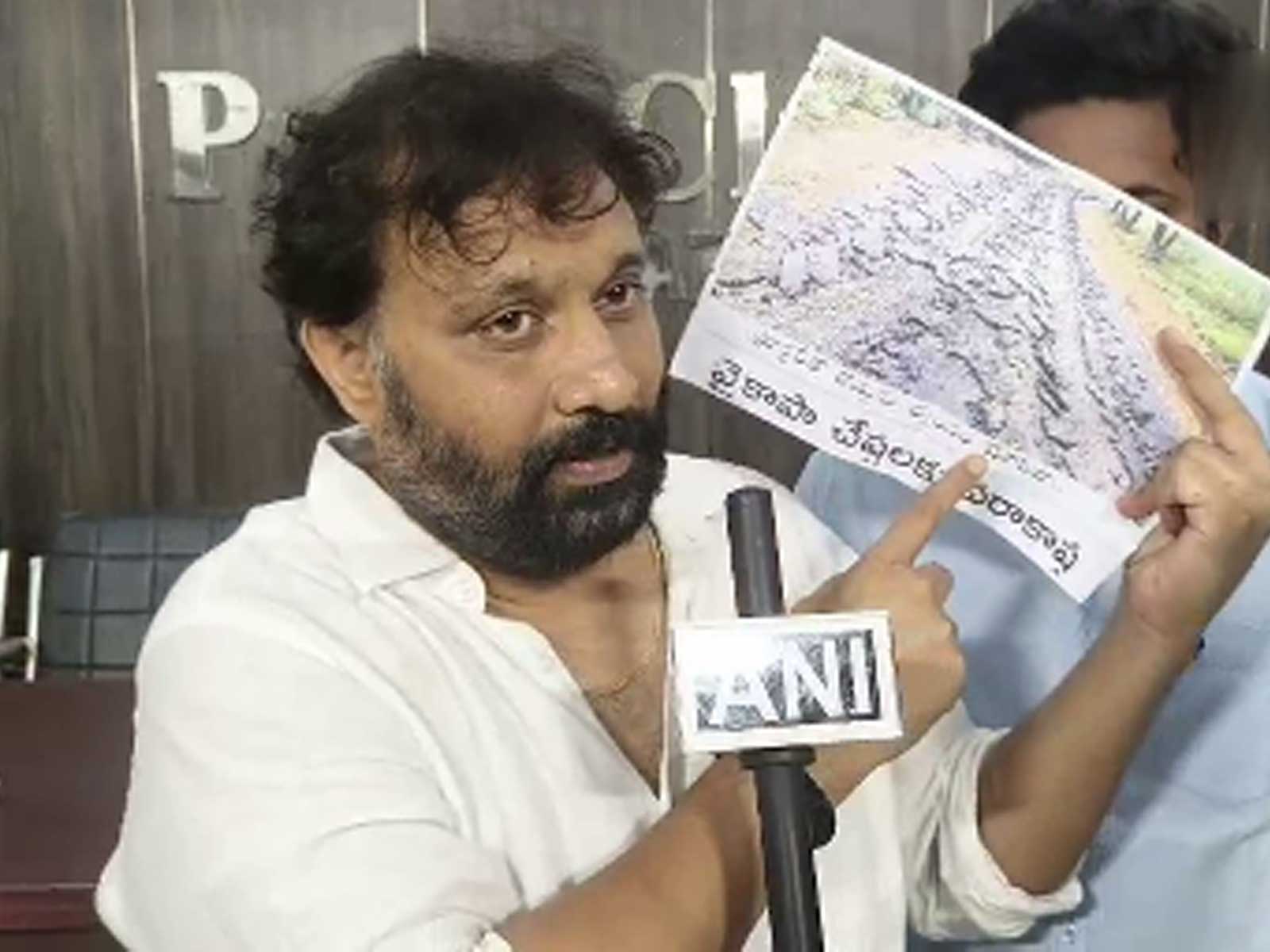
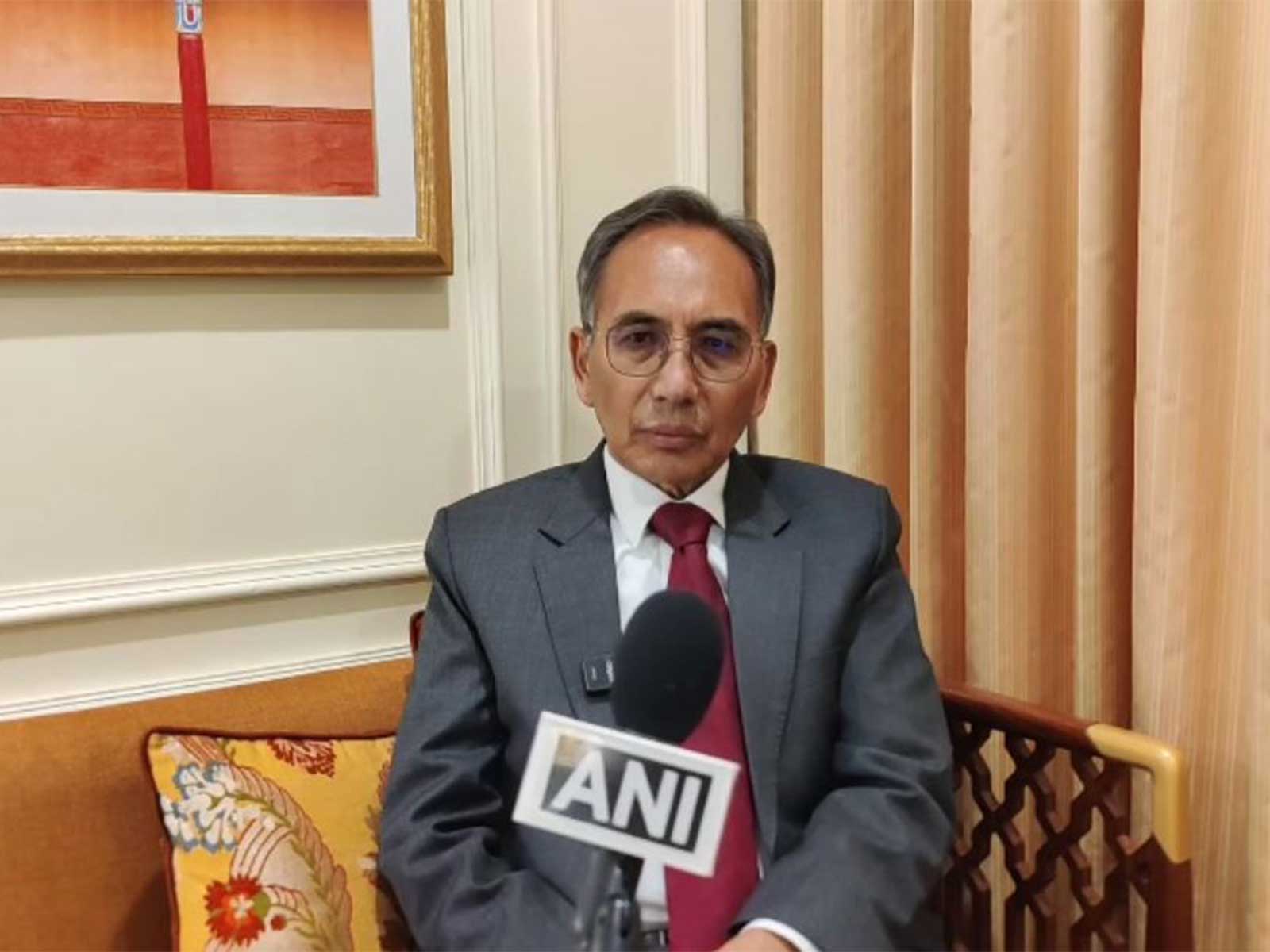
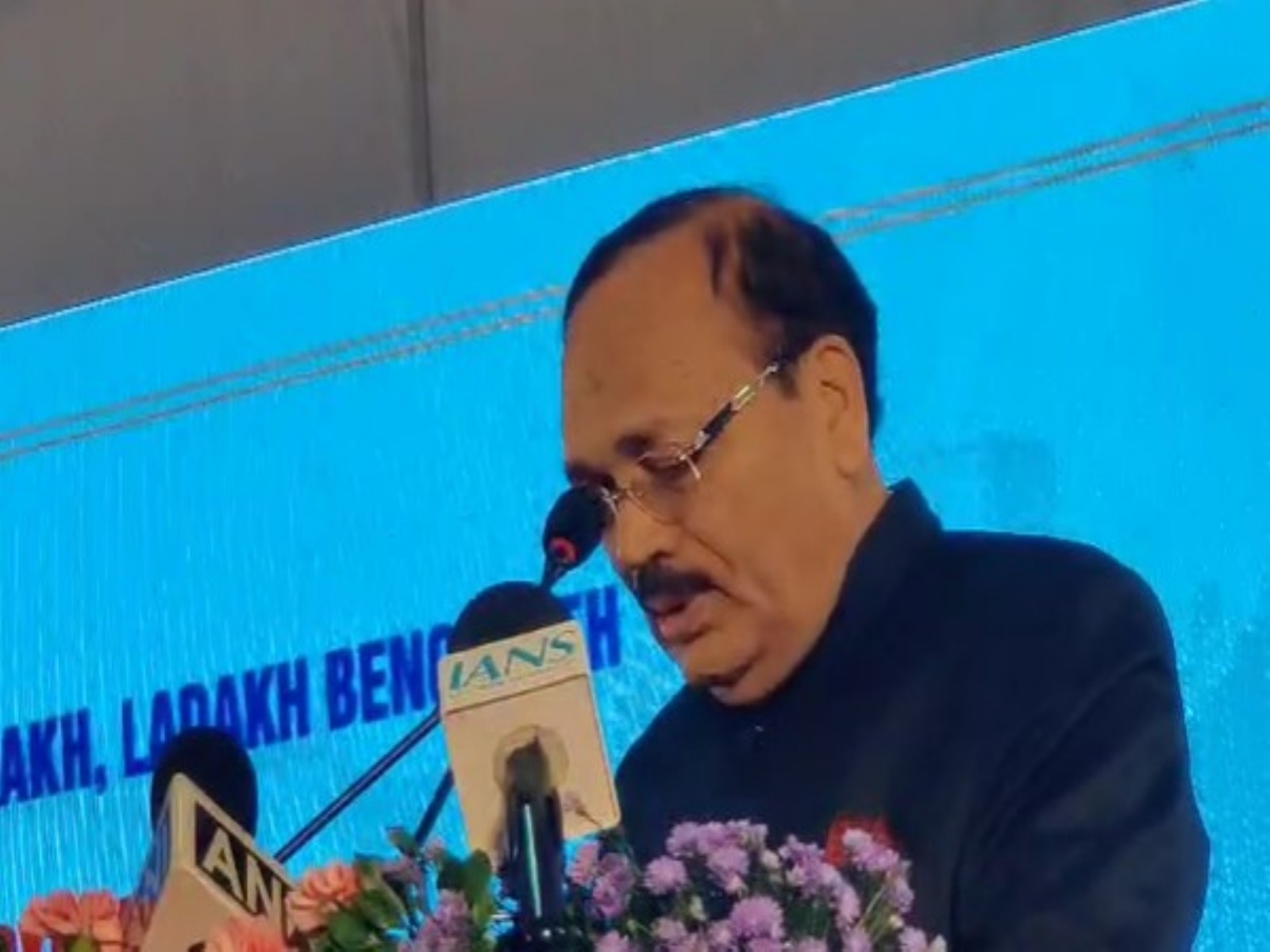
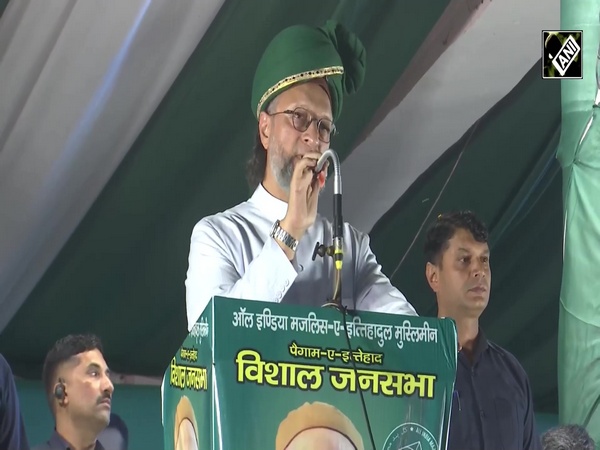
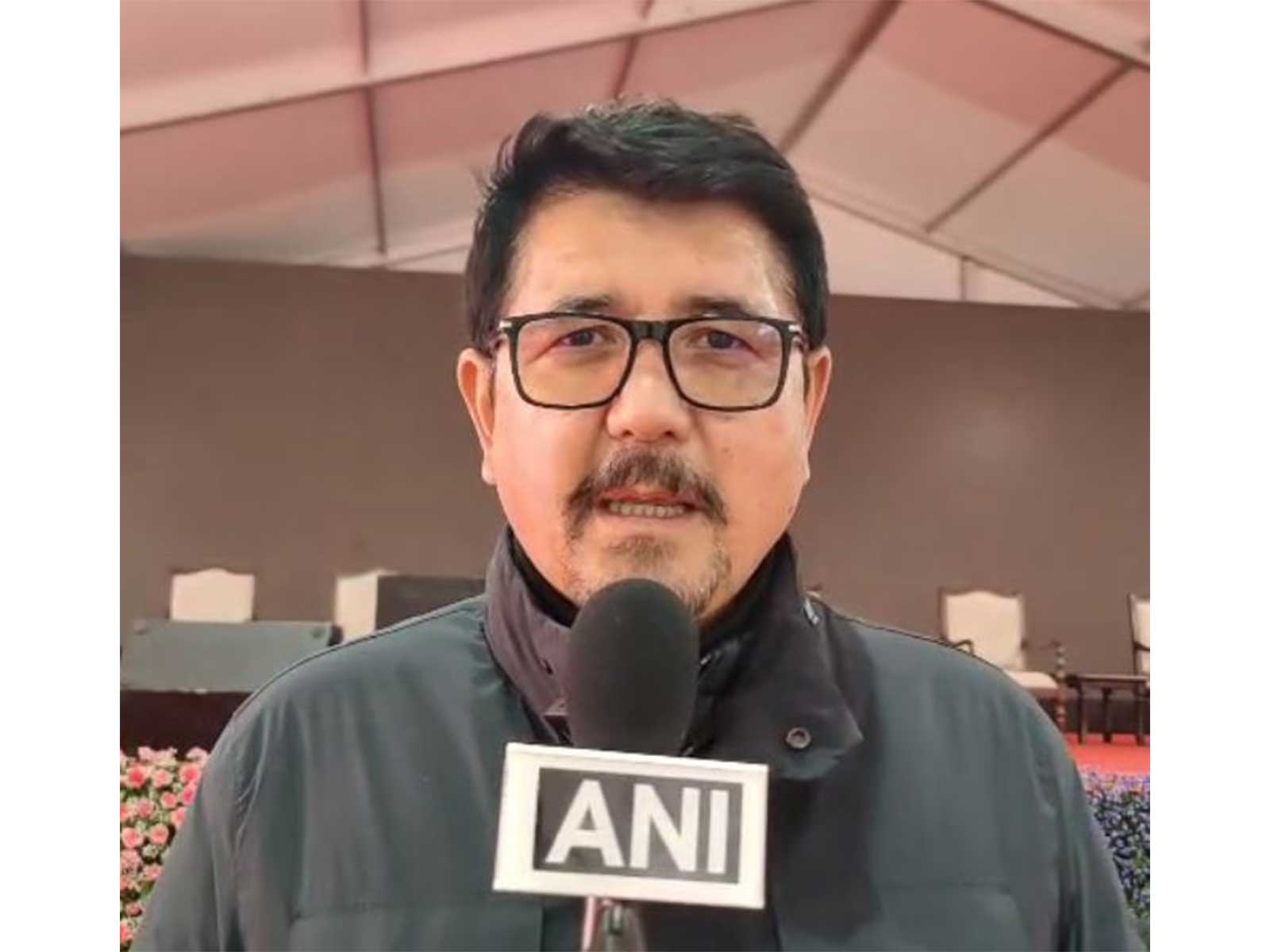
Leh (Ladakh) [India], October 20 : Former Chief Executive Councillor (CEC) of the Ladakh Autonomous Hill Development Council, Leh, Tashi Gyalsan, on Sunday strongly condemned China's objection to India's Union Territory status for Ladakh and called on the Centre to rename the territory occupied by China as 'Aksai Hind' instead of 'Aksai Chin'.
Reacting to Chinese Foreign Ministry spokesperson Mao Ning's statement that Beijing does not recognise the so-called Union Territory of Ladakh, Gyalsan said Ladakh had always been an integral and inalienable part of India and could never be separated from the country.
"We strongly condemn this. Ladakh has always been an integral and inalienable part of India, and Ladakh can never be separated from India," Gyalsan told ANI.
He accused China of occupying another country's territory while making claims over Ladakh and urged Beijing to remain within its limits.
"They themselves are occupying another nation's land, and today they are trying to cast an evil eye on Ladakh as well. The Government of India has already given a response to that. I would just like to say that they should stay within their limits," he said.
Gyalsan also urged the Government of India to stop referring to the territory occupied by China as Aksai Chin and instead call it Aksai Hind.
"I would like to request the Government of India that we should now stop referring to it as 'Aksai Chin'. It should no longer be known by the name 'Aksai Chin'. This disputed territory, our territory which China is occupying, is ours; it is part of India. This is not Aksai Chin; it should now be called 'Aksai Hind'," he said.
"The Chinese keep making baseless statements like this. We strongly condemn this," Gyalson added.
The remarks come amid a diplomatic exchange between India and China following Beijing's objections to India's recent decision to standardise the names of 28 geographical locations and features in Ladakh on official maps.
Chinese Foreign Ministry spokesperson Mao Ning said Beijing had never recognised the Union Territory of Ladakh, alleging that it had been established unilaterally and illegally by India.
"China has never recognised the so-called 'Union Territory of Ladakh' unilaterally and illegally established by India and firmly opposes India's announcement of so-called standard names. The move is illegal and invalid and cannot change the fact that the relevant areas in the western sector of the China-India boundary have always belonged to China," Mao said, as quoted by Global Times.
Responding to the Chinese statement, Ministry of External Affairs (MEA) spokesperson Randhir Jaiswal reiterated India's position that Ladakh was an integral part of the country and said Beijing's objections could not alter this fact.
"It is reiterated that the UT of Ladakh is an integral and inalienable part of India. No amount of denial by the Chinese side can change this fact," Jaiswal said.
The MEA also clarified that the naming exercise covered 28 places and geographical features within Ladakh and was carried out in consultation with the Union Territory administration and local stakeholders.
According to the MEA, the standardised names have been incorporated into official Survey of India maps to facilitate accurate identification of the locations and improve public awareness.
The updated names were formally adopted on October 2 and include strategically significant locations along the Line of Actual Control (LAC), including Gogra and Hot Spring, which were among the key friction points during the 2020 military standoff between India and China following clashes near Pangong Lake.
Other locations and geographical features included in the exercise are Alisha Giri, Brangsa, Chapchingal Pass, Kanishka Peak, Karun Pir Mountain, Kuksel, Martand Giri, Parpik Glacier, Skamri Glacier, Shachmirik Pass, Shkorga Valley, Zorawar Peak, Dehra Compass, Drak Karpo, Jolmori, Kumarayana Point, Panglung, Rinchen Zangpo, Sakyasri Giri, Guru Rinpoche, Shamal Lungpa, Yangpa River, Marpa Lotsava Ri, Milarepa Kangri, Shiva Ri and Maheshwara Ri.