"Leader who raised his voice to uphold farmer, worker rights": Mallikarjun Kharge remembers Sir Chhotu Ram on his birth anniversary
Nov 24, 2026
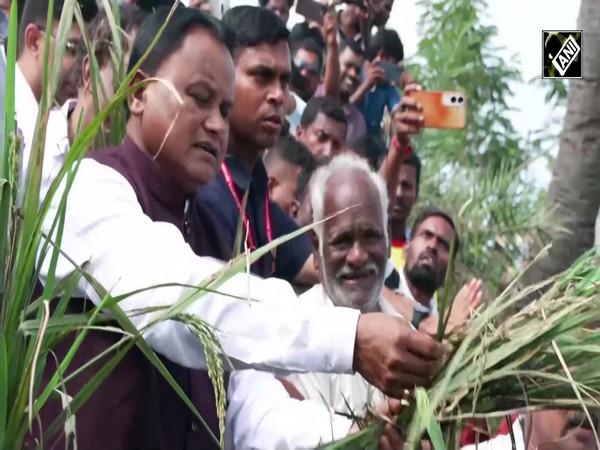
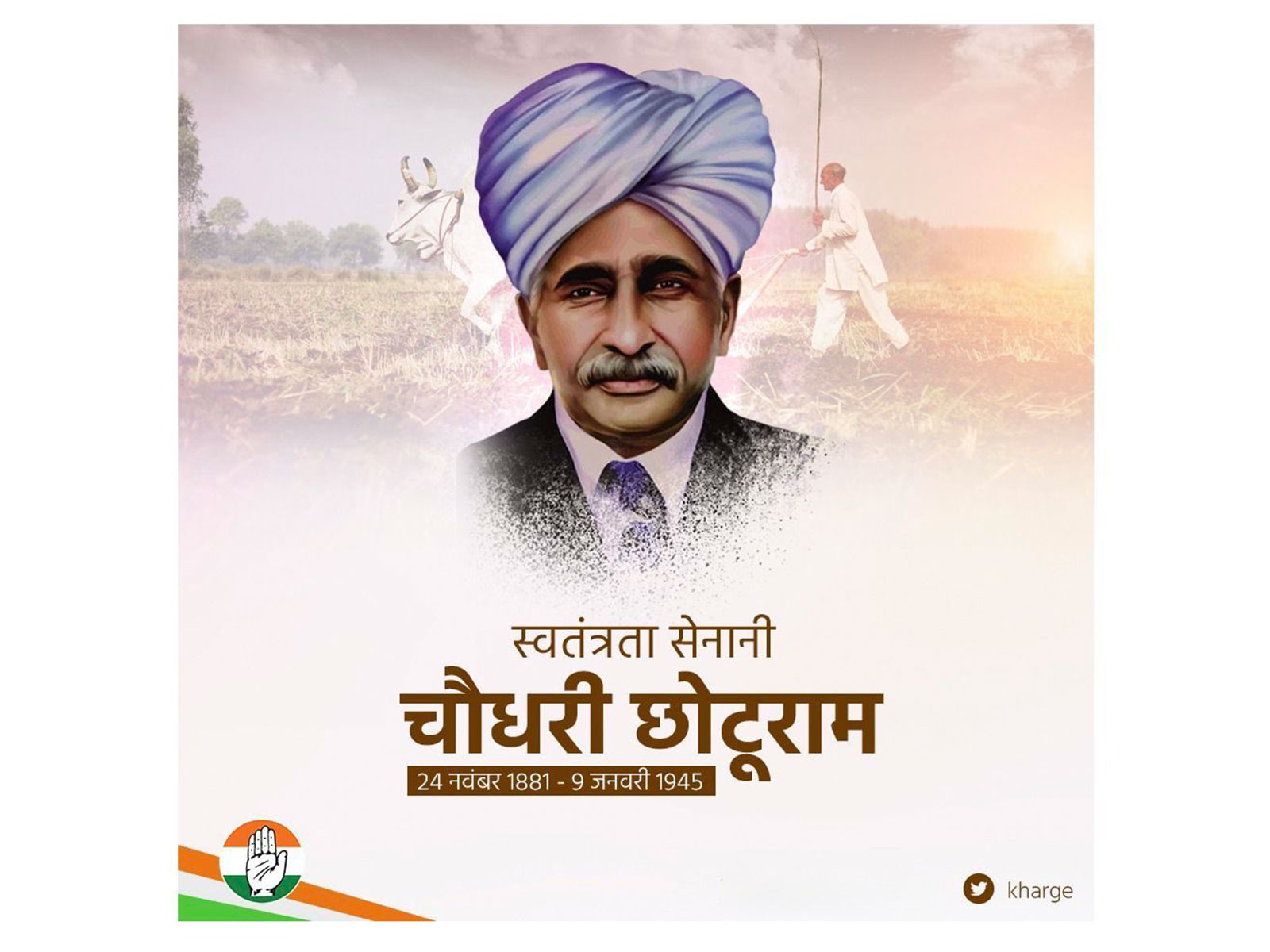
New Delhi [India], November 24 : Indian National Congress President and Leader of the Opposition in the Rajya Sabha, Mallikarjun Kharge on Tuesday posted in memory of Sir Chhotu Ram, one of Punjab’s and British India’s tallest farmer leaders from the pre-Independence era.
“On the birth anniversary of Deenbandhu Chaudhary Chhotu Ram Ji, the great leader who raised his voice against British rule to uphold the rights of farmers and workers who feed the nation, and who fought throughout his life to protect their interests and dignity during the freedom struggle, we pay our humble respects,” the Congress leader posted on X.
Chhotu Ram was born as Ram Richpal Ohlyan on November 24, 1881 in the Rohtak district of then undivided British Punjab (today’s Haryana) into a Hindu Jat family of farmers.
According to his biography Sir Chhotu Ram: Life and Times (published in 1981 by D C Verma, who worked with the leader), Ram was a great crusader for the cause of the exploited rural people and by his many achievements left a mark on his times.
“Chhotu Ram belongs to the first half of the twentieth century when the country saw the great struggle for national independence. Chhotu Ram died just before India became free but nobody can deny that through the Unionist Party which he had founded jointly with Sir Fazl-i-Hussain, another great leader of rural people, he worked to strengthen the roots of national unity. His bold stand against the partition of the country would go down in history as a matter of pride and his name would always be remembered with respect,” writes M S Randhawa in the foreword to Verma’s book.
The Unionist Party ruled British Punjab from 1923–1947 and represented rural landlords, farmers, and cross-community interests across Muslims, Hindus, and Sikhs. Ram and Fazl-i-Hussain, along with Chaudhary Lal Chand, were its founding trio.
“Chhotu Ram was a man of strong convictions on which he never compromised. He was prominent in public life for more than two decades. He was a minister in the Punjab Government from 1924 to 1926 and again from 1937 to 1945,” continues Randhawa.
“As an administrator, parliamentarian and leader of the rural masses, he occupied an unrivalled position. Amongst his many achievements will be remembered his long and sustained campaign for the uplift of the backward sections of the society'. The agrarian laws of the Unionist Government of Punjab which were considered by all progressive thinkers, as pioneering measures, were the result of his thinking and initiative,” concludes Randhawa.
Sir Chhotu Ram died on January 9, 1945.