Luxury Cars, Scotch among UK goods set to get cheaper under India-UK trade deal
Jul 15, 2026
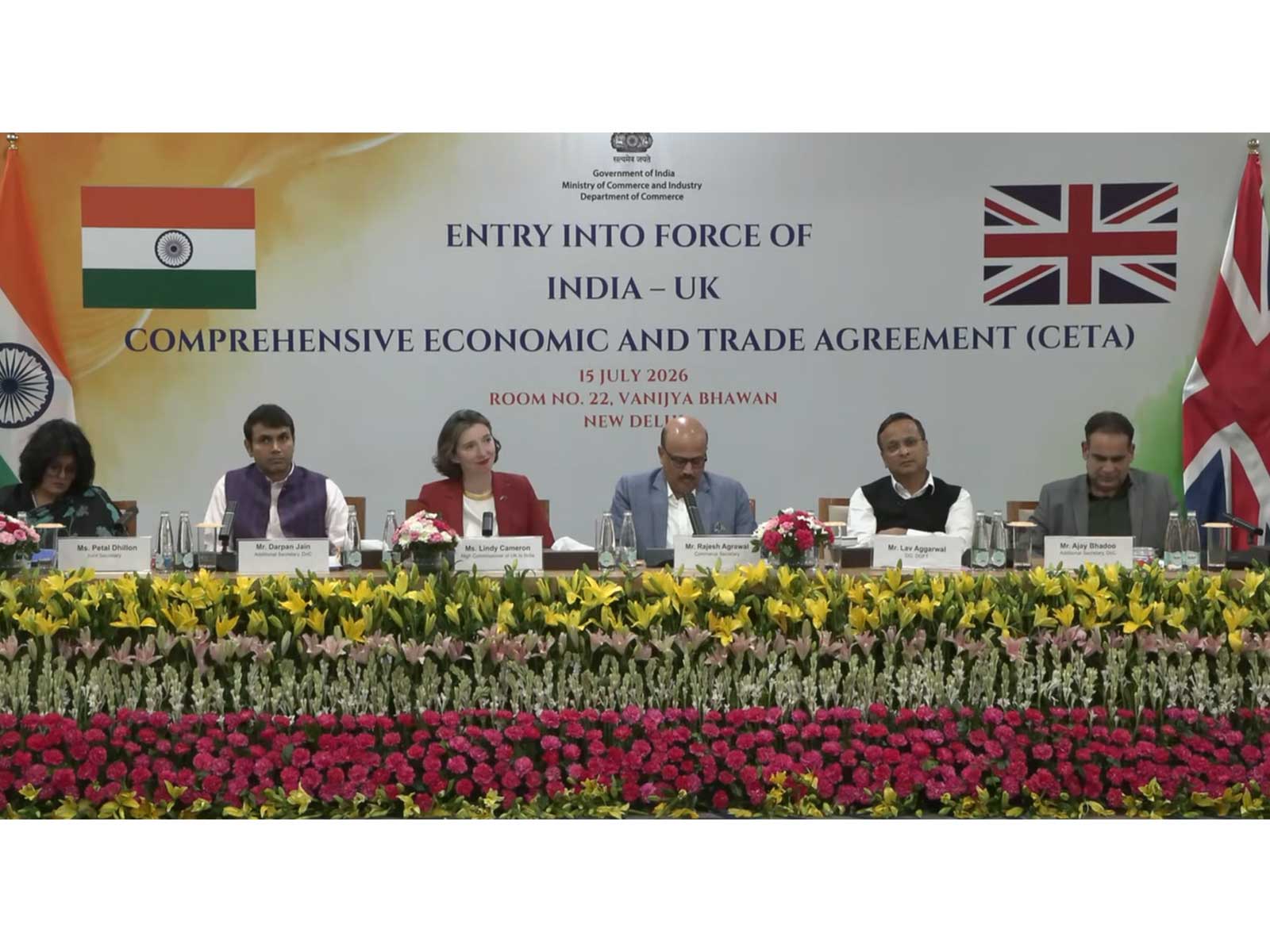
New Delhi [India], July 15 : The India-UK Comprehensive Economic and Trade Agreement (CETA), is expected to make a wide range of products cheaper for consumers in both countries by reducing or eliminating customs duties, while a limited set of imported goods may continue to remain expensive or see little change due to tariff exclusions and phased implementation.
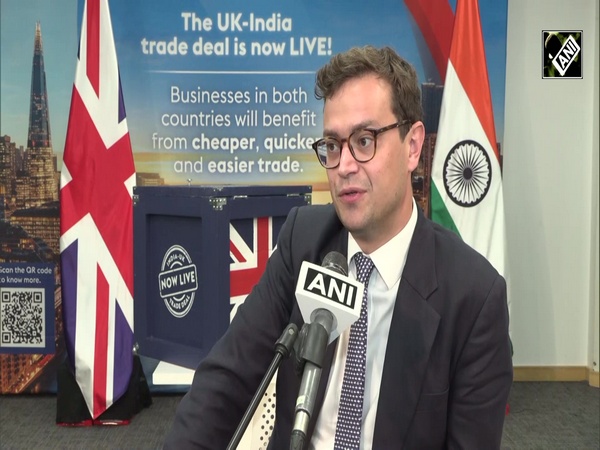
The agreement, implemented from Wednesday, aims to boost bilateral trade between India and the United Kingdom by improving market access across goods and services.
Under the pact, India will reduce tariffs on a large number of British products over a phased period, while the UK will eliminate tariffs on almost all Indian exports.
Among the products that are expected to become cheaper in India are premium Scotch whisky and gin, as import duties on these products will be reduced in phases.
The tariff on whisky, currently 150 per cent, will be brought down to 75 per cent initially and further reduced to 40 per cent over the next decade, making imported British spirits more affordable.
Luxury automobiles manufactured in the UK are also expected to become less expensive. Import duties on a specified quota of British cars are set to decline gradually, potentially lowering prices of brands such as Jaguar Land Rover, Bentley, Aston Martin and Rolls-Royce.
Consumers may also benefit from lower prices on select British food and beverage products, including chocolates, biscuits, salmon, lamb, soft drinks and speciality packaged foods, as customs duties are eased under the agreement.
Certain cosmetics, medical devices and industrial machinery imported from the UK could also become more competitively priced over time.
On the export front, Indian products are expected to gain significantly from duty-free access to the UK market. Labour-intensive sectors such as textiles and garments, footwear, leather products, gems and jewellery, marine products, engineering goods, auto components, organic chemicals and processed food are likely to become more competitive, improving export opportunities for Indian manufacturers.
The agreement could also encourage greater investment and strengthen supply chain integration between the two economies.
However, not every imported British product will become cheaper immediately. Several sensitive agricultural products, dairy items and other protected sectors have been kept outside the tariff reduction commitments or are subject to safeguards, meaning prices for these products are unlikely to witness significant changes.
Similarly, for products where tariff reductions are phased over several years or linked to import quotas, any decline in retail prices is expected to be gradual rather than immediate.
Final consumer prices will also depend on factors such as freight costs, exchange rate movements, domestic taxes and retailer pricing strategies.
While cheaper imports may benefit consumers, the broader objective of the agreement is to expand two-way trade, create employment through higher exports and attract greater investment. The long-term impact on prices will depend on the pace of tariff implementation and the extent to which businesses pass on the benefits of lower import duties to consumers.