"Message that injustice will be avenged": Uttarakhand CM Dhami pays tribute to Shaheed Udham Singh
Jul 31, 2026
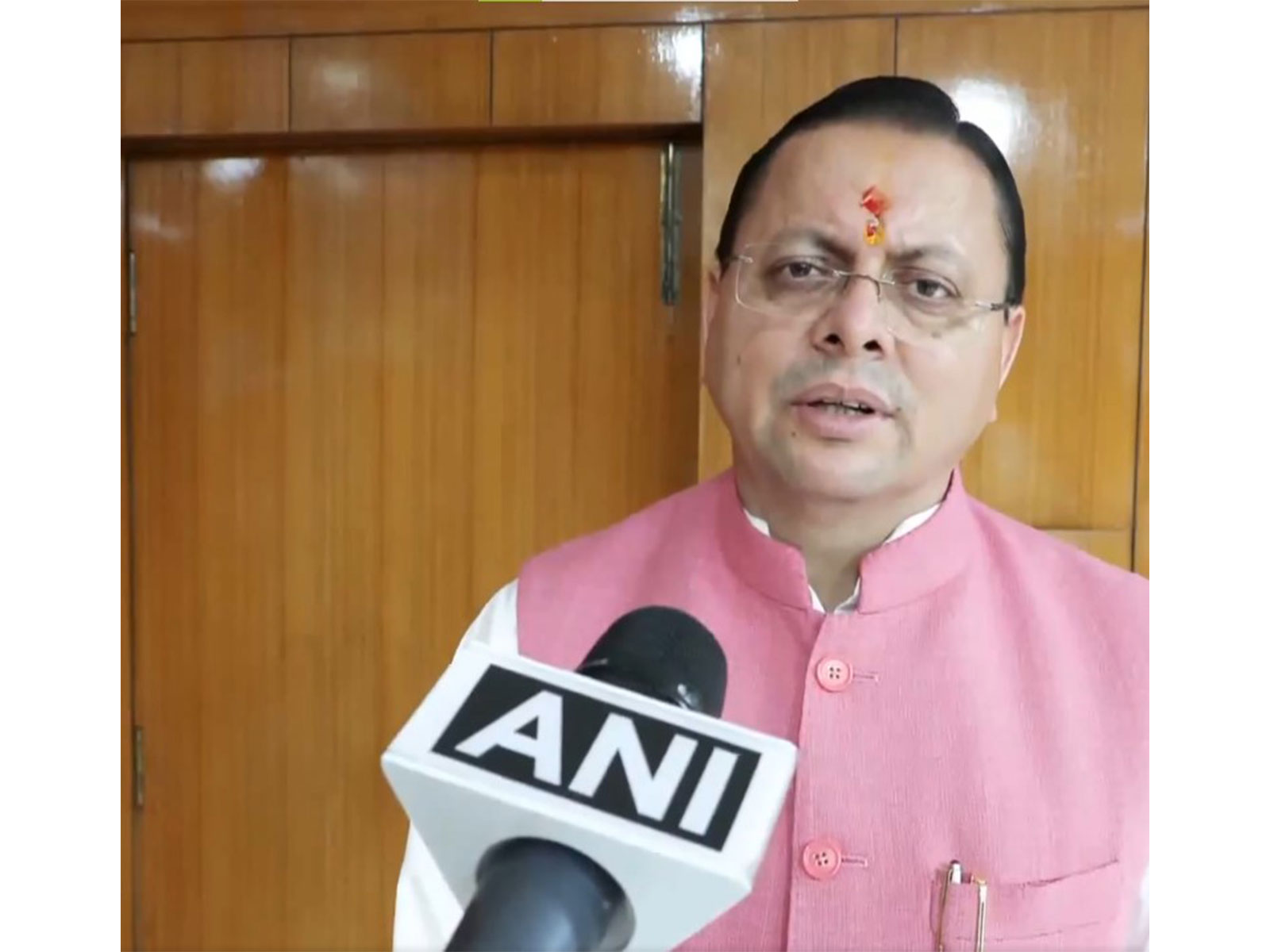
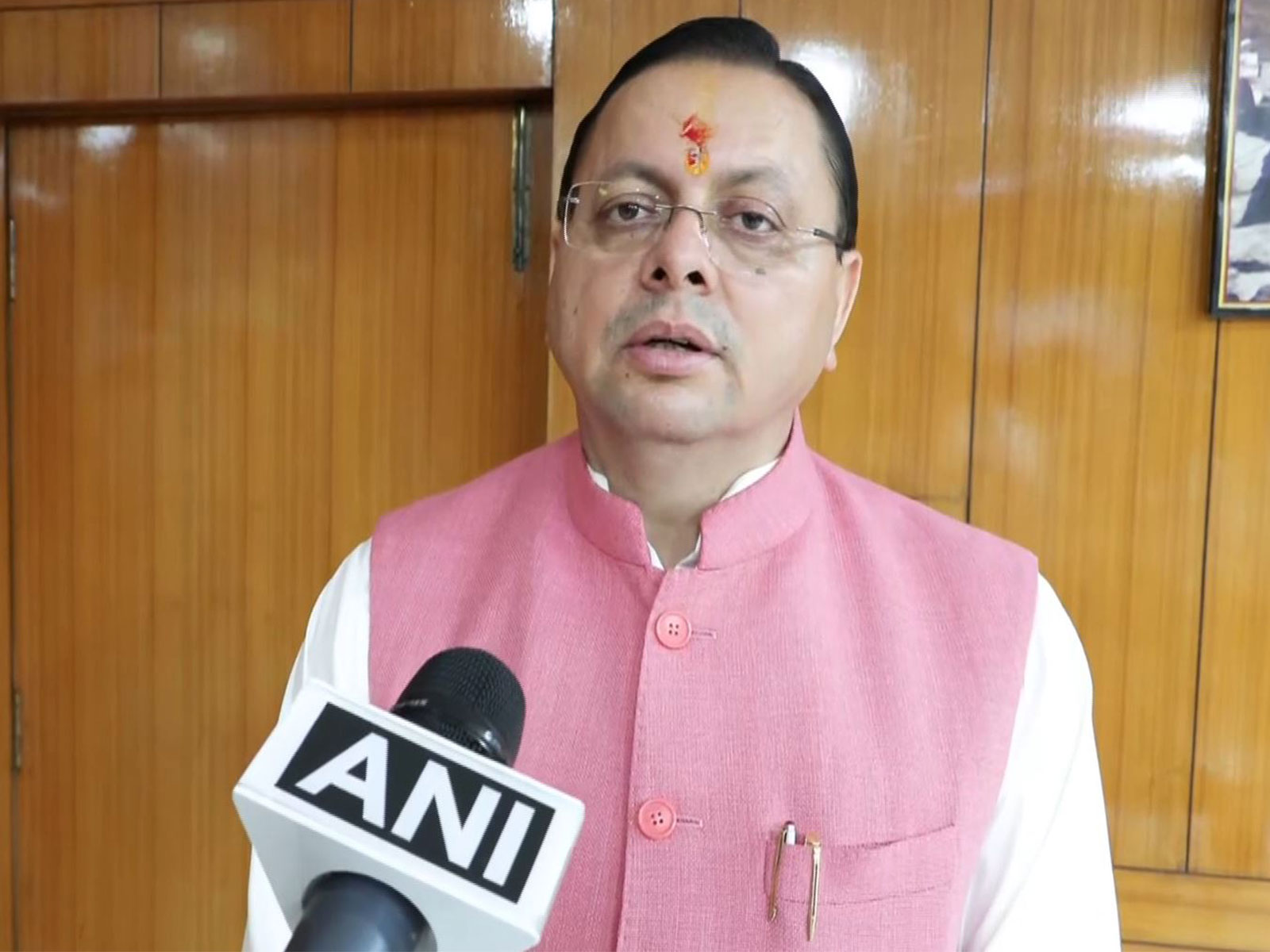
Dehradun (Uttarakhand) [India], July 31 : Uttarakhand Chief Minister Pushkar Singh Dhami on Friday paid heartfelt tributes to Shaheed Udham Singh on his martyrdom day, saying his sacrifice and courage will continue to inspire the youth of the country.
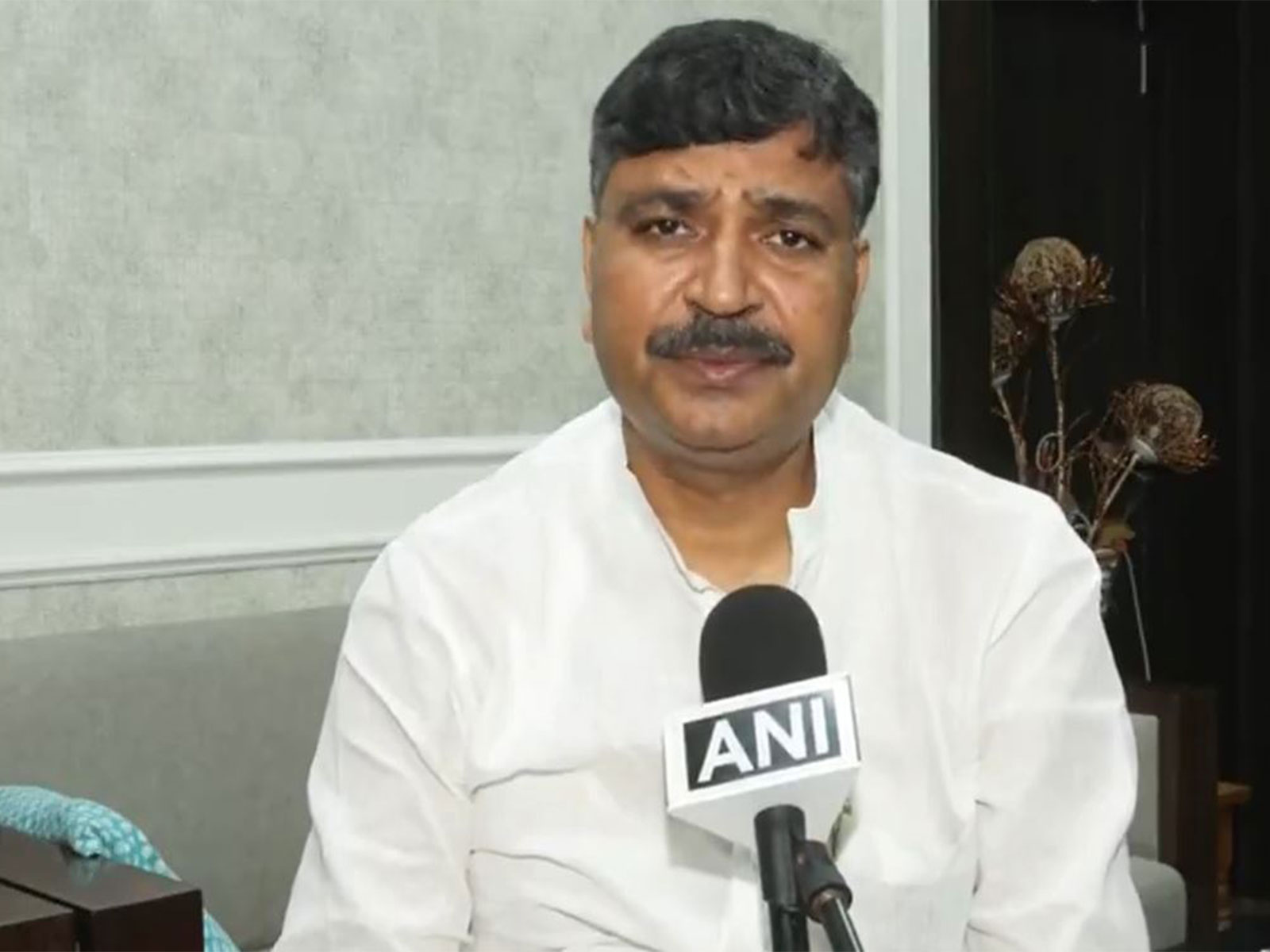
Speaking to ANI, CM Dhami said the unveiling of a statue of Shaheed Udham Singh on his martyrdom day holds special significance.
"The sacrifice and martyrdom of Shaheed Udham Singh, his journey across seven seas to avenge the Jallianwala Bagh massacre, demonstrated immense valour, courage, and bravery. He sent a message that any injustice committed against our country would be avenged. His life will continue to inspire our youth. That is why numerous programs have been held today. Today marks his martyrdom day-a day of sacrifice," he said.
CM Dhami added, "We are proud that this statue was unveiled on the very day of his martyrdom, and it will truly inspire everyone in the future. I also spoke with his family members; they mentioned that the statue accurately reflects his true physique and appearance from that time, making it one of the finest representations among all the statues of him across India. I once again pay my heartfelt tributes to him on this day."
Sardar Udham Singh, who was hanged on 31st July 1940 in London, remains a symbol of India's unwavering resolve to seek justice for the Jallianwala Bagh massacre.
Born on December 26, 1899, in Sunam, Punjab, Singh's exposure to Sikhism and revolutionary activities, including the Komagata Maru incident and the Ghadar Party's uprising, shaped his anti-colonial stance.
Singh was deeply affected by the Jallianwala Bagh massacre in 1919, where British troops killed hundreds of unarmed Indians.
Singh vowed to avenge the massacre by killing Michael O'Dwyer, the then Lieutenant Governor of Punjab, who had ordered the massacre.
The Jallianwala Bagh massacre took place on April 13, 1919, when troops of the British Indian Army, under the command of Colonel Reginald Dyer, fired machine guns into a crowd of unarmed protesters and pilgrims who had gathered in Jallianwala Bagh in Punjab's Amritsar on the occasion of Baisakhi.
The crowd had assembled peacefully at the venue to condemn the arrest of two national leaders, Satya Pal and Saifuddin Kitchlew, when they were fired at indiscriminately by General Dyer and his men.
According to British government records, 379 people, including men, women, and children, were killed, while 1,200 were wounded in the firing. Other sources place the number of dead at well over 1,000.
In 1924, Udham Singh joined the Ghadar Party to overthrow colonial rule. In 1927, he was arrested for illegal possession of firearms and sentenced to five years in prison.
In 1940, Singh successfully assassinated Michael O'Dwyer during a meeting at Caxton Hall in London. The act was a dramatic statement against British rule. Singh was tried and sentenced to death and was hanged in Pentonville Prison, London.
A district in Uttarakhand, Udham Singh Nagar, was named after him in 1995 as a tribute.