National Leprosy Eradication Programme workshop begins in Indore to strengthen leprosy control, interruption of transmission
Aug 19, 2026
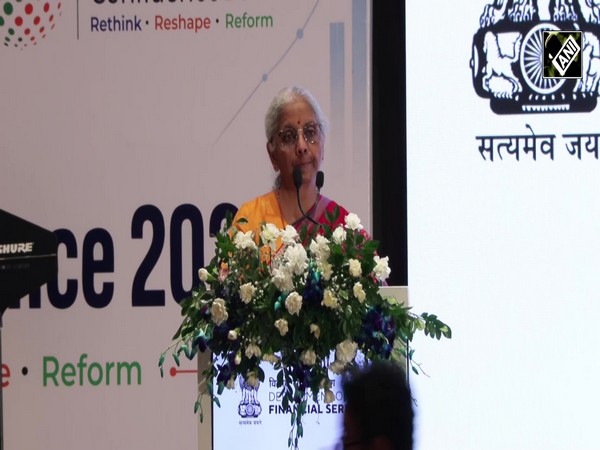
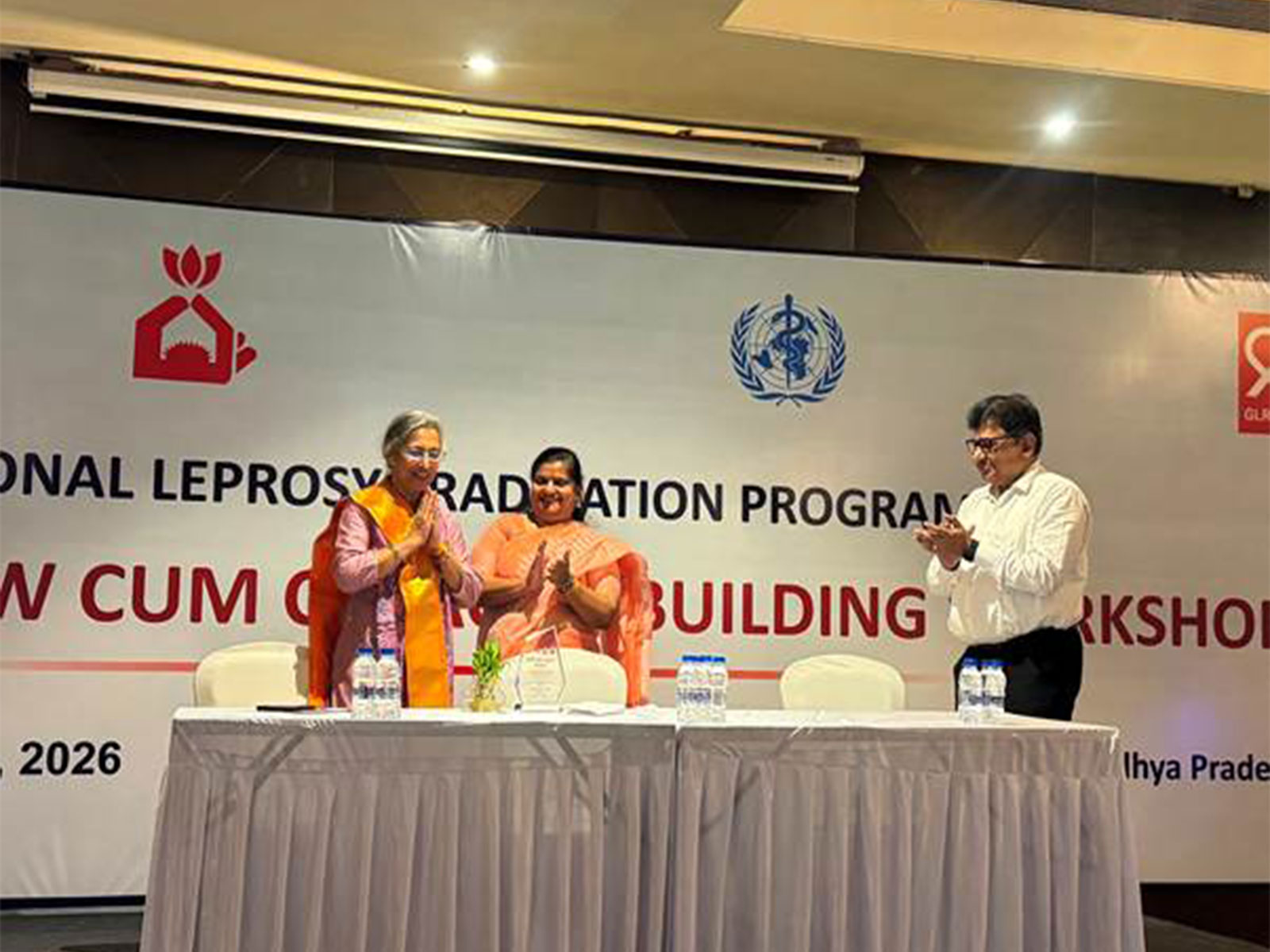
New Delhi [India], August 19 : The two-day National Leprosy Eradication Programme (NLEP) Review-cum-Capacity Building Workshop commenced today in Indore, Madhya Pradesh. Organised by the Central Leprosy Division (CLD), Ministry of Health and Family Welfare, the workshop aims to strengthen programme implementation, enhance technical capacities, and accelerate focused action towards achieving Interruption of Transmission (IoT) of leprosy.
Organised by the Central Leprosy Division (CLD), Ministry of Health and Family Welfare, the workshop brought together more than 70 participants, including the Additional Director General, Directorate General of Health Services (DGHS); Deputy Director General (Leprosy); officials of the Central Leprosy Division; representatives from RLTRI Raipur and Aska Institute; State Leprosy Officers; Chief Medical and Health Officers; District Leprosy Officers from all 51 districts of Madhya Pradesh; District Consultants; technical development partners; and a representative of APAL.
The deliberations focused on reviewing the epidemiological situation, assessing programme performance, identifying implementation gaps, and sharing field-level experiences and best practices. Particular emphasis was placed on strengthening early case detection, contact tracing, timely initiation and completion of treatment, prevention of disabilities, and intensified surveillance as key components of the last-mile strategy for interrupting leprosy transmission.
The workshop commenced with a welcome address by the State Leprosy Officer, Madhya Pradesh, followed by a Special Address by the Additional Director General, DGHS.
The first day of the workshop featured technical sessions focusing on the epidemiological scenario of leprosy in Madhya Pradesh, focused strategies under NLEP, improving the quality and outcomes of the Leprosy Case Detection Campaign (LCDC), and strengthening Retrospective and Reverse Contact Tracing.
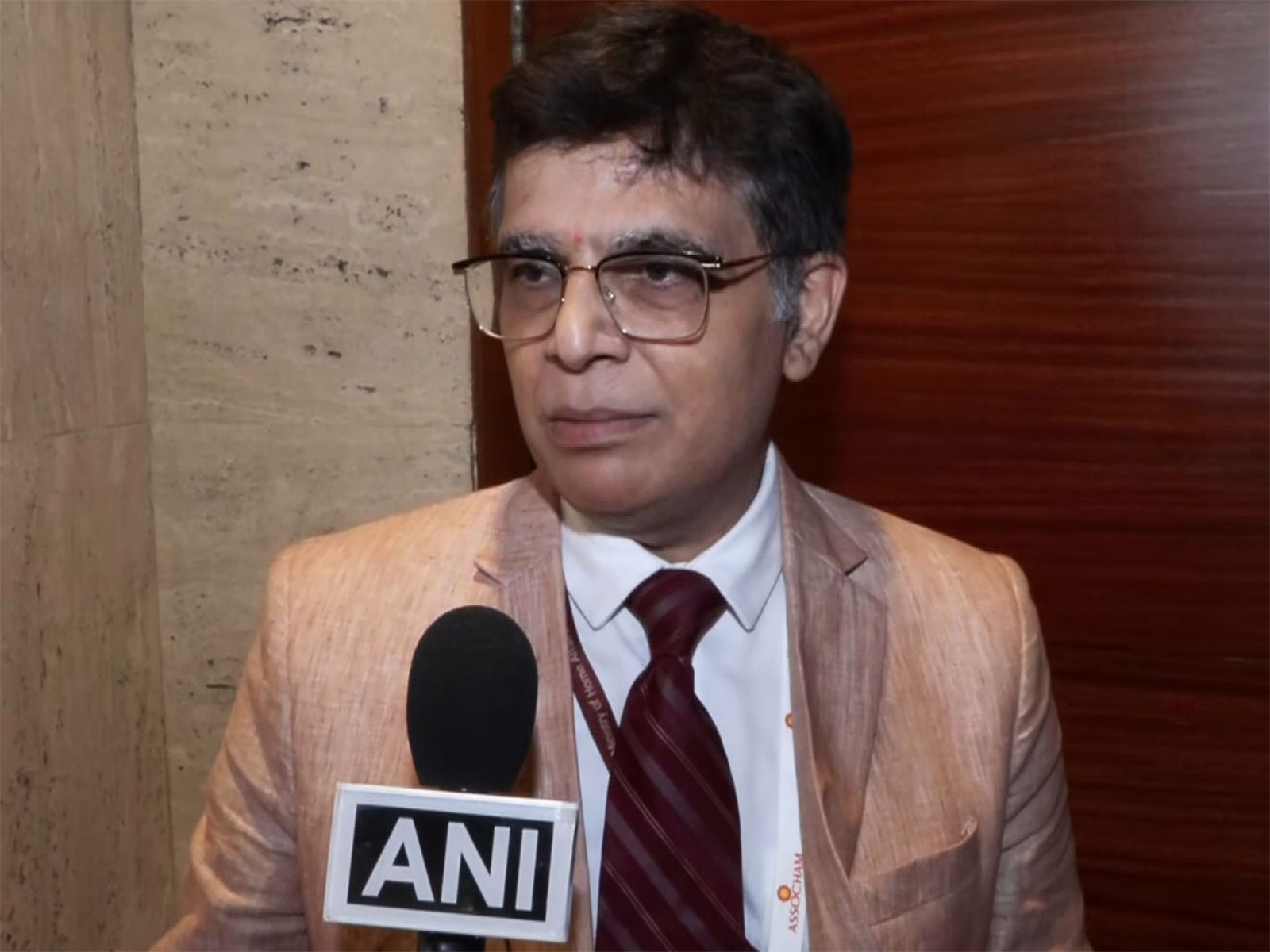
The session led by Dr. Sunil V Gitte, Deputy Director General (Leprosy), highlighted the importance of leveraging programme data to identify priority districts and areas requiring intensified surveillance and targeted interventions. Particular emphasis was laid on implementing focused strategies to bring the prevalence rate below 1 per 10,000 population, while strengthening early case detection, contact tracing, timely treatment, and disability prevention as part of the last-mile efforts towards interruption of transmission.
Dr. Rashmi Shukla, National Programme Officer, WHO, led a technical session on "Improving the Quality and Outcomes of Leprosy Case Detection Campaign (LCDC)", focusing on enhancing the quality of campaign implementation and improving the effectiveness of case detection activities.
Another technical session, conducted by Dr. Sandeep Jogdand, RLTRI Raipur, focused on "Retrospective and Reverse Contact Tracing". The session provided technical orientation on strengthening contact-tracing approaches to identify potentially missed or undiagnosed cases and to better understand transmission dynamics within affected communities.
The technical deliberations were followed by a brainstorming and experience-sharing session with District Leprosy Officers from across Madhya Pradesh. Districts including Alirajpur, Anuppur, Barwani, Burhanpur, and Dhar shared their respective field experiences, highlighting programme performance, operational challenges, priority areas, and district-level actions being undertaken to strengthen early case detection, timely treatment, and prevention of disability.
The experience-sharing session also facilitated peer learning among district teams and provided an opportunity to identify practical and replicable approaches for strengthening implementation. The Vice-President of APAL shared experiences and practical insights on strengthening early case detection and community-level action, underscoring the importance of incorporating the perspectives of persons affected by leprosy and enhancing community engagement in programme implementation.
The two-day workshop will continue on 20 August 2026, with further deliberations and capacity-building sessions aimed at consolidating district-level strategies, strengthening programme implementation, and accelerating focused interventions towards the national goal of Interruption of Leprosy Transmission.