Nepal MP calls PM Balen Shah "Nepali Hitler" while objecting to his working style
Jul 15, 2026
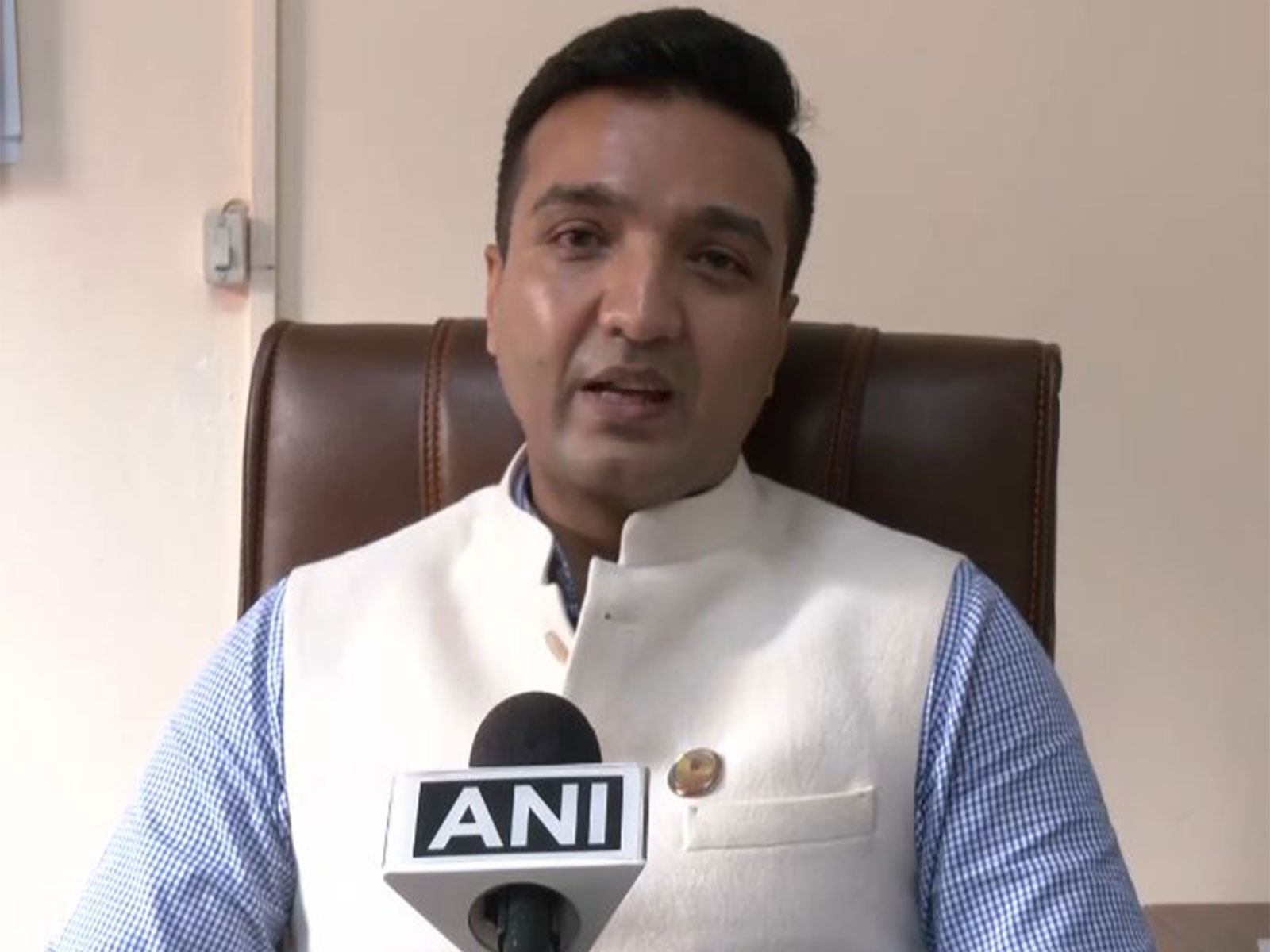
Kathmandu [Nepal], July 16 : A member of Nepal's upper house on Wednesday criticised Nepalese Prime Minister Balendra Shah's style of governance, describing him as a "Nepali Hitler" while objecting to the functioning of his administration.
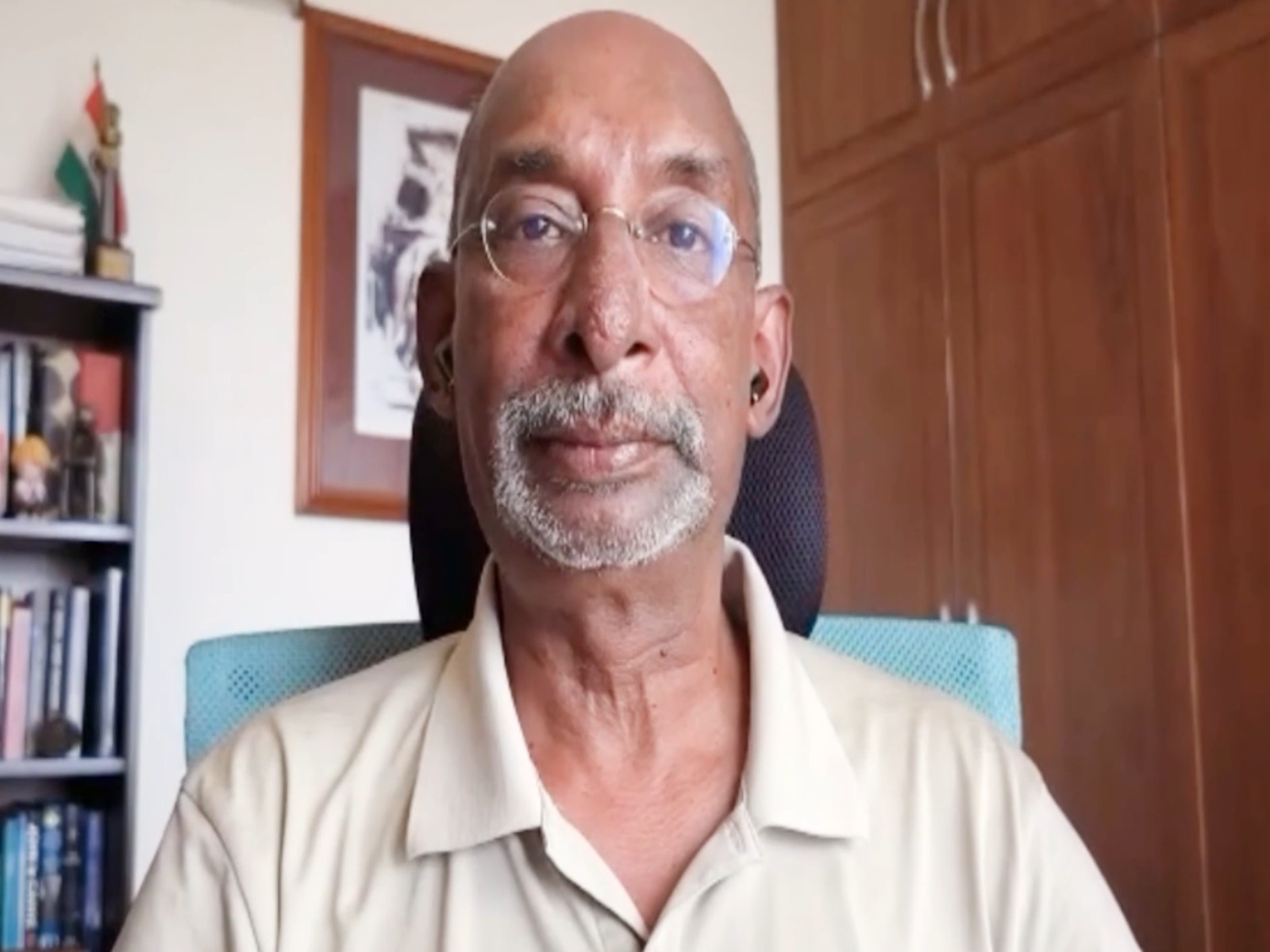
Mahantha Thakur, a member of the National Assembly from the Janata Samajwadi Party (JSP), made the remarks while speaking during a meeting of the National Assembly.
He described the Shah-led administration as "inefficient" and alleged that it had failed to deliver on the promises made to the public.
"The Balen Government is a non-functioning government. All the assurances it has given, it lacks that commitment to put all those into action. That has further increased frustration in the nation," Thakur said.
Thakur alleged that the current administration has failed to translate its commitments into action, resulting in growing public frustration. He also accused the government of targeting the employee administration by removing officials from their positions, creating a situation that has led to protests.
According to Thakur, there has also been interference in the offices of political parties. He claimed that furniture was being burned and that political parties were facing continuous attacks under the current administration.
Speaking on the education and health sectors, Thakur said the government's strict approach towards boarding schools and nursing homes would have a serious impact on the future of millions of students and teachers.
He argued that such measures would further weaken Nepal's economic condition and maintained that education and healthcare could not function solely with government support.
"What shall we call him? Nepali dictator, Nepali Hitler. He has become the Nepali Hitler. Whatever he says is absolutely right; whatever he enacts is the law. In this way, the nation is further pushed to the brink," Mahantha Thakur said.
Thakur further accused the current administration of attempting to ban organised institutions. He claimed that the government had abolished trade unions and student organisations because it could not withstand those organisations.
He said such a style of governance was taking the country in the wrong direction and reiterated his criticism of the government's handling of public institutions and democratic processes.