Nepal Police rounds up journalists over their coverage of alleged WhatsApp chat between convict and high-profile officials
Oct 30, 2026
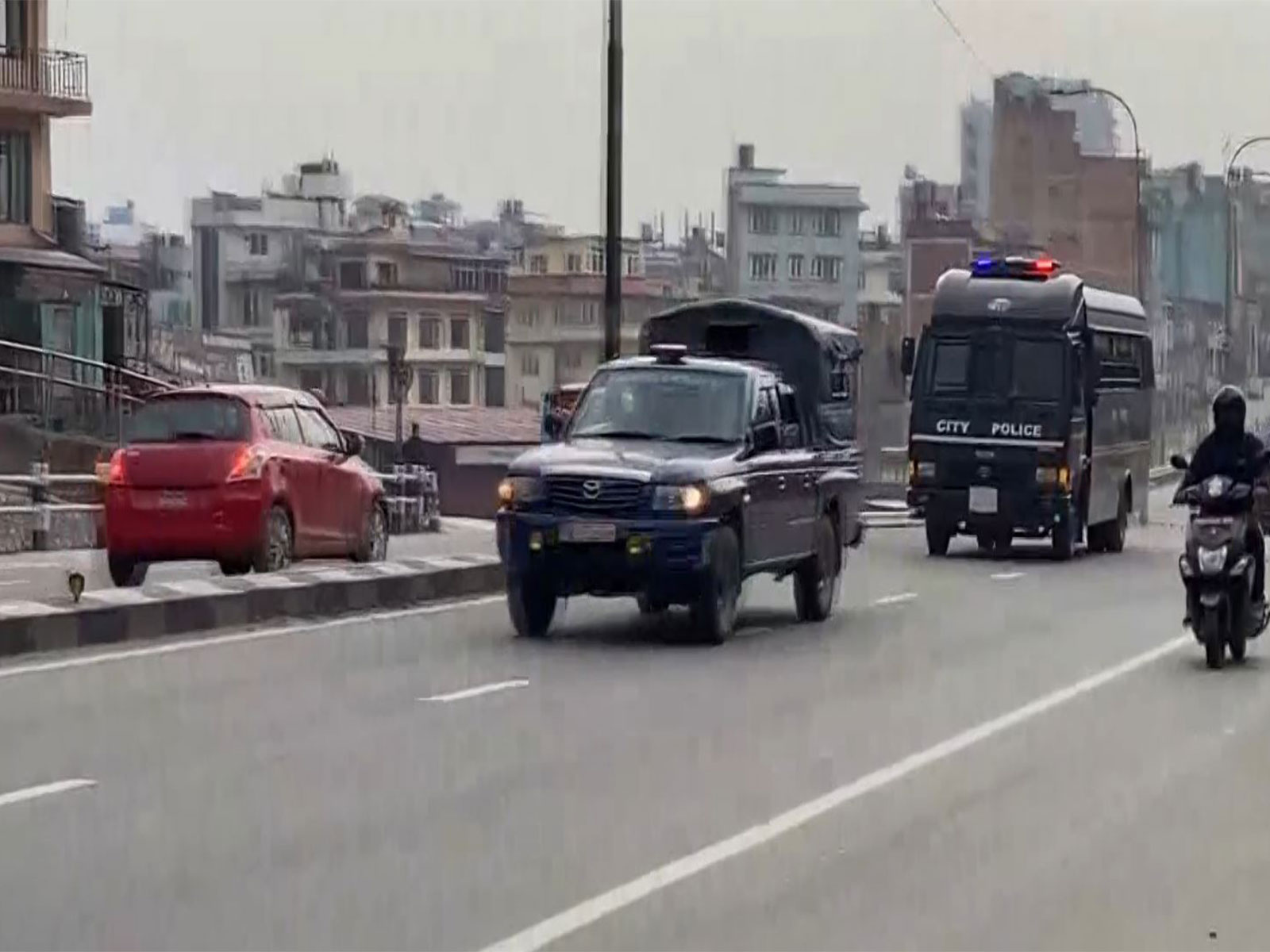
Kathmandu [Nepal], October 30 : The Nepal Police on Friday took a few journalists into custody while it continued to visit the newsrooms of media houses to take custody of reporters for "questioning over news content.”
Police officers dressed in plain clothes entered and took journalist Bishwamani Subedi from the newsroom of Nepal Press (online portal) “for questioning over news content”. He was later released in the late evening.
In CCTV footage released by the media house, three officers in plain clothes entered the newsroom and took Subedi under control. In the recorded conversation, the Police officials asked the journalist to cooperate and go along with them. Later, after the conversation, Subedi is seen walking along with them out of the office premises.
“Plainclothes officers came to the newsroom and took him away, saying he needed to go with them for a discussion,” Matrika Poudel, the editor-in-chief of Nepal Press, said.
Poudel, along with the publisher of the media portal, is currently at the Cyber Bureau to take an update on the issue, as no warrants were handed over while taking the journalist under control.
Later in the evening, the Police officers also reached the head office of the Naya Patrika Daily looking for journalist Navaraj Mainali for the same reason.
A staff reporter at the vernacular Nepali daily said the officers barged into the newsroom looking for the journalist whom “they wanted to take to the Cyber Bureau for questioning.”
Khagendra Pant, news editor at Naya Patrika, said four or five plainclothes officers had arrived, identifying themselves as members of the Metropolitan Crime Division.
“They said they had come to take our reporter to the Cyber Bureau,” Pant said.
The Police continued the crackdown on journalists on Friday by visiting newsrooms of various online and new media outlets. The Police also visited the office of the online news outlet Diyo Post looking for the editor-in-chief and news coordinator and left the office failing to meet them.
Superintendent of Police Deepak Awasthi of the Cyber Bureau confirmed that Subedi and several others had been brought in for questioning.
“We needed to question him and a few others, so they were brought to the Cyber Bureau,” Awasthi said without further giving details about the reason for holding them in custody.
The series of journalists being held in custody comes a day after the vernacular Nepali daily, the Naya Patrika, published a report detailing a WhatsApp exchange between Supreme Court Justice Hari Prasad Phuyal and Inam Sapkota, a man accused of using connections with powerful figures to influence state institutions.
The reportage has raised questions about the judicial functioning and justice’s conduct within the Supreme Court.
In the reported WhatsApp conversation, Sapkota, who is now in judicial custody, sent Justice Phuyal a screenshot of businessman Rohit Gupta’s habeas corpus petition where he has requested to dismiss it, invoking Prime Minister Balendra Shah’s interest in the matter.
“Please stop this, Sir,” the message translates, where Sapkota has further stated, “The prime minister is also interested in this matter. Please dismiss it.”
Justice Phuyal, in the conversation, replied that there were grounds to release Gupta and that the court had ordered him to post NRs 20 million in bail. He also shared a link to the court order and proposed meeting Sapkota at Hotel Himalaya the following evening. The exchange has raised questions about why a sitting justice was communicating with an alleged fixer about a pending case.
The controversy extends beyond Justice Phuyal. Separate documents reported by media outlets as recovered data from Sapkota’s phone refer to deposits into bank accounts associated with incumbent Chief Justice Manoj Kumar Sharma, Rastriya Swatantra Party lawmaker Bishwaraj Pokharel and senior police officer Banshiraj Dahal.
The records mention deposits totalling 198,333 in unspecified currency over three months and a request for a further USD 7,500, with payments directed to accounts held by Sapkota’s relatives.
The Chief Justice, issuing a statement, has denied knowing Sapkota or having any direct or indirect contact with him. Senior Police Officer Dahal was dismissed from post following an investigation into his communications with Sapkota and a late-night visit to former Chief Justice Cholendra Shumsher Rana after the latter was taken into police custody.
The alleged transactions have not been independently established as bribes or conclusively linked to the individuals named. Demand for investigation into the issue has been rising.
Following the round-up by the Police, the Communications Minister, Bikram Timilsina, later in the evening announced that all journalists had been released.
“All the arrested journalists have been released. The government is fully committed to press freedom. Press freedom and responsible journalism are the pillars of democracy,” the minister said without specifying the number of those taken into custody without a formal warrant.
The Press Council Nepal (PCN), an autonomous and independent statutory media regulatory body established by the Government of Nepal, also expressed serious concern over reports that plainclothes police personnel entered the newsrooms of several media outlets, detained journalists and attempted to arrest them.
In a release, the regulatory body objected to the actions, which reportedly took place after office hours on Friday, ahead of two consecutive public holidays.
It said, “taking journalists into custody without providing clear grounds for arrest, presenting an arrest warrant, obtaining court authorisation or disclosing the nature of the criminal complaint amounted to a serious threat to press freedom and journalists’ professional security.”
The Council also recalled that it is “legally mandated to investigate, monitor and address complaints arising from media content, disputes over published news and alleged violations of the journalistic code of conduct.”
It urged the Government of Nepal, police authorities and other concerned parties to follow the Council’s established mechanisms and procedures to resolve such disputes rather than directly resorting to police intervention.
Furthermore, the Council demanded the “immediate disclosure of the detained journalists’ status and the legal grounds for their arrest.” It also called for their immediate release if they were being held without a valid legal basis.