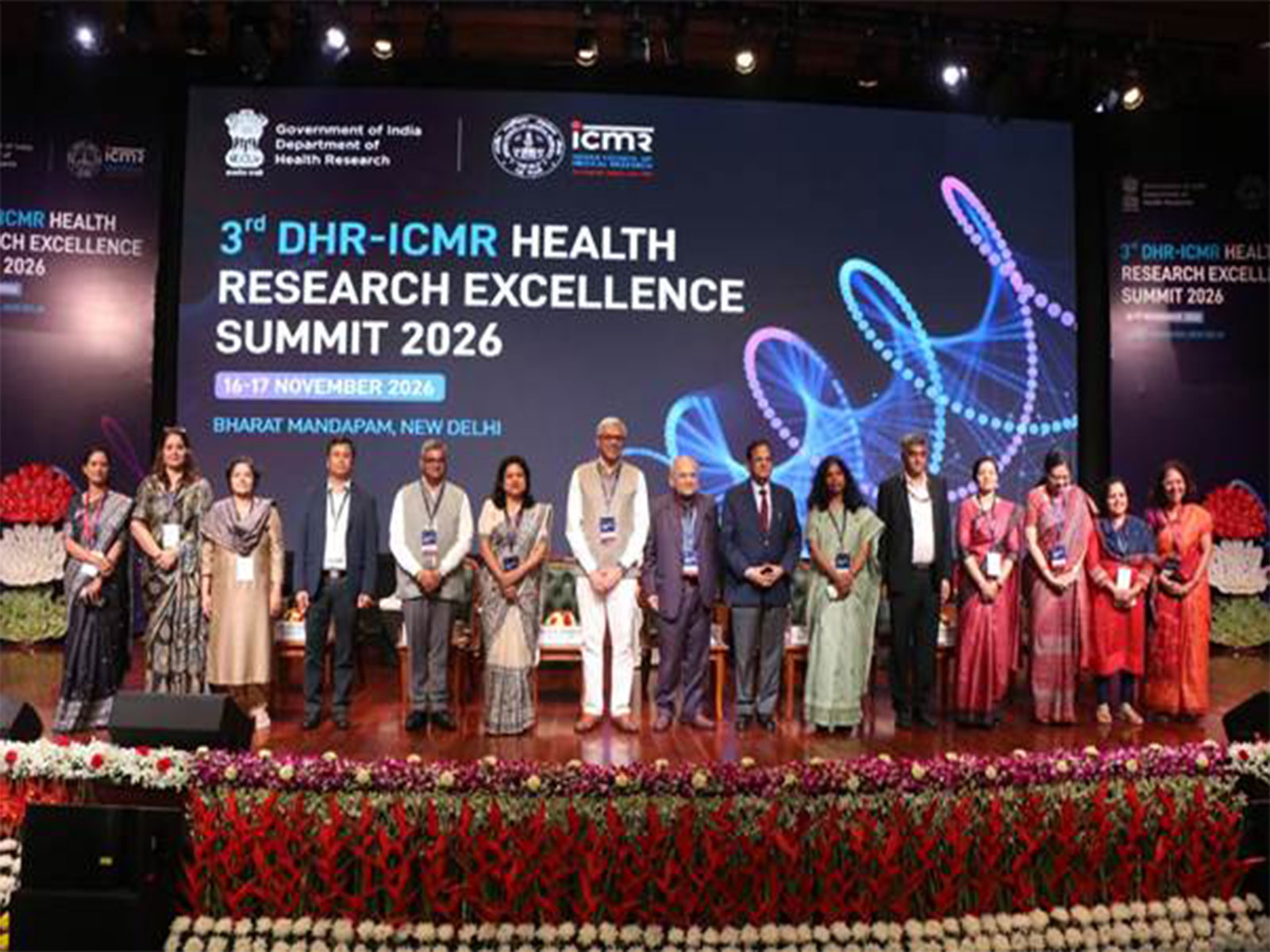
New Delhi: 3rd DHR-ICMR Health Research Excellence Summit brings together over 600 scientists, researchers, policymakers
Nov 18, 2026
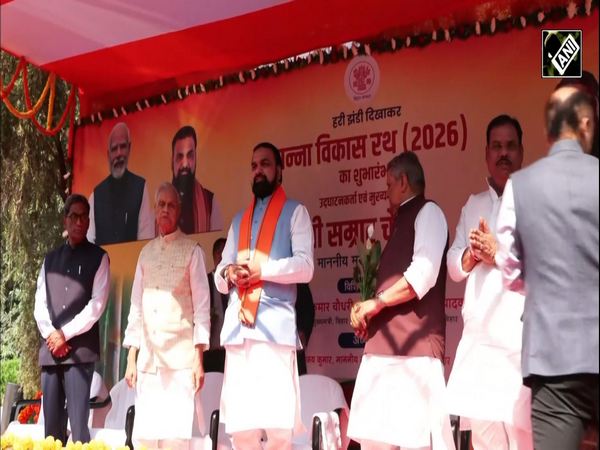
New Delhi [India], November 18 : The Indian Council of Medical Research (ICMR) has achieved the milestone of 100 successful technology transfer deals, marking a significant step in translating indigenous health research into technologies and solutions for wider public use. The milestone was announced at the 3rd Department of Health Research (DHR)-ICMR Health Research Excellence Summit, which concluded today at Bharat Mandapam, New Delhi.
Organised by DHR and ICMR on 16 and 17 November 2026, the two-day Summit brought together over 600 scientists, researchers, innovators, administrators and policymakers from ICMR institutes, partner institutions, government organisations and academia. The Summit also marked 115 years of ICMR's contribution to biomedical and health research in the country, according to a press release issued by the Ministry of Health and Family Welfare.
The Summit serves as a national platform for recognising excellence in health research and promoting the translation of scientific evidence into tangible outcomes. It showcases significant contributions from ICMR institutes and extramural partner institutions across research publications, technologies, patents and research management, while facilitating collaboration among researchers, industry and policymakers.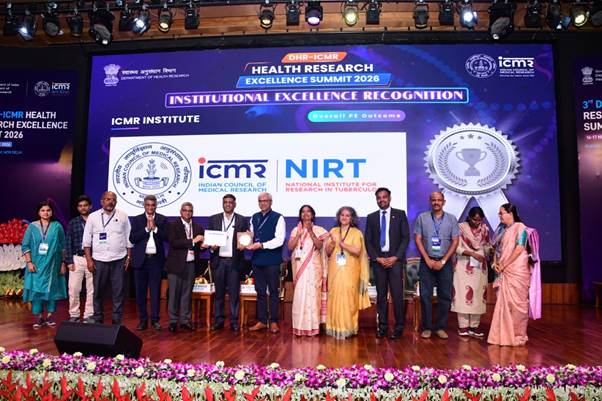
At the Technology Transfer Ceremony, ICMR exchanged 20 licensing agreements covering eight technologies with nine Indian companies, taking the cumulative number of successful technology transfer deals to 100 within a limited time of less than 2 years of Medical Innovations Patent Mitra, a flagship initiative of ICMR launched by Union Health and Family Welfare Minister, Shri J P Nadda, in March 2025. This milestone reflects ICMR's continued efforts to facilitate the translation of research and indigenous innovations into practical applications through industry partnerships.
As per the release, an Innovation Exhibition showcased 17 technologies developed by ICMR institutes and extramural partner institutions. In addition, 10 technologies and eight patents were presented during a dedicated session on Technologies and Patents, highlighting the breadth of innovation emerging from the country's health research ecosystem.
Three new initiatives were launched at the Summit. The DHR’s new Research to Action Vertical will translate research evidence into decision-ready products for policy and programmes. Syndromic Surveillance under the DHR Virus Research and Diagnostic Laboratories (VRDL) Scheme will create an early-warning network for outbreaks across 70 VRDLs and Infectious Disease Research & Diagnostic Laboratories (IRDLs). The Dr M K Bhan Young Medical Faculty PhD Portal launched today will serve as a centralised digital platform with information for prospective applicants, the release said.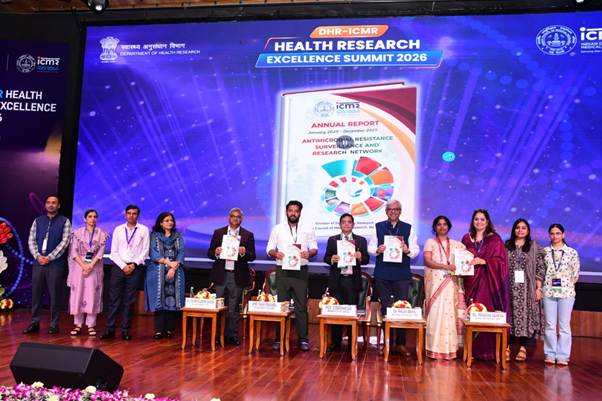
ICMR also released the Antimicrobial Resistance (AMR) Annual Report and Standard Operating Procedures, bringing together the national evidence base on antimicrobial resistance and standardised laboratory procedures. The ICMR Compendium, featuring 25 stories of research translated into outcomes for people, was also released.
The Research Excellence Showcase presented shortlisted publications, while the Innovation Excellence Showcase featured shortlisted technologies and patents. A dedicated track on research administration and finance deliberated on measures to streamline grant management, procurement and financial processes. A special session commemorated the Golden Jubilee of the ICMR-National Institute of Malaria Research (ICMR-NIMR), marking 50 years of its contribution to malaria research.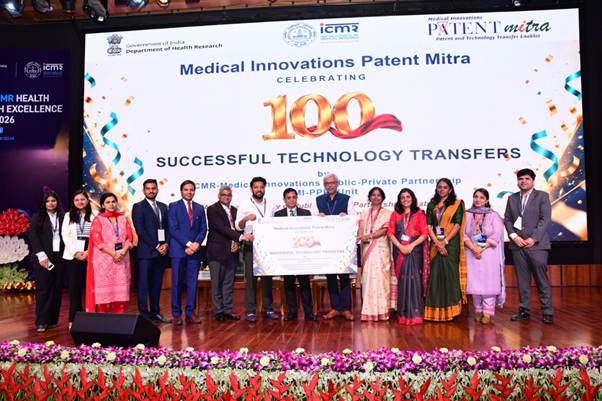
The release noted that the Summit also recognised outstanding contributions across the health research ecosystem through the Research, Innovation and Institutional Excellence Recognition. Researchers and institutions were recognised across nine categories for achievements in publications, technologies, patents and institutional performance. The ICMR Research Management Excellence Recognition acknowledged the contributions of reviewers involved in project selection, the Indian Journal of Medical Research, scientific divisions, scientific support units, and administration and finance teams in strengthening the research ecosystem and supporting high-quality research.
The top 100 school students selected through the SHINE National Competition were also recognised at the Summit for their contributions and scientific thinking in public health. SHINE (Science and Health Innovation for the NextGen Explorers) is a nationwide ICMR initiative for students in Grades 9 to 12 from government, government-aided and private schools across the country. The initiative seeks to foster scientific temper, encourage curiosity and inspire young students to explore careers in biomedical and health research.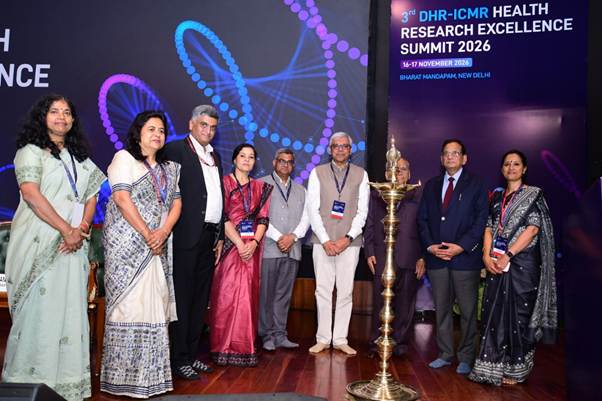
The Summit reaffirmed the importance of a strong, collaborative and innovation-driven health research ecosystem in addressing national health priorities and advancing India's pursuit of accessible, affordable and quality healthcare, the release said.
The Indian Council of Medical Research (ICMR), headquartered in New Delhi, is the apex body in India for the formulation, coordination and promotion of biomedical research. Established in 1911, ICMR is one of the oldest medical research organisations in the world and functions under the Department of Health Research, Ministry of Health and Family Welfare, Government of India.