NGT gives CPCB eight weeks to report progress on National microplastics detection protocol
Nov 07, 2026
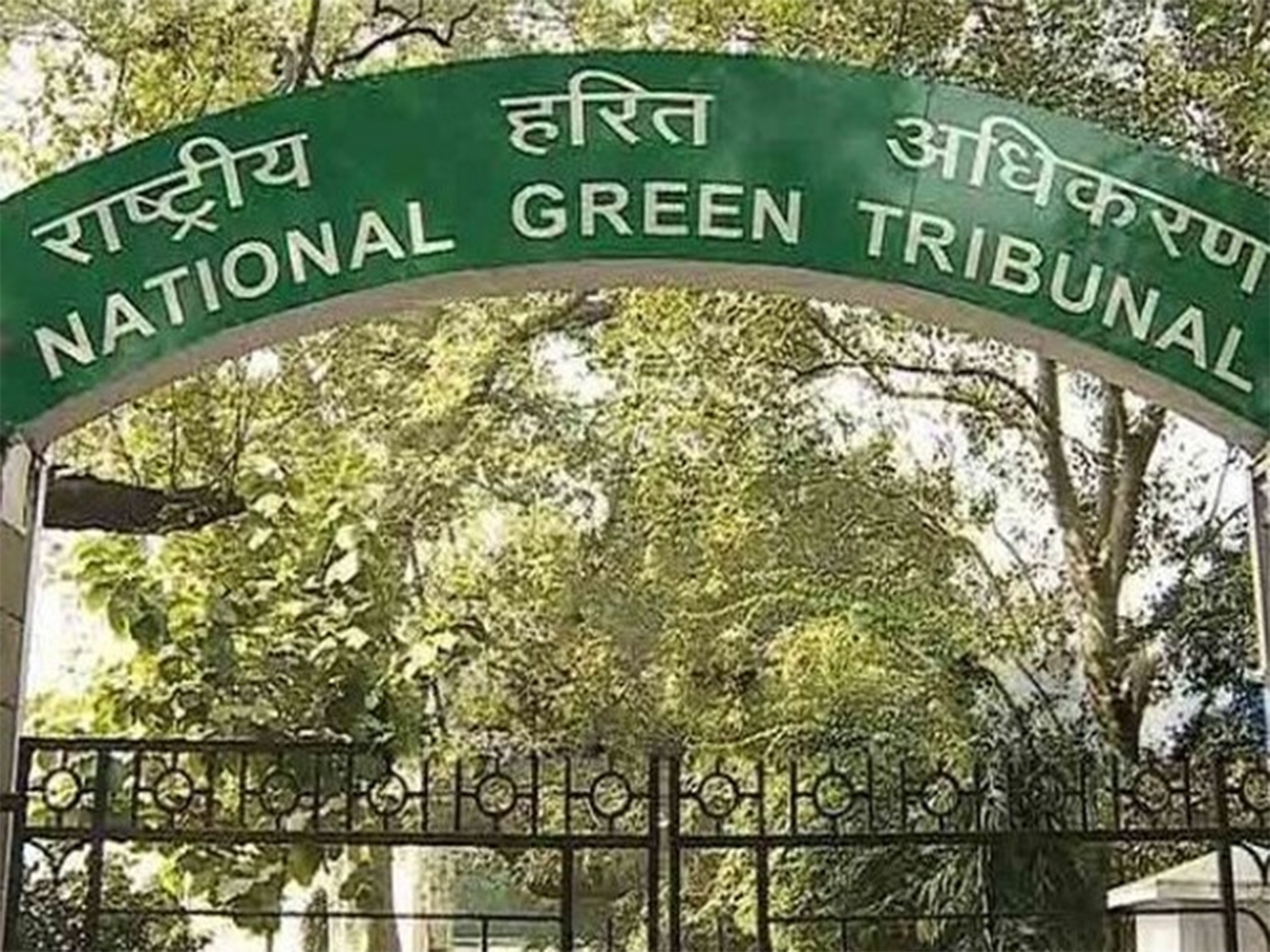
New Delhi [India], November 7 : The National Green Tribunal has granted the Central Pollution Control Board (CPCB) eight weeks to place on record a further progress report on the development of uniform methodologies for sampling, preparation and detection of microplastics in different environmental matrices, including water, soil, air, sludge and biota.
The Tribunal, while considering proceedings arising from news reports concerning the presence of microplastics in Indian salt and sugar brands and microplastics detected in human blood, allowed the CPCB’s request for time to submit its updated progress report. The matter has been listed for further hearing on February 4, 2027.
A bench comprising NGT Chairperson Justice Prakash Shrivastava and Expert Member Dr. Afroz Ahmad considered a CPCB report dated October 13, 2026, detailing the steps taken by a joint committee towards developing a comprehensive national methodology for the detection and analysis of microplastics.
According to the report, the committee has been working towards developing specific and uniform methodologies for sampling, sample preparation and analysis of microplastics in water, soil and sediment, air, sludge and biota. The committee held its sixth meeting on September 9, 2026, to review progress and facilitate the development of the proposed methodologies.
The CPCB informed the Tribunal that the development of a comprehensive national methodology would require matrix-specific standardisation and inter-laboratory validation before it could be recommended for implementation across the country.
The report noted that while the Bureau of Indian Standards has adopted IS 18998:2025, laying down principles for the analysis of microplastics in the environment, the standard only provides guiding principles and does not prescribe detailed, matrix-specific procedures for sampling, sample preparation and analysis across different environmental matrices.
To address this gap, different institutions have agreed to develop methodologies for specific areas. The Central Institute of Petrochemicals Engineering and Technology (CIPET) has agreed to develop the methodology for sampling, sample preparation and detection of microplastics in freshwater and soil.
The National Centre for Sustainable Coastal Management (NCSCM) will work on methodologies relating to marine water, coastal sediments, sludge and biota, while CSIR-National Environmental Engineering Research Institute (CSIR-NEERI) will develop the methodology for detecting microplastics in air.
The concerned institutions have been asked to submit their proposals and proposed methodologies for consideration, refinement and validation by the joint committee. The expenditure for the studies is proposed to be met from the NGTEC fund maintained by the CPCB, following which the proposals will be evaluated by the Scientific, Technical and Financial Evaluation Committee for the award of work on an MoU basis.
The CPCB had indicated that approximately 12 months may be required for developing and finalising the specific uniform methodologies, which would subsequently undergo detailed deliberation, refinement, standardisation and inter-laboratory validation.
The proceedings arise from a news item titled “All Indian Salt Sugar Brands Contain Microplastics Reveals Study”, published on August 13, 2024, along with connected proceedings arising from a 2022 news report on the detection of microplastics in human blood.