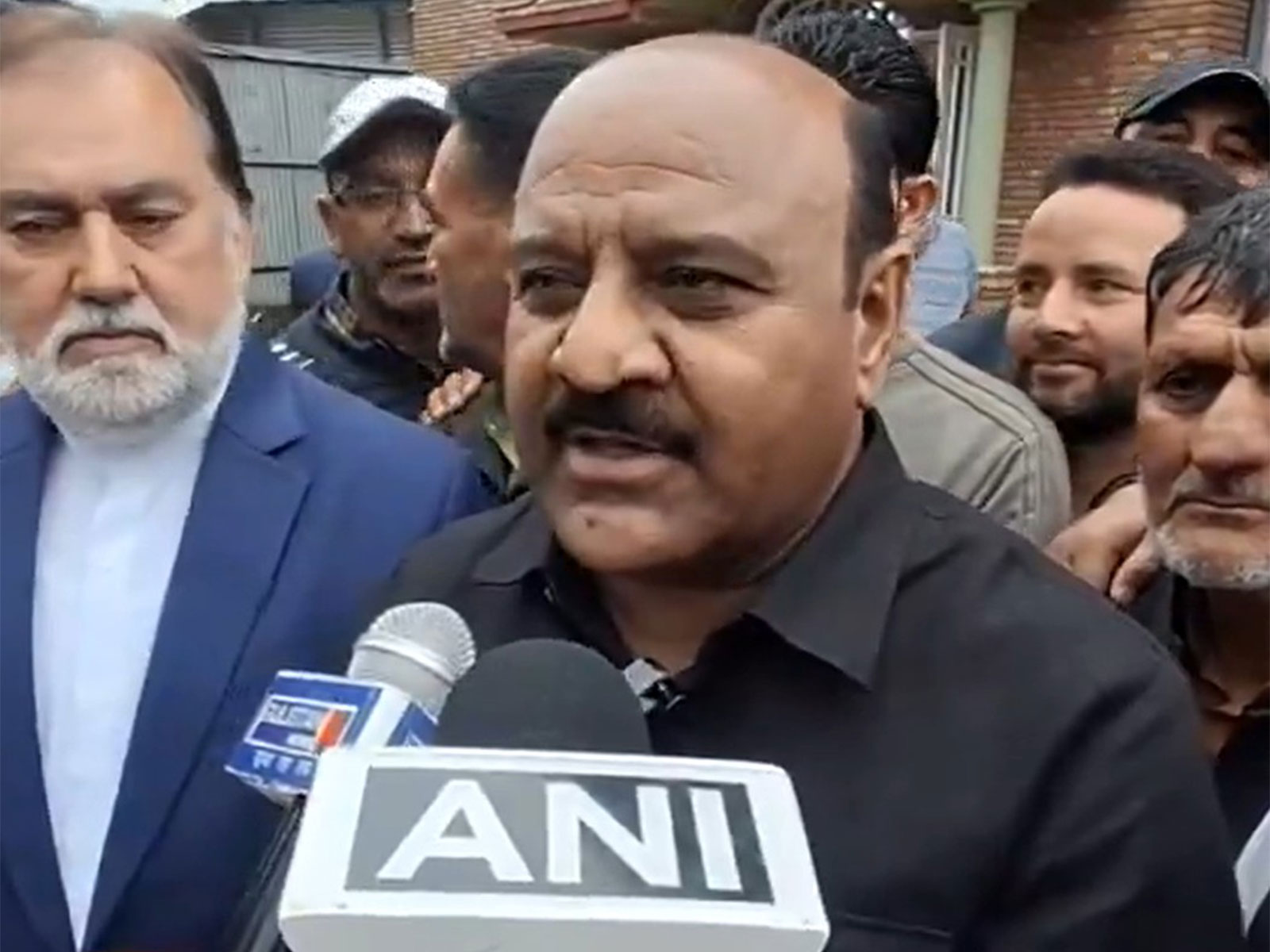
"One can be up or down any time": JK Dy CM Surinder Choudhary on West Bengal election results
May 04, 2026
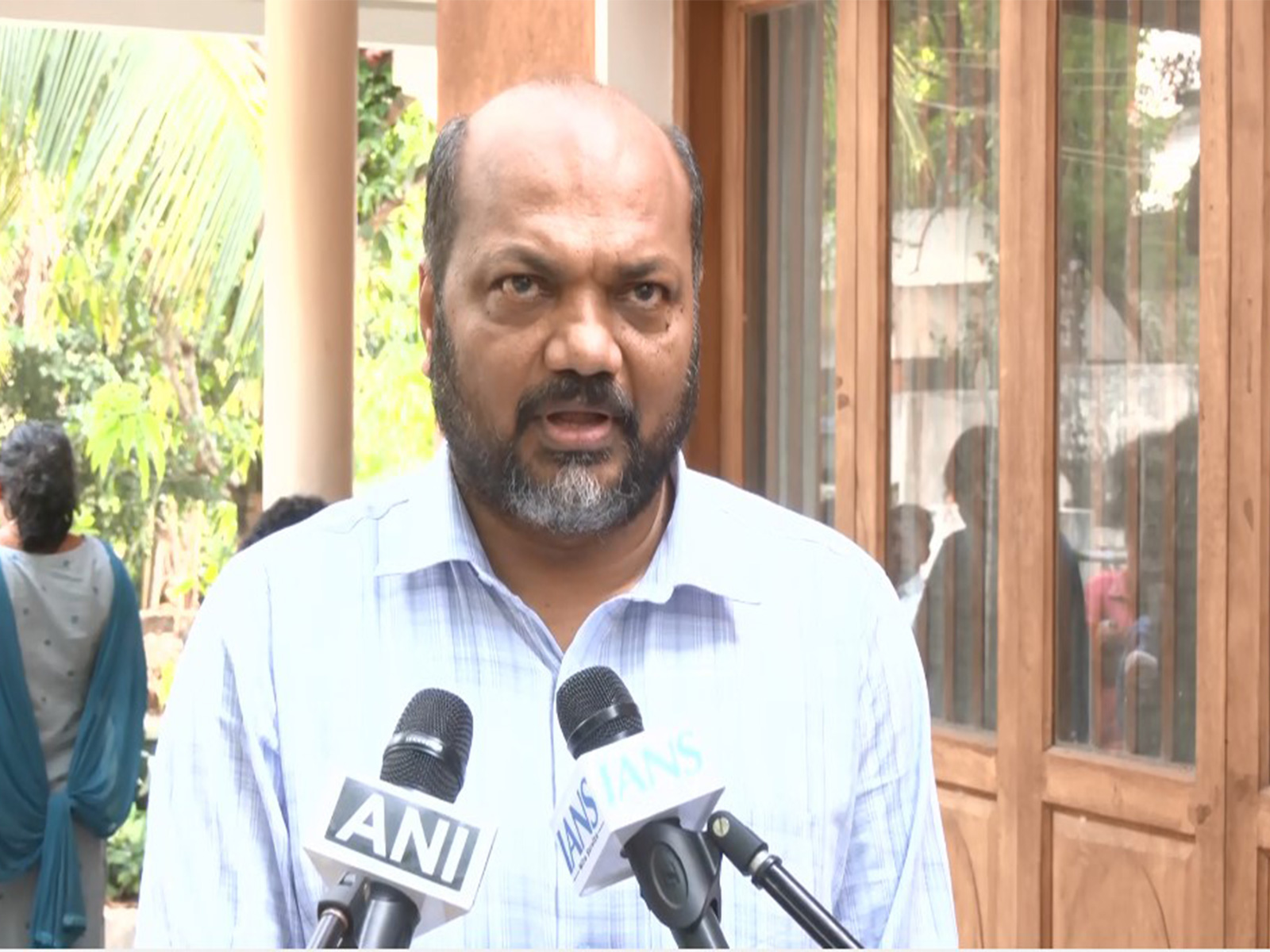
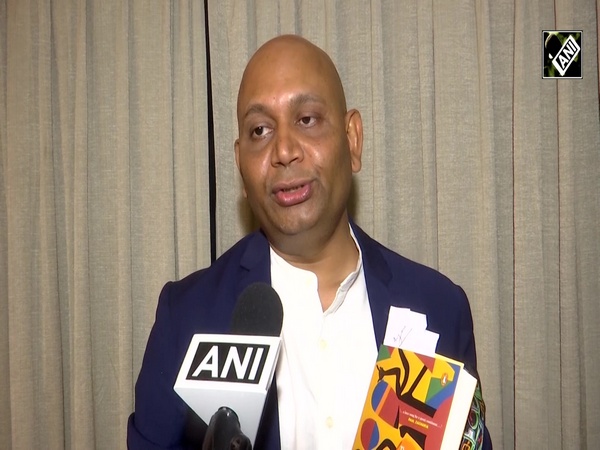
Shopian (Jammu and Kashmir) [India], May 4 : Jammu and Kashmir Deputy Chief Minister Surinder Choudhary spoke about the unpredictable nature of democracy as the results for the Bengal elections remain awaited, stating that the final outcome would become clear in time.
Reflecting on the electoral process, Choudhary emphasized that in a democracy, fortunes can shift at any time, with both victory and defeat determined by the will of the people.
"In a democracy, one can be up or down at any time. By evening, the results will be clear. Whoever wins, it is because the people chose them; whoever loses, it is because the people rejected them," he added.
Meanwhile, West Bengal Assembly elections have delivered a significant blow to the Mamata Banerjee-led Trinamool Congress (TMC), as the long-held assumption of a consolidated Muslim and secular vote bank has crumbled.
A surge of regional and identity-based parties has successfully fractured the TMC's traditional support base, paving the way for a dominant showing by the Bharatiya Janata Party (BJP) in urban and suburban corridors.
The high-stakes state assembly elections were narrativised as "saving Bengali culture", with both the Bharatiya Janata Party (BJP) and TMC attempting to marry food and politics. The West Bengal Assembly elections witnessed door-to-door campaigns by candidates, especially from the BJP, holding fish in their hands.
In other words, the West Bengal assembly elections witnessed political parties engaging in a mix of identity politics and lifestyle choices.
It can be argued that West Bengal witnessed massive polarisation of voters during election campaigns, with the BJP taking a firm stand in favour of ousting illegal Muslim immigrants from Bangladesh in order to consolidate the Hindu vote and the fragmentation factor among Muslim voters, with various regional parties attempting polarisation of the 'other side' with promises of restoring Muslim 'dignity'.
TMC campaigns attacked and countered the BJP over the latter's charge regarding 'unregulated migration' of illegal immigrants from Bangladesh. The BJP tending to the urban-suburban population with such issues seems to have worked well in consolidating the 'Hindu' vote.
While the TMC relied on its "saving Bengali culture" narrative to unify voters, the emergence of smaller parties catering specifically to Muslim representation and "dignity" has stripped away crucial margins. These votes did not shift to the BJP; rather, they were absorbed by a cluster of regional players.
According to ECI, the recorded vote share of the BJP stands at 45.64 per cent, followed by TMC at 40.80 per cent.
Other parties, including CPI(M) and Congress, hold smaller vote shares at 4.35 per cent and 3.11 per cent, respectively.