"Pakistan only 80 years away from us": Gajendra Singh Shekhawat on SCO Forum
Nov 20, 2026
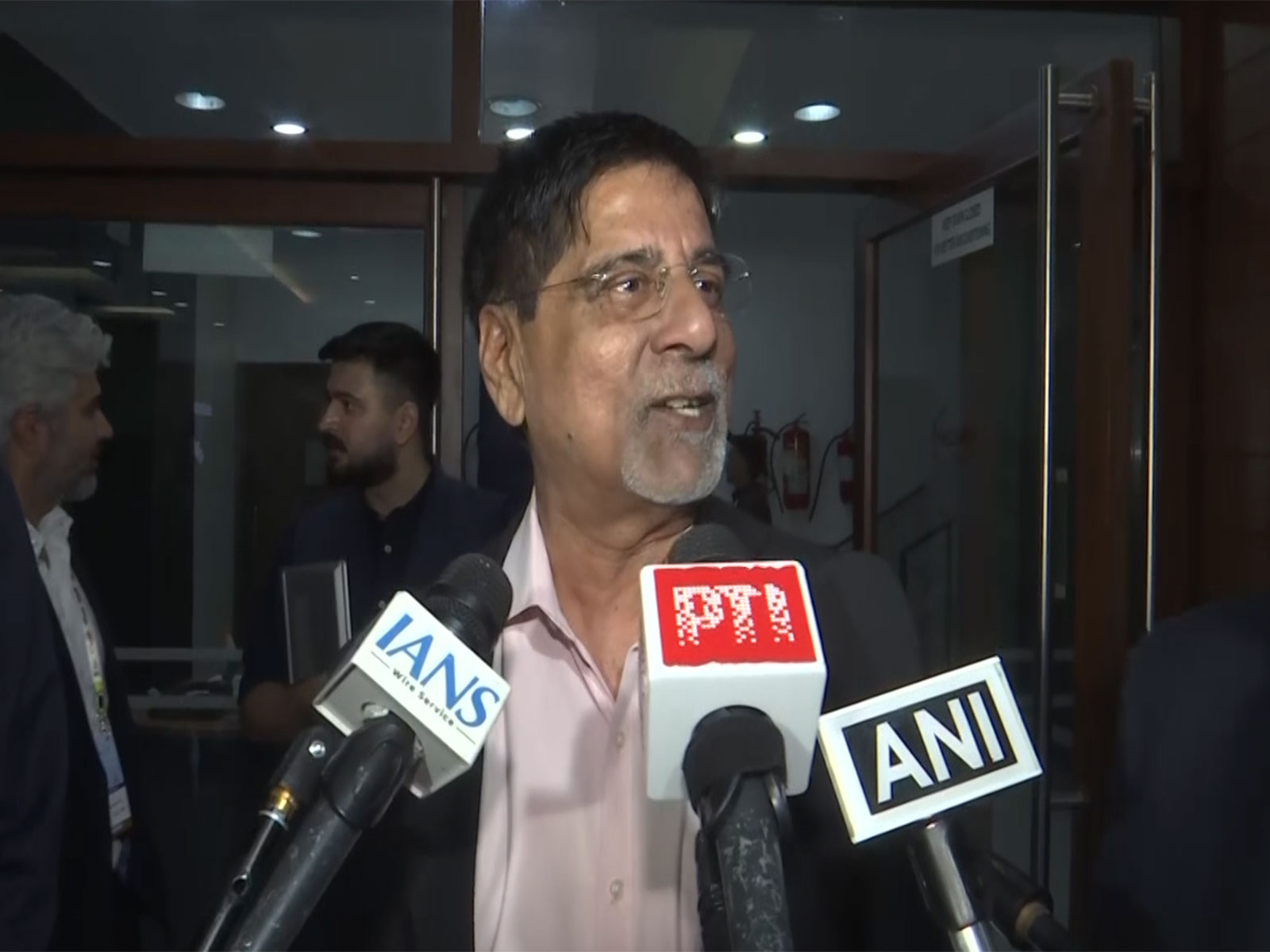
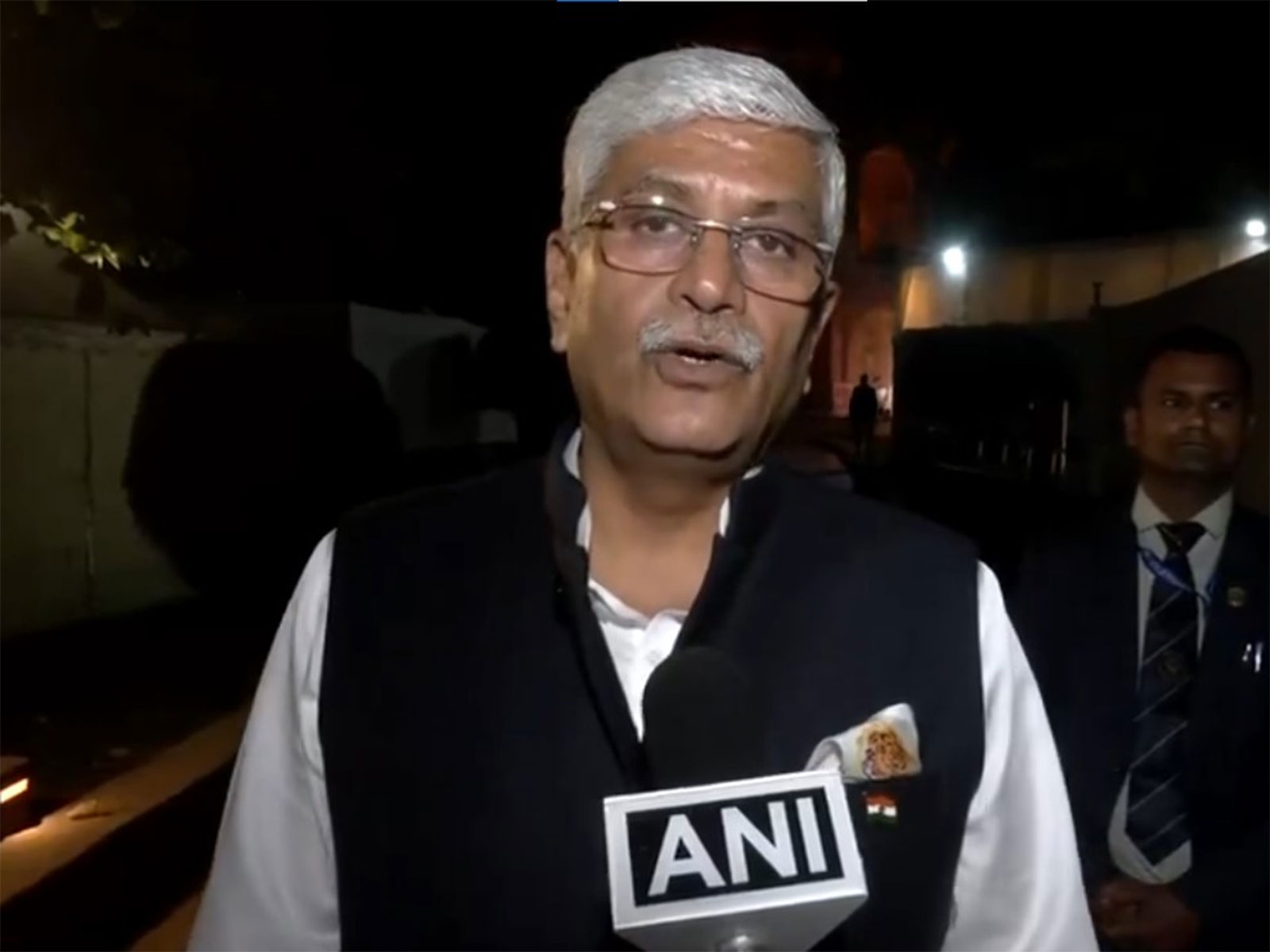
New Delhi [India], November 20 : Union Minister Gajendra Singh Shekhawat on Friday referred to India's shared cultural and civilisational heritage with Pakistan, saying that the neighbouring country was "only 80 years away" from India.
Emphasising the importance of cultural dialogue among Shanghai Cooperation Organisation (SCO) nations, Shekhawat said discussions on cultural practices and shared heritage could highlight civilisational connections that transcend present-day political boundaries.
"I believe that when a civilisational dialogue takes place—when there is a discussion on cultural practices and our shared cultural heritage—Pakistan is only 80 years away from us," he told ANI.
Shekhawat also said the forum, which brings together 27 nations, was envisioned by Prime Minister Narendra Modi.
"This brings together 27 nations—comprising member states, dialogue partners, and observer countries of the SCO. The initiative for this gathering was proposed by the Prime Minister during a meeting in China, held to mark the 25th anniversary of the SCO. He suggested that the inaugural meeting be hosted by India, with the vision that the SCO should evolve beyond a platform for economic activities, development, or bilateral diplomatic relations—transforming instead into a forum for cultural dialogue to foster stronger people-to-people connections. The Prime Minister emphasised that this should not merely be a platform for academic discourse; rather, it should lead to a comprehensive action plan outlining our vision for the next decade," the Union Minister said.
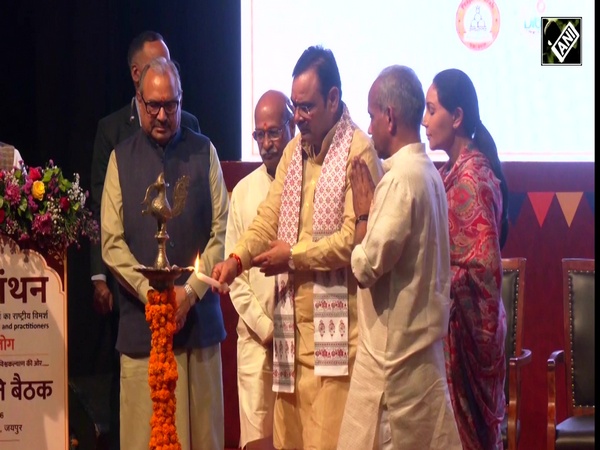
Earlier, addressing the first SCO Civilisational Dialogue Forum at Purana Qila in New Delhi, Union Minister Gajendra Singh Shekhawat on Friday underscored the role of cross-cultural exchange in fostering global harmony, linking the forum to Prime Minister Narendra Modi's vision and India's heritage-driven approach to development.
"The SCO, in its 25-year journey, has emerged as an important platform for mutual trust, cooperation, and shared progress. For millennia, our civilisations have been connected through the exchange of ideas, knowledge, philosophy, art, and spirituality," Shekhawat said.
"History reminds us that civilisations flourish not in isolation, but through dialogue and mutual enrichment. It is this profound inheritance that inspired our Prime Minister to propose the SCO Civilisation Dialogue Forum at the Tianjin Summit in 2025. This initiative reflects India's timeless civilizational philosophy, Vasudhaiva Kutumbakam (the world is one family), a philosophy that finds a natural resonance in the Shanghai Spirit of mutual respect, equality, and shared development," the Union Minister added.
Speaking on India's cultural legacy, he further said, "India is among the world's oldest living civilisations. Our traditions of knowledge, philosophy, science, literature, and art have enriched humanity for millennia. Under Prime Minister Modi's leadership, India is witnessing a remarkable cultural renaissance guided by the principle 'Vikas Bhi, Virasat Bhi' (development with heritage). For us, heritage is not merely a remembrance of the past; it is a living resource for shaping the future. Monuments, manuscripts, traditional art, and cultural institutions must become sources of knowledge, livelihood, creativity, and national confidence."
India is hosting the three-day multilateral event from November 20 to 22, bringing together participants from SCO member states, observers and dialogue partners to explore the region's shared civilisational heritage and strengthen cultural cooperation.
The initiative builds upon the proposal made by Prime Minister Modi at the SCO Summit in Tianjin, China, in 2025 to establish a dedicated platform for civilisational dialogue under the SCO framework.
The proposal was subsequently welcomed in the Bishkek Declaration of the SCO.
The forum is envisaged as a dedicated platform under the SCO framework to encourage dialogue on shared civilisational heritage and foster greater cultural understanding and cooperation across the region.