Pakistan’s Punjab battles hazardous smog as multiple cities record dangerous pollution levels
Nov 21, 2026
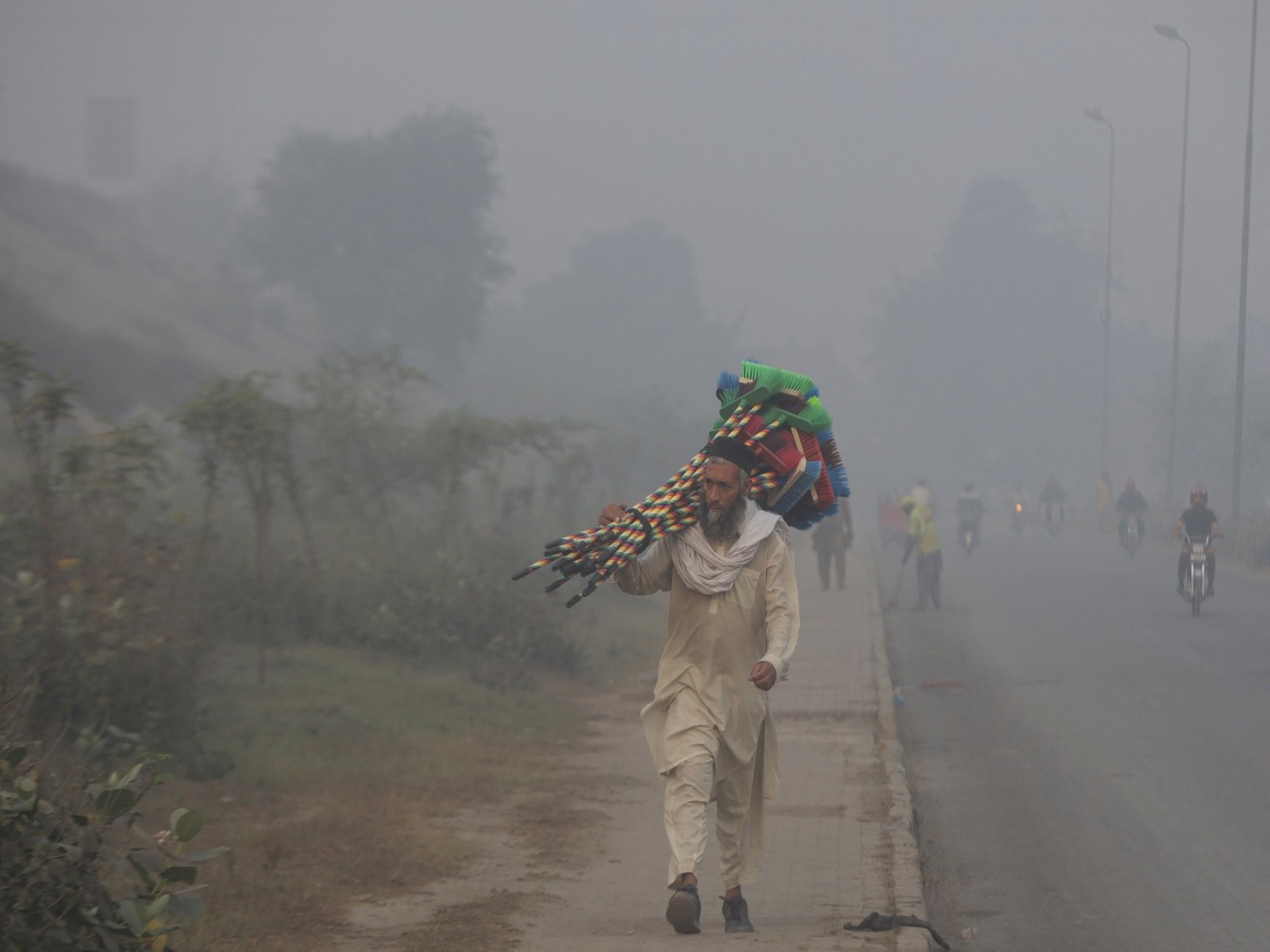
Lahore [Pakistan], November 21 : Severe smog continued to grip Pakistan's Punjab province on Friday, pushing air pollution to hazardous levels across several major cities and exposing residents to serious health risks.
Lahore recorded an hourly Air Quality Index (AQI) of 465 between 7 am and 8 am, while Gujranwala and Multan registered alarming readings of 661 and 641, respectively, Dawn reported, citing real-time air quality data.
According to Dawn, a separate ranking of Pakistani cities placed Gujranwala at the top with an AQI of 661, followed by Multan at 641 and Lahore at 426. Other cities, including Sargodha (289), Sialkot (232), Rahim Yar Khan (228) and Bahawalpur (198), also reported elevated pollution levels.
The widespread deterioration highlights the growing public health challenge facing Punjab, where residents continue to grapple with toxic air, particularly children, elderly people and those suffering from respiratory and cardiovascular illnesses.
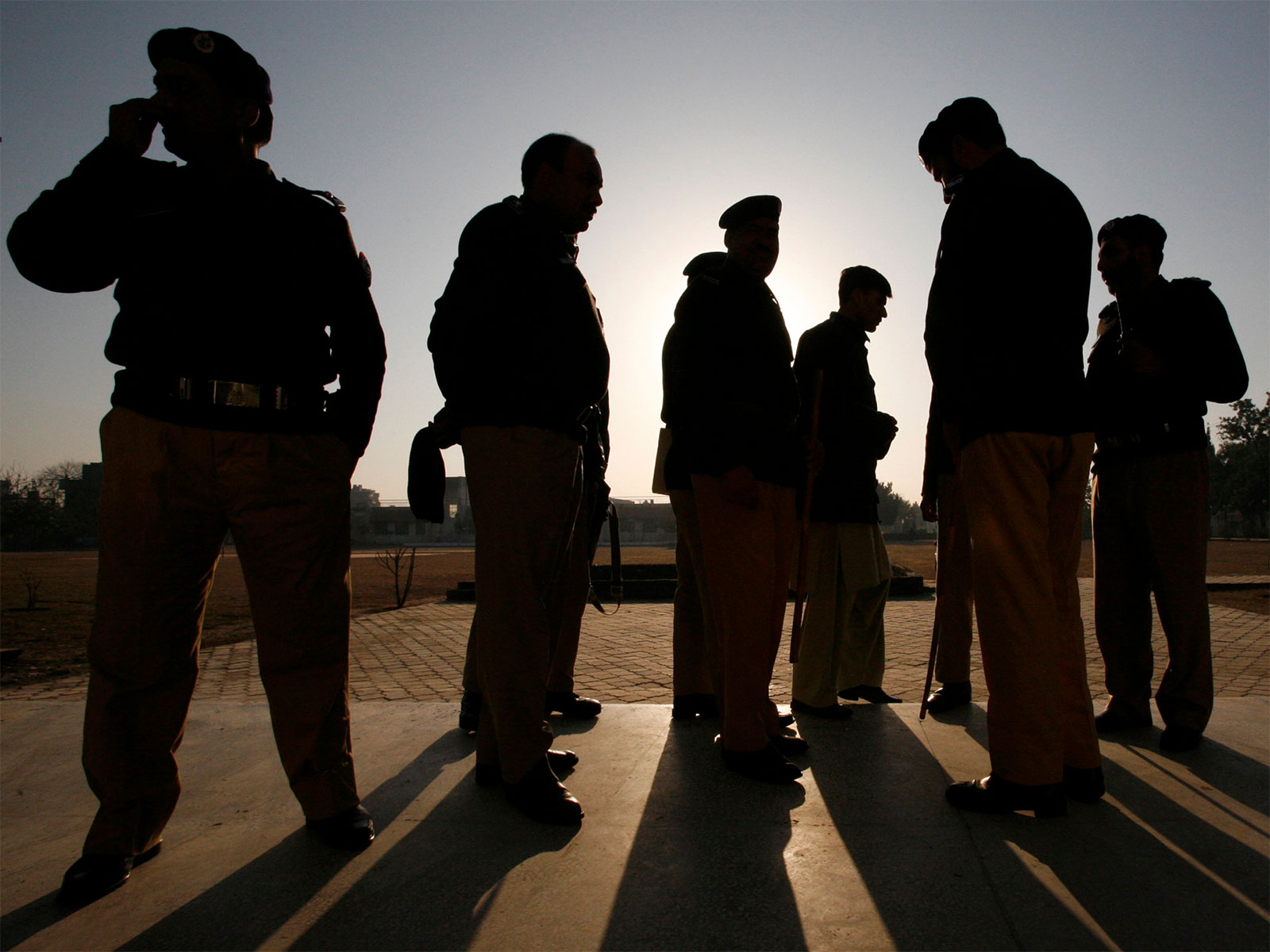
Dawn reported that the pollution crisis persists despite extensive enforcement operations by the Punjab Environment Protection and Climate Change Department against polluting industries and non-compliant brick kilns.
Departmental figures cited by Dawn showed that between January 1 and November 18, enforcement teams inspected 84,370 brick kilns, demolished 1,429 units, sealed 968 and registered 1,248 FIRs against violators. Fines amounting to Rs 178 million were also imposed.
During the critical smog period between September 1 and November 18, authorities conducted 29,999 inspections, demolished 519 kilns and sealed 494 units, while registering 408 FIRs and imposing fines worth Rs 101.45 million.
The enforcement drive also continued in November, with 7,509 inspections in the first 18 days, resulting in 101 demolitions, 161 sealed kilns and 96 FIRs.
Meanwhile, Dawn, citing the 2025 World Air Quality Report, reported that Pakistan's average PM2.5 concentration reached 67.3 micrograms per cubic metre in 2025, nearly 14 times the World Health Organisation's annual guideline of five micrograms.
The figures underline the persistent failure to bring down dangerous pollution levels despite repeated enforcement drives, leaving millions exposed to unhealthy air.