PHDCCI bats for income tax cap of 20% up to Rs 30 lakh, 25% up to Rs 50 lakh; zero LTCG, lower STCG tax
Nov 18, 2026
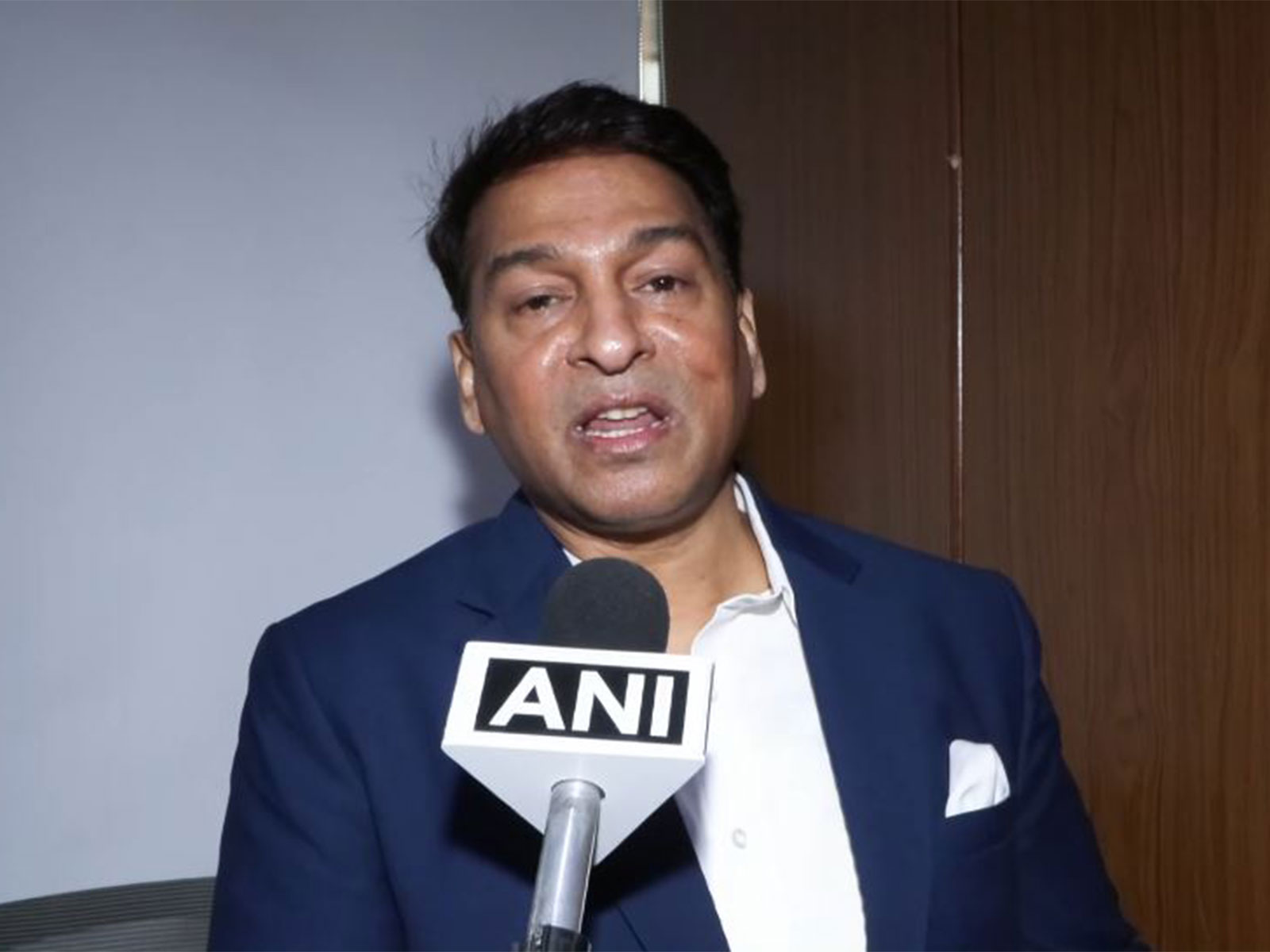
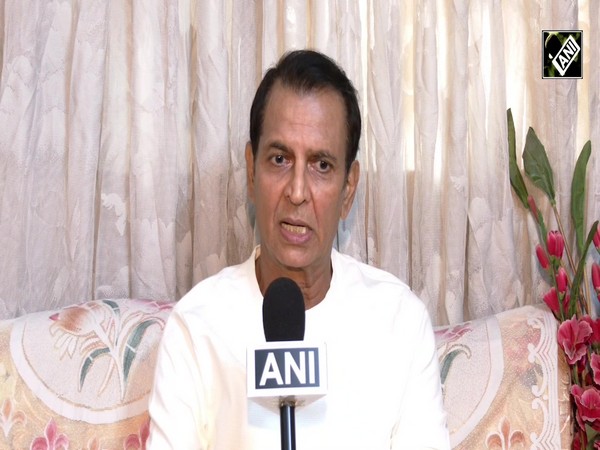
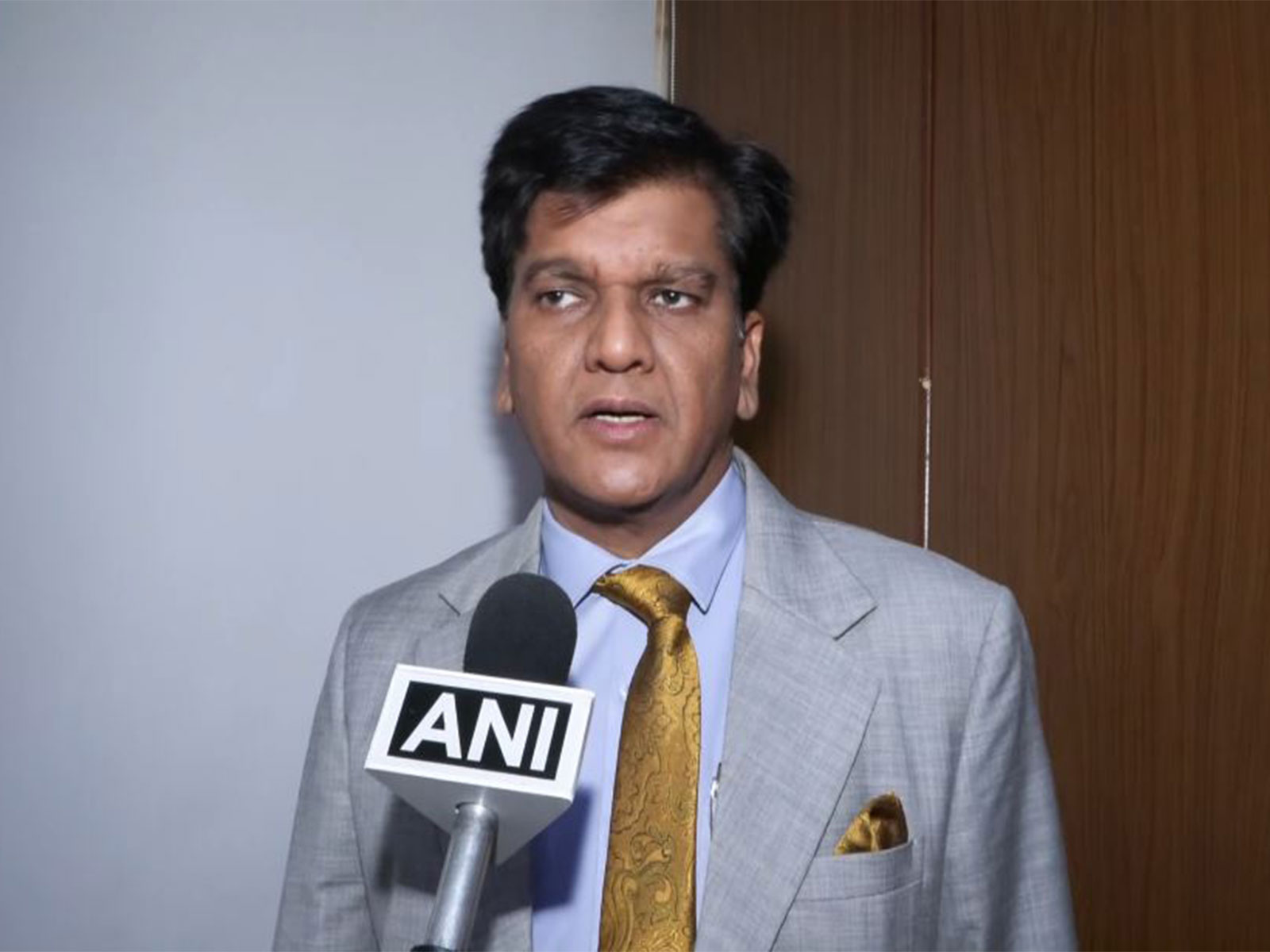
New Delhi [India], November 18 : Personal income tax rates should be capped at 20 per cent for annual incomes up to Rs 30 lakh, 25 per cent for incomes between Rs 30 lakh and Rs 50 lakh, and 30 per cent for incomes above Rs 50 lakh, Mukul Bagla, Chair of the Direct Tax Committee at PHDCCI, said on Wednesday.
Speaking to ANI, Bagla said rationalising personal income tax rates would encourage compliance and boost government revenue.
“We have recommended that in India, we should have a maximum tax rate of 20 per cent till income of Rs 30 lakh, a tax rate of 25 per cent for income between Rs 30 lakh and Rs 50 lakh, and a 30 per cent tax rate can be there beyond Rs 50 lakh,” he said.
Citing the reduction in corporate tax rates in 2019, Bagla said lower tax rates had helped increase tax collections.
“The government made an excellent move in 2019. They reduced the tax rate from an effective rate of close to 35 per cent to 22 per cent, plus surcharge, which makes it 25 per cent,” he said.
He said corporate tax collections had increased from around Rs 6.6 lakh crore to Rs 12 lakh crore over the next six to seven years. Corporate tax collections also recorded nearly 21 per cent growth between April and October this year, he added.
Referring to the personal income tax relief announced in the 2025 Budget, Bagla said tax collections had continued to grow despite the reduction in the tax burden on individuals. Personal income tax collections registered around 8 per cent growth during April-October, he said.
“Lowering tax rates in India results in more compliance, more income shown by the assesses, resulting in higher tax collections,” Bagla said.
On capital market taxation, he recommended reducing the long-term capital gains (LTCG) tax on listed securities to zero for both foreign portfolio investors (FPIs) and domestic investors. He also proposed reducing the short-term capital gains (STCG) tax from the existing 20 per cent to 10 per cent.
Bagla said the proposed changes would encourage investment in Indian capital markets and help address foreign fund outflows.
He pointed out that foreign investors had withdrawn around Rs 3 trillion in the previous year and Rs 1.6 trillion until October this year.
“We cannot afford, as a country, to have FPI money going out. If we want India to become a very large economy, we need more and more foreign funds,” he said.
He said capital markets also provide businesses with an opportunity to raise funds for expansion, generate employment and contribute to economic growth.
“That money which goes into the IPOs directly to the entrepreneur is contributing to the development of the country. That is why the long-term capital gain should be brought to nil,” he said.
On tax administration, Bagla said the system had become more efficient with the increasing use of technology and computerised processing. However, he expressed concern over the large number of pending faceless appeals.
He said nearly six lakh appeals were pending before Commissioners of Income Tax (Appeals), with some cases filed seven to eight years ago still awaiting disposal.
Bagla urged the Central Board of Direct Taxes (CBDT) and the Revenue Secretary to take steps to expedite the disposal of pending appeals.
He also raised concerns over the recovery of 20 per cent of disputed tax demands from small taxpayers during the pendency of appeals, despite the Finance Minister's earlier assurance that the amount would be limited to 10 per cent.
According to Bagla, the absence of a formal CBDT notification or circular had prevented the proposed relief from being implemented, creating liquidity-related difficulties for small businesses and individual taxpayers.
Separately, he called for a revision of the 1994 guidelines governing the seizure of gold and jewellery during income tax searches.
Under the existing guidelines, 500 grams of gold for a married woman, 250 grams for an unmarried woman and 200 grams for an adult male are generally not seized, subject to applicable conditions.
Bagla said these limits needed to be revised to reflect changes over the past 32 years. He suggested increasing the permissible quantities to one kilogram or more.
The recommendations come ahead of the Union Budget, with PHDCCI seeking changes in personal taxation, capital gains taxation and tax administration to promote investment, improve compliance and support economic growth.