PM Modi speaks to JD Vance, discusses ways to deepen India-US partnership
Aug 08, 2026
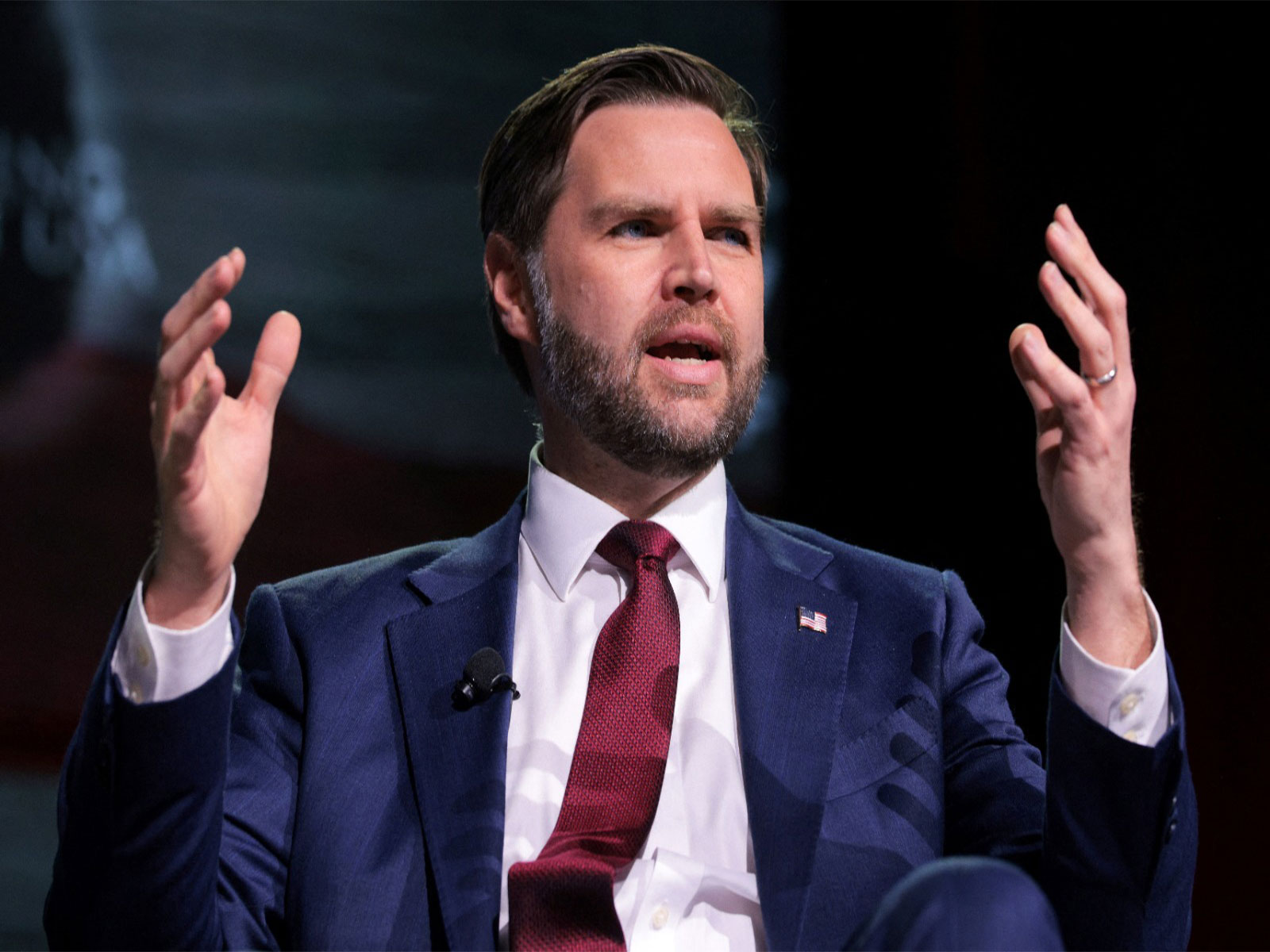
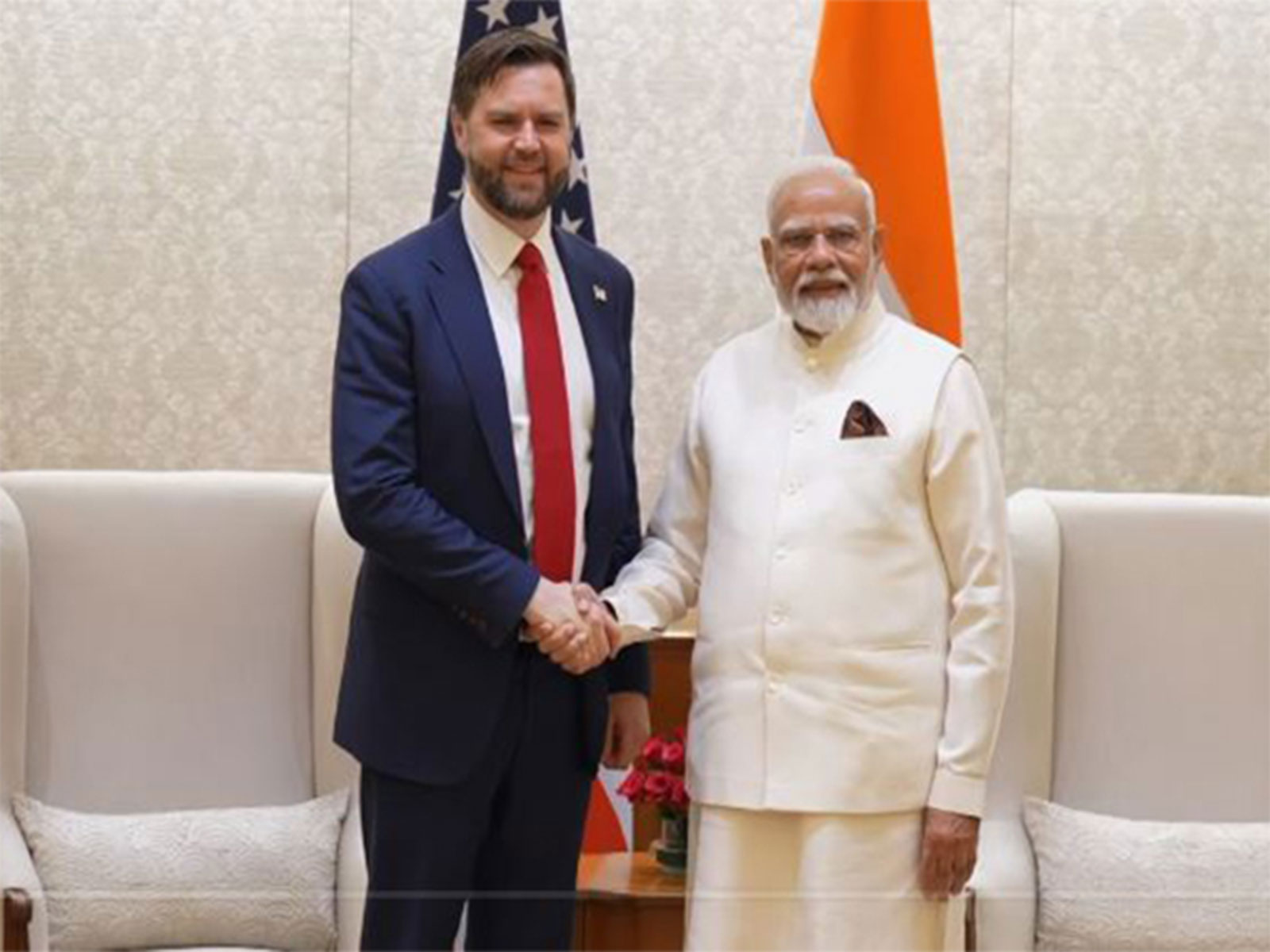
New Delhi [India], August 9 : Prime Minister Narendra Modi received a phone call from US Vice President JD Vance, during which both leaders discussed ways to deepen the India-US Comprehensive Global Strategic Partnership across key areas.
On Saturday, in a post on X, PM Modi wrote, "Received a phone call from US Vice President JD Vance. We discussed ways to further deepen India-US Comprehensive Global Strategic Partnership across key areas."
https://x.com/narendramodi/status/2086143126729584815?s=48
The Prime Minister also extended his congratulations to the US Vice President and the Second Lady on the birth of their son.
"Warmly congratulated him and the Second Lady on the birth of their son and conveyed best wishes to the entire family," the post added.
This comes after Vance on Saturday (local time) said that Washington is working to establish a route allowing commercial ships to safely pass through the Strait of Hormuz, while continuing to pressure Iran amid ongoing tensions in the region.
Speaking to Fox News host Kayleigh McEnany on 'Saturday in America', Vance said the plan includes Iran's commitment not to fire on commercial ships, he says, adding that Tehran informed Washington it would allow the maximum flow of oil through the strait but "we don't trust it".
"We're talking to the Iranians, of course. We're trying to maximise the amount of oil and gas that is coming out of the Strait of Hormuz," Vance said.
Meanwhile, the US Senate passed a bipartisan bill on Friday that could authorise Donald Trump to levy tariffs of up to 100% on goods from countries, including India and China, that continue importing Russian oil and gas, maintaining that such trade helps sustain Moscow's economy and fund its military operations in Ukraine.
The Senate approved the Lindsey O Graham Sanctioning Russia and Iran Act of 2026 by an overwhelming 86-11 vote. Named after the late Republican Senator Lindsey Graham, one of its principal architects, the legislation aims to escalate economic pressure on Russia and Iran while targeting nations that maintain major energy trade ties with Moscow.
Under the provisions, the US president would be granted discretionary authority to impose tariffs of up to 100% on imports from the world's top five buyers of Russian crude oil or natural gas.
Beyond targeting foreign energy buyers, the legislation outlines fresh sanctions against Russian President Vladimir Putin, senior political and military officials, financial institutions, energy developments and connected entities linked to Russia's war effort.
It further extends US sanctions to older and reflagged oil tankers allegedly utilised by Russia to circumvent global restrictions and maintain energy export revenues. The broader objective is to restrict the financial flows supporting Russia's economy and military campaign.
The legislation empowers the US president to enforce tariffs of up to 100% on goods imported from the top five purchasers of Russian oil or natural gas. India remains one of the largest buyers of Russian crude globally, alongside China.
The measure seeks to present energy-importing nations with a choice between continuing to purchase discounted Russian energy or retaining access to the lucrative US market.
India expanded its procurement of discounted Russian crude following the outbreak of the Russia-Ukraine conflict in 2022 to secure national energy requirements during global market turmoil.
While Russia was historically not a traditional primary supplier for India, the availability of discounted crude allowed Indian refiners to optimise raw material costs and ensure uninterrupted domestic supplies, particularly amid transit disruptions in the Strait of Hormuz.
New Delhi has consistently maintained that its energy procurement strategy is guided strictly by national interest, energy security and the imperative to guarantee affordable and reliable energy for its citizens.