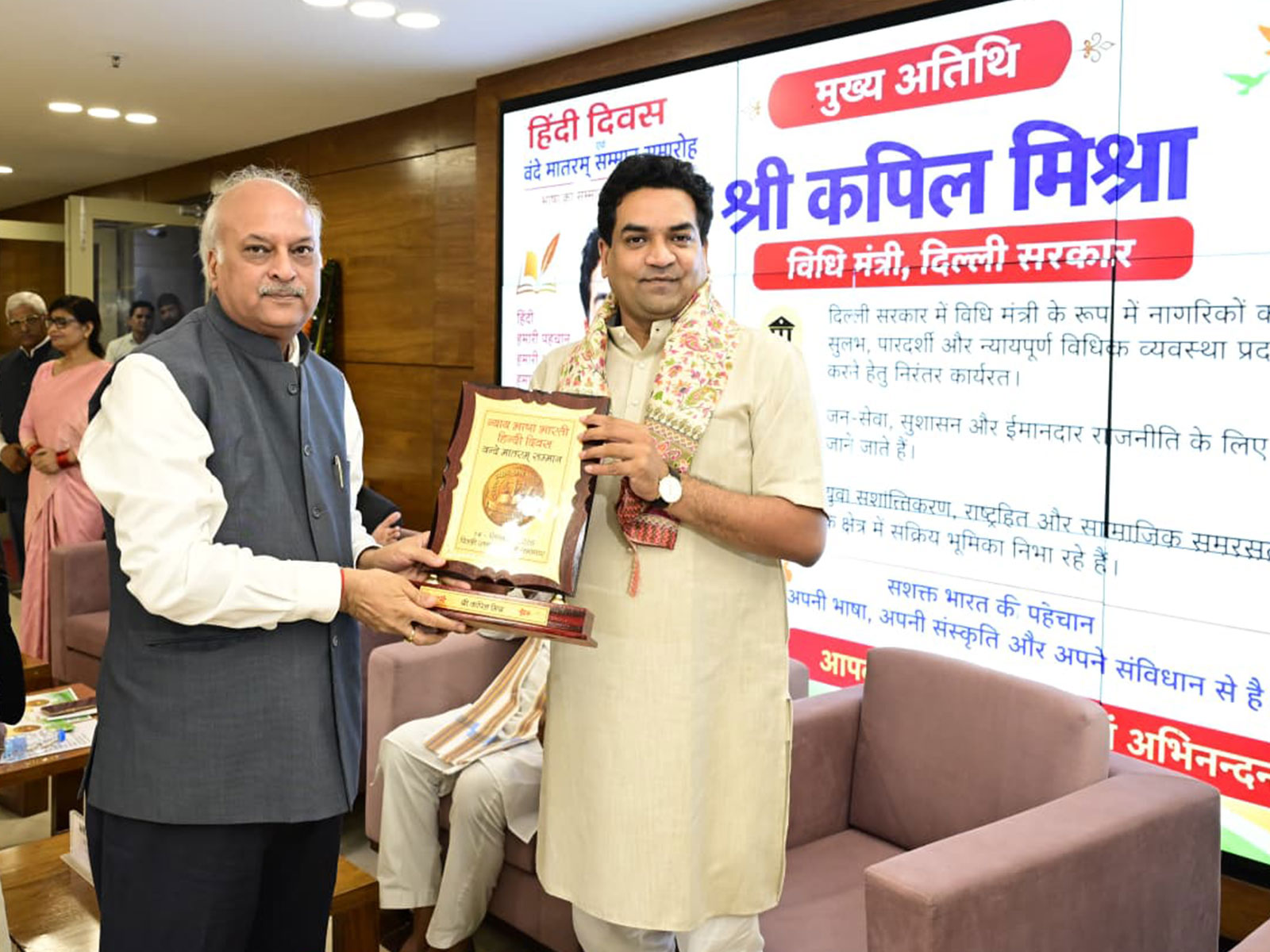
"Prestige of Hindi has grown both within country and globally": Delhi Minister Kapil Mishra extends Hindi Diwas greetings
Sep 14, 2026
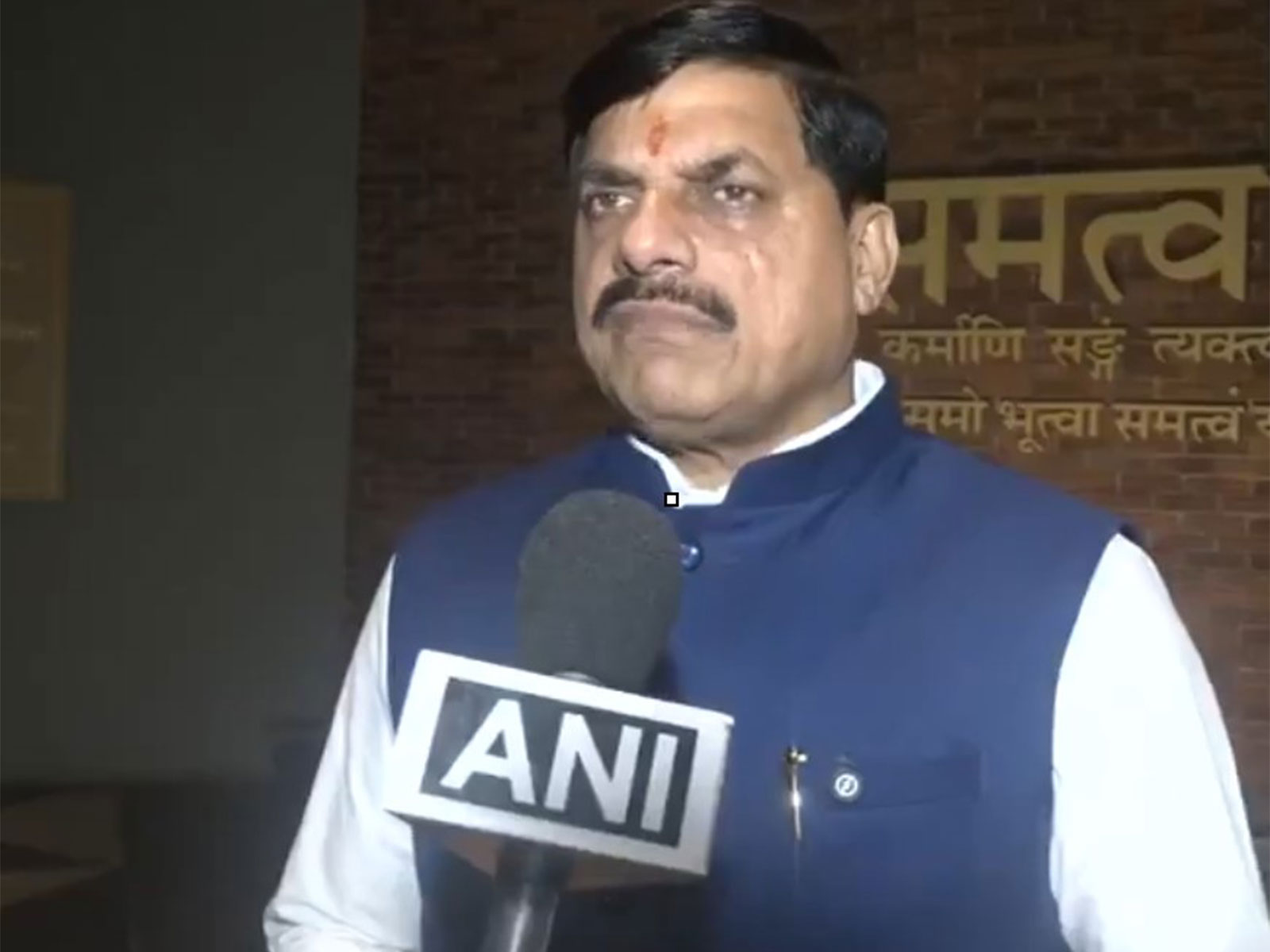
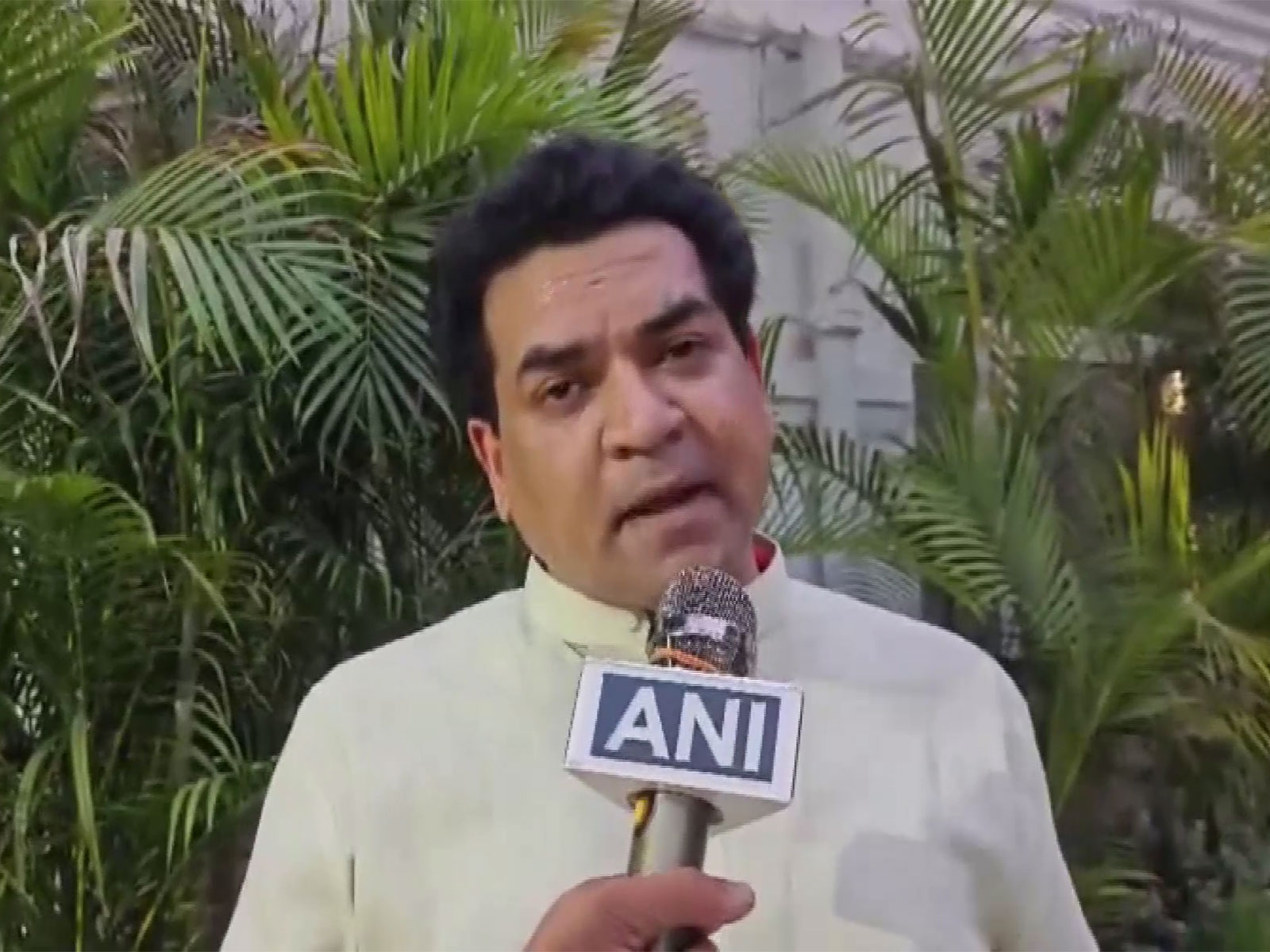
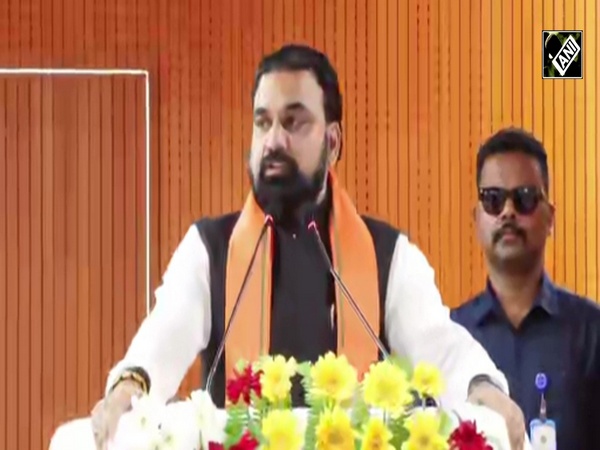
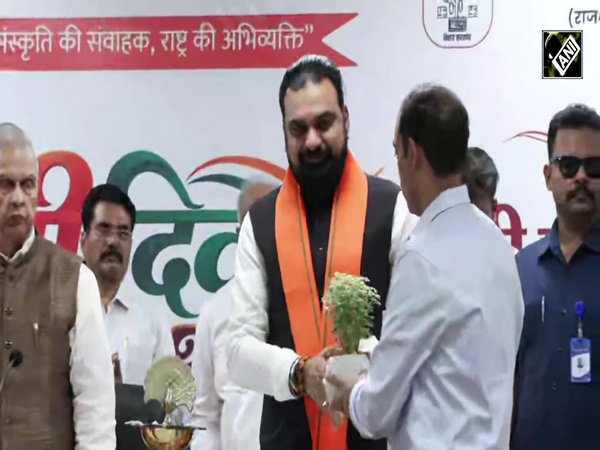
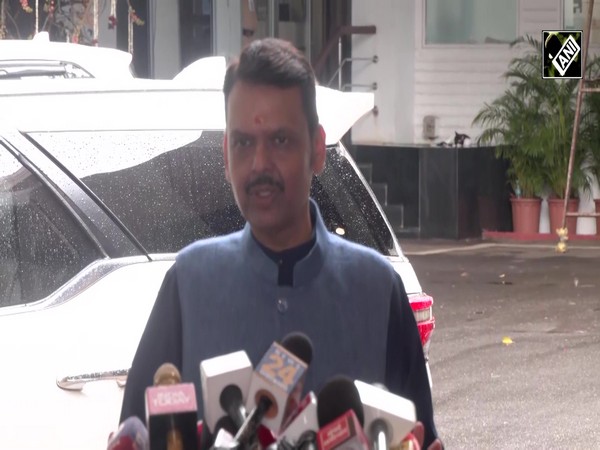
New Delhi [India], September 14 : Delhi Minister Kapil Mishra extended his greetings to the people of Delhi on the occasion of Hindi Diwas on Monday.
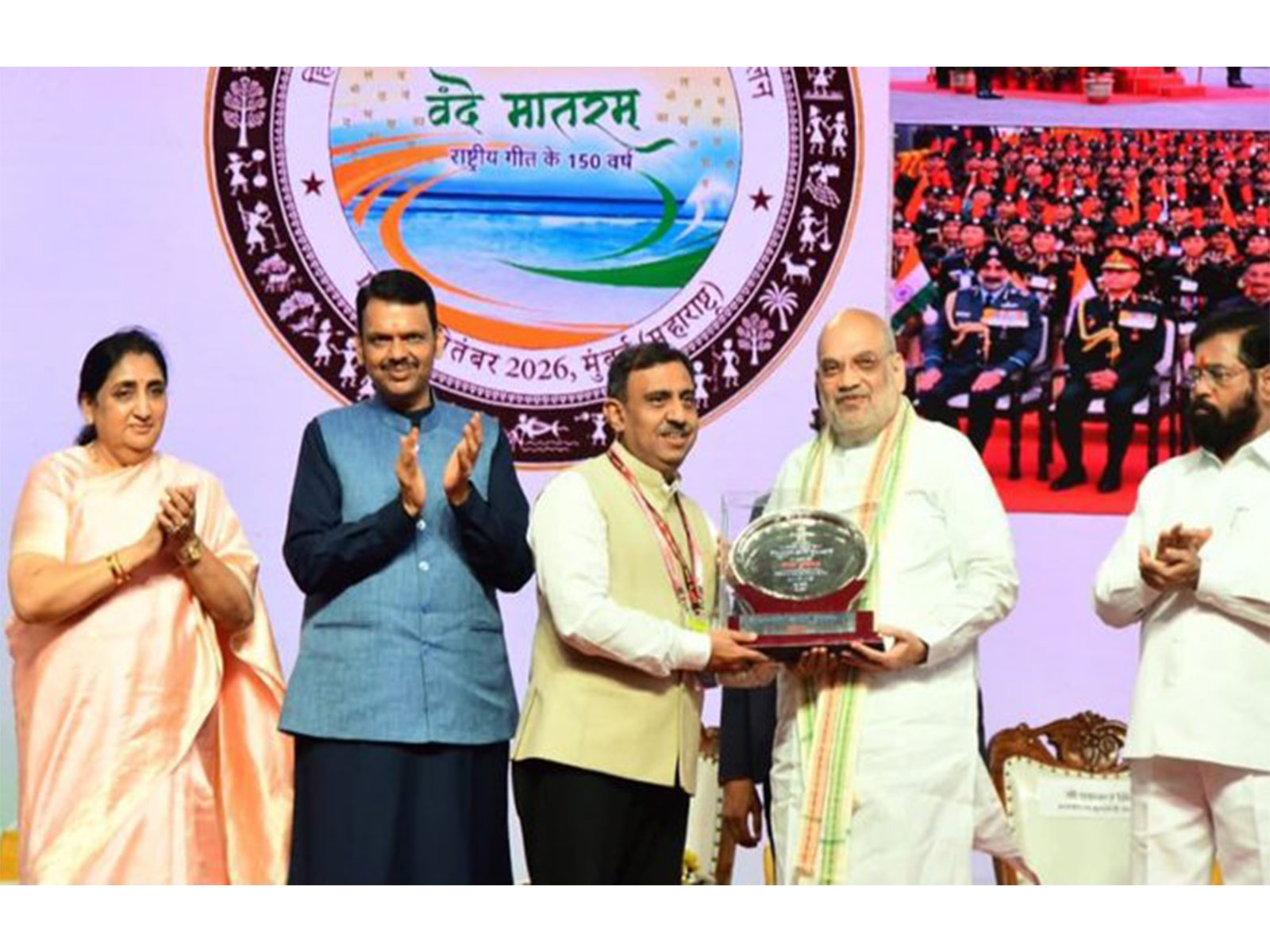
According to the release, a 'Hindi Diwas and Vande Mataram Award Ceremony' was organised by Bhasha Bharati at the Delhi High Court complex on Monday. 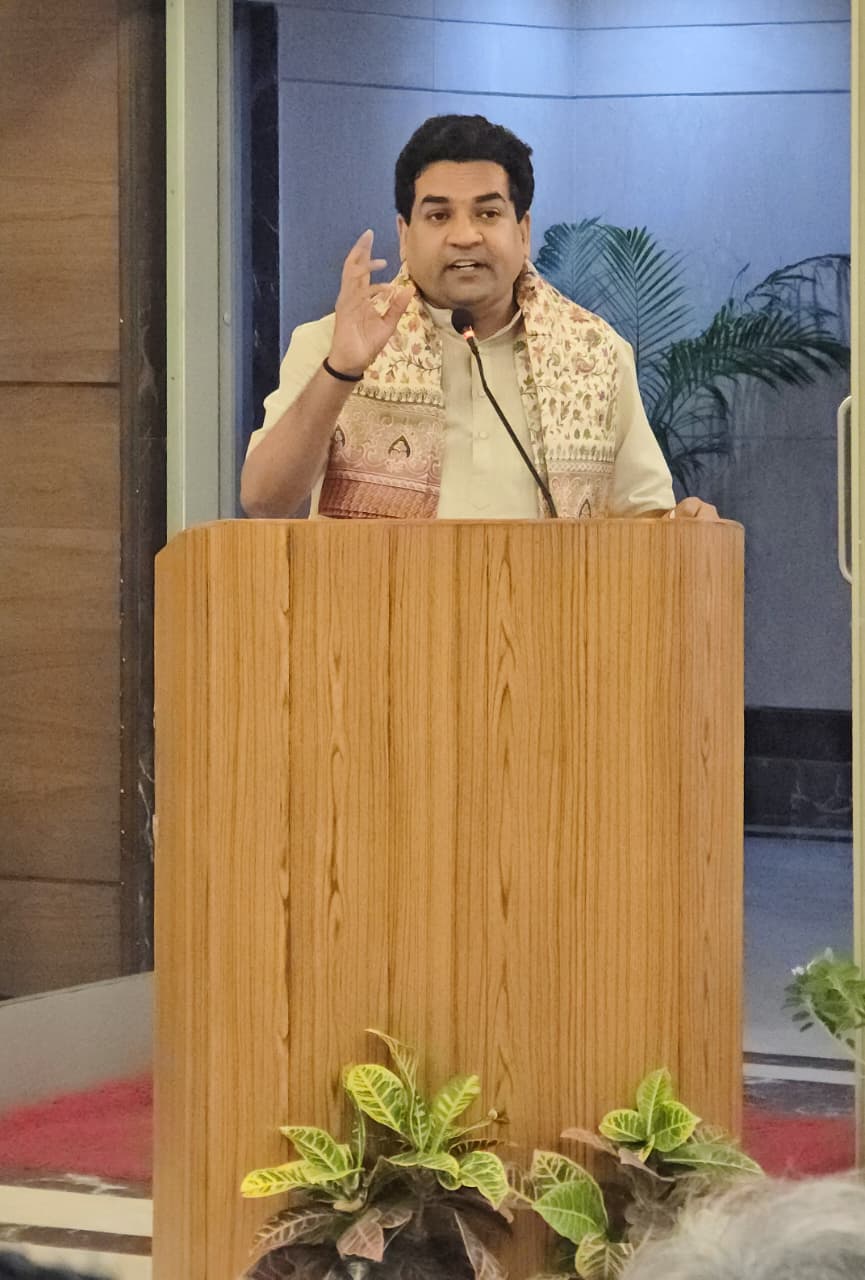
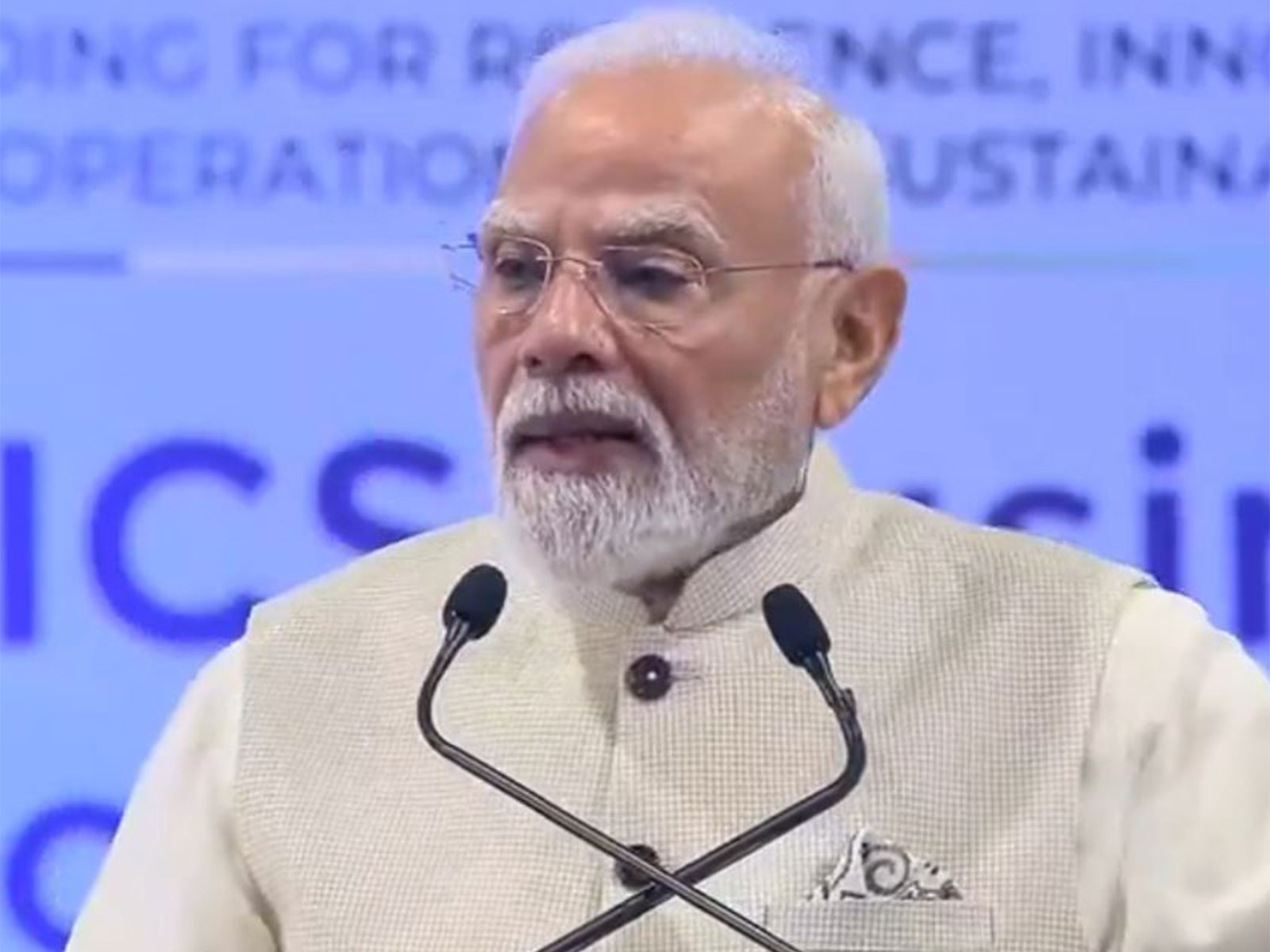
Kapil Mishra stated that under the leadership of Prime Minister Narendra Modi, the prestige of Hindi has grown both within the country and globally, and national unity has been strengthened, a fact recently evidenced at the BRICS summit.
Mishra remarked that following the directives of Prime Minister Narendra Modi, Baba Saheb’s dream of a Uniform Civil Code would be realised, further strengthening national unity.
He noted that the promotion of Indian languages in vital national institutions, such as the judiciary and the armed forces, signals a positive transformation. He observed that an atmosphere of respect and acceptance for Indian languages is steadily strengthening across the country.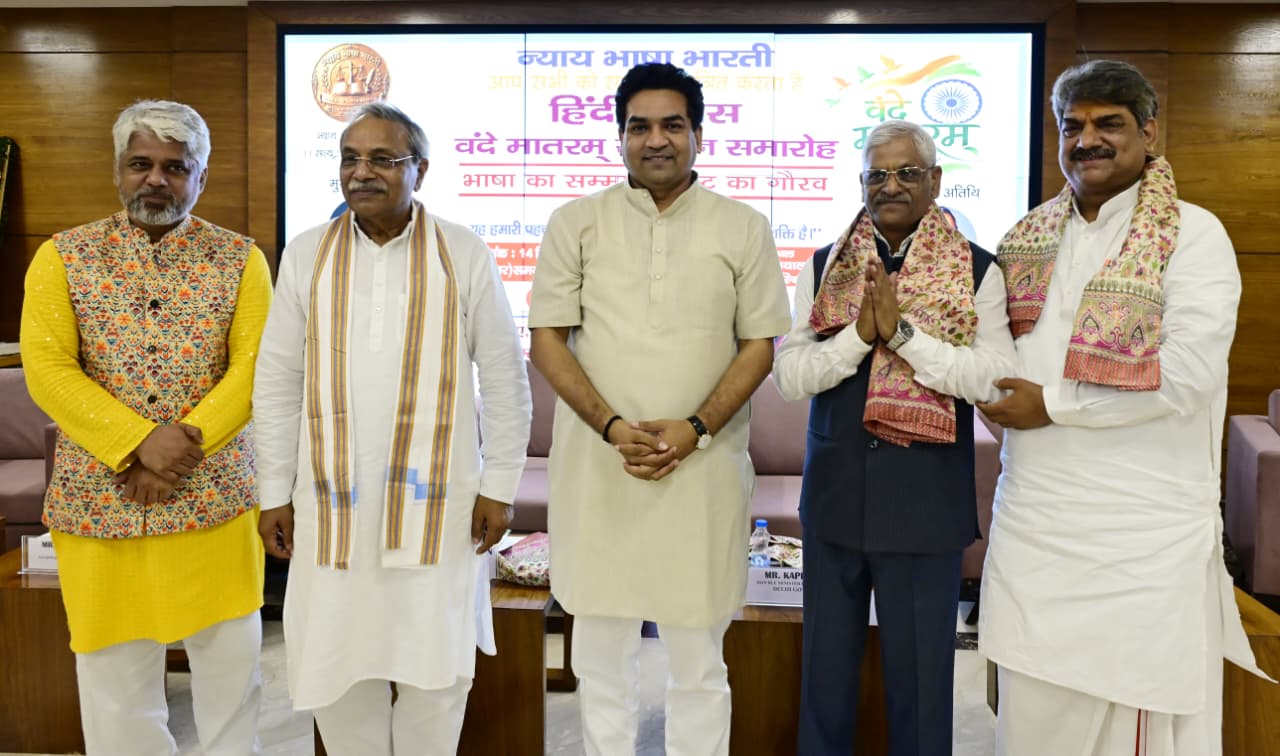
Kapil Mishra pointed out that while the entire nation sings the national song 'Vande Mataram' with immense pride, the opposition, engaged in petty appeasement politics, shies away from it. The country is watching this.
The Minister stated that serious and constructive dialogue could be held with all stakeholders to advance the ideas shared today regarding the promotion of Hindi usage in Delhi's courts. He stated that practical possibilities regarding this matter should be explored through dialogue with the relevant stakeholders within the judiciary.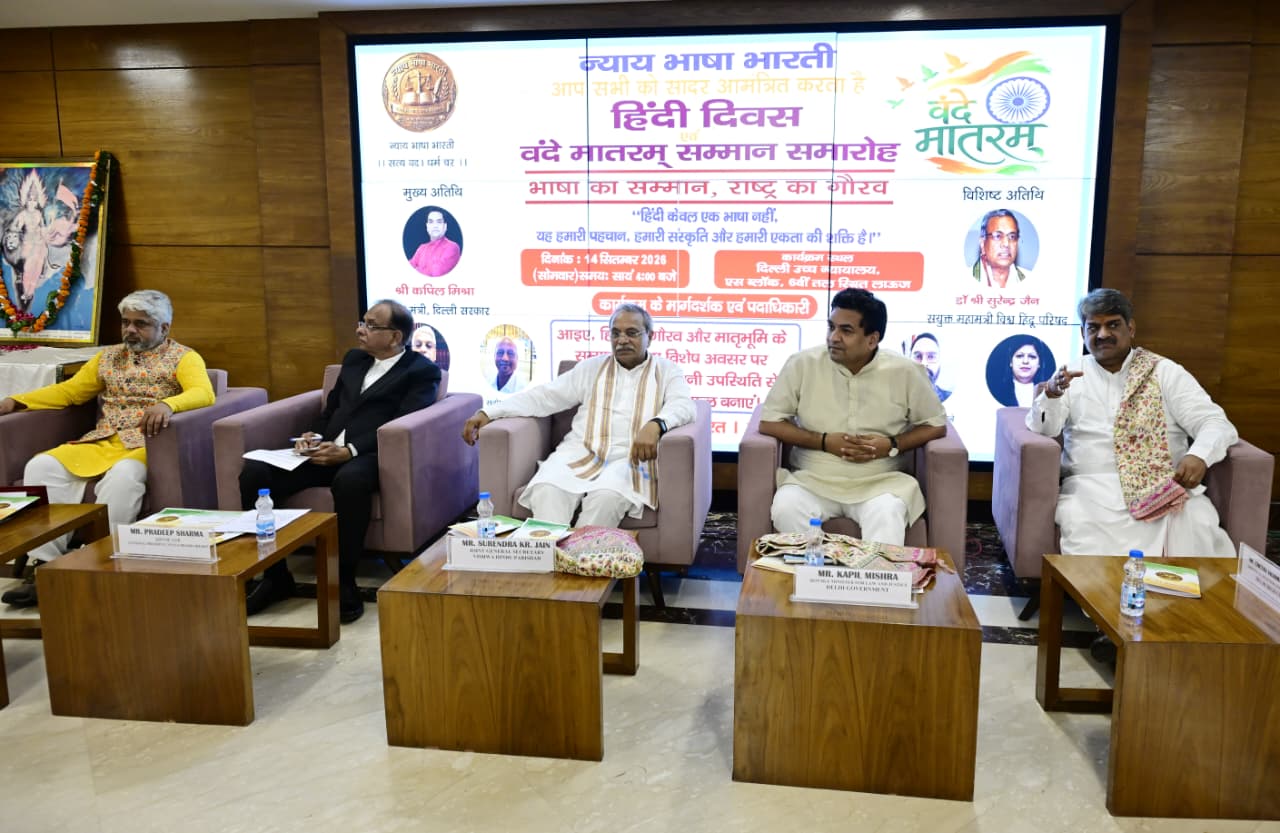
The Minister noted that the influence of English persisted in India's administration and public life for a long time because, during the colonial era, a select group, proficient in English and accustomed to interacting with the English administration, was closely aligned with power and governance.
He observed that even after independence, the transformation of this system was gradual, and it took a long time for Indian languages to secure their rightful place in public life.
Kapil Mishra remarked that circumstances have changed today; there is now greater confidence within society regarding one's own languages, and respect for Indian languages has also grown stronger.
He stated that India possesses an incredibly rich linguistic heritage, and the preservation and promotion of Indian languages is not merely a matter of language itself, but also concerns the preservation of the country's culture, civilisation, traditions, and knowledge heritage.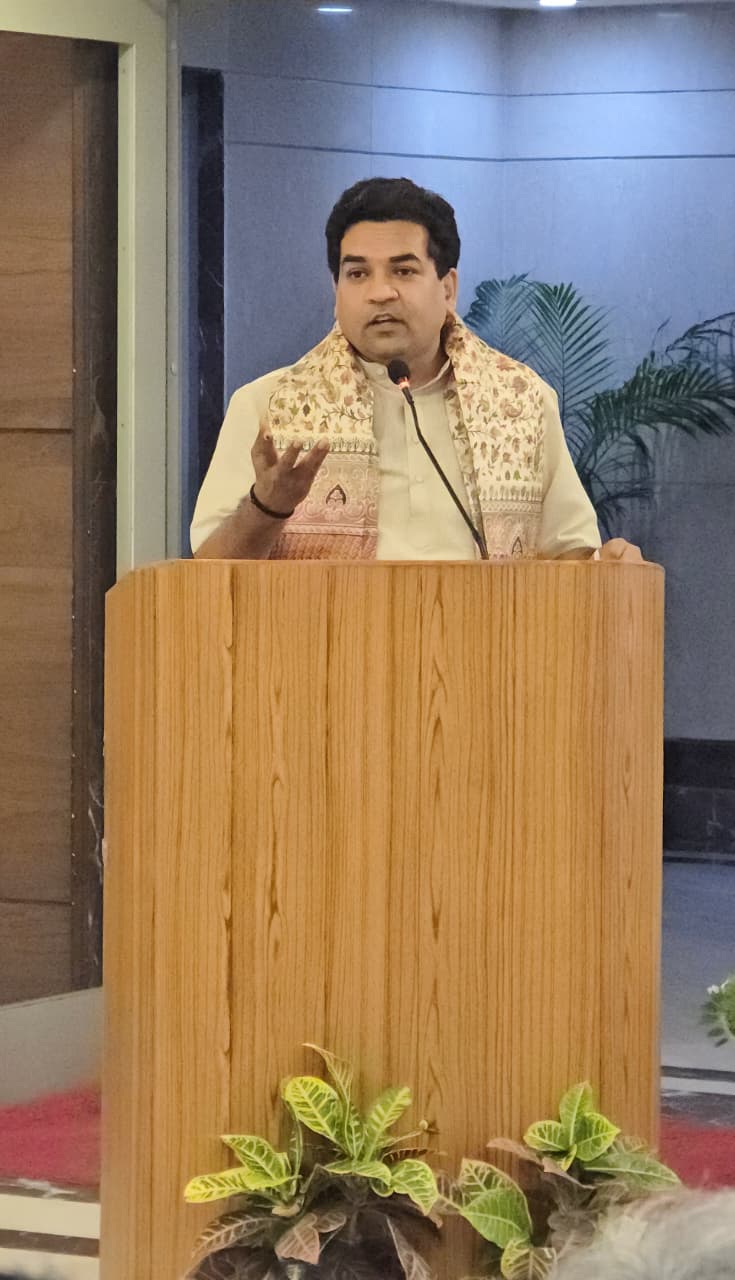
He emphasised that language serves as the medium for transmitting our culture, memories, traditions, and knowledge from one generation to the next. Therefore, alongside strengthening Indian languages, efforts must be made to pass on India's rich knowledge traditions to the new generation.
The Minister affirmed that India's linguistic diversity is its strength. All Indian languages, including Tamil, Telugu, Kannada, Malayalam, Bengali, Assamese, Marathi, Gujarati, Punjabi, and Hindi, possess their own unique literary and cultural heritage.
Expressing gratitude to 'Bhasha Bharati' and the legal experts for organising the event, Kapil Mishra stated that the task of promoting language is not the sole responsibility of the government or any single institution. Families, educational institutions, social organisations, litterateurs, intellectuals, and all sections of society can play a significant role in this endeavour.