Punjab CEO publishes final electoral rolls for 117 Assembly seats; over 7.97 lakh new voters enrolled in SIR 2026
Oct 12, 2026
Chandigarh (Punjab) [India], October 12 : The Office of the Chief Electoral Officer (CEO), Punjab, on Monday announced the successful completion of the Special Intensive Revision (SIR) 2026, officially publishing the Final Electoral Rolls for all 117 Assembly Constituencies across the state.
According to an official release, a total of 7,97,263 new electors have been enrolled statewide, taking the total electorate to 2,01,00,727. This marks a net increase of 3.64 per cent compared to the Draft Electoral Roll published in August.
The final voter list comprises 1,03,76,026 male electors, 97,24,195 female electors, and 506 third-gender voters. In addition, the final roll for Service Voters, with October 1, 2026, as the qualifying date, was also published.
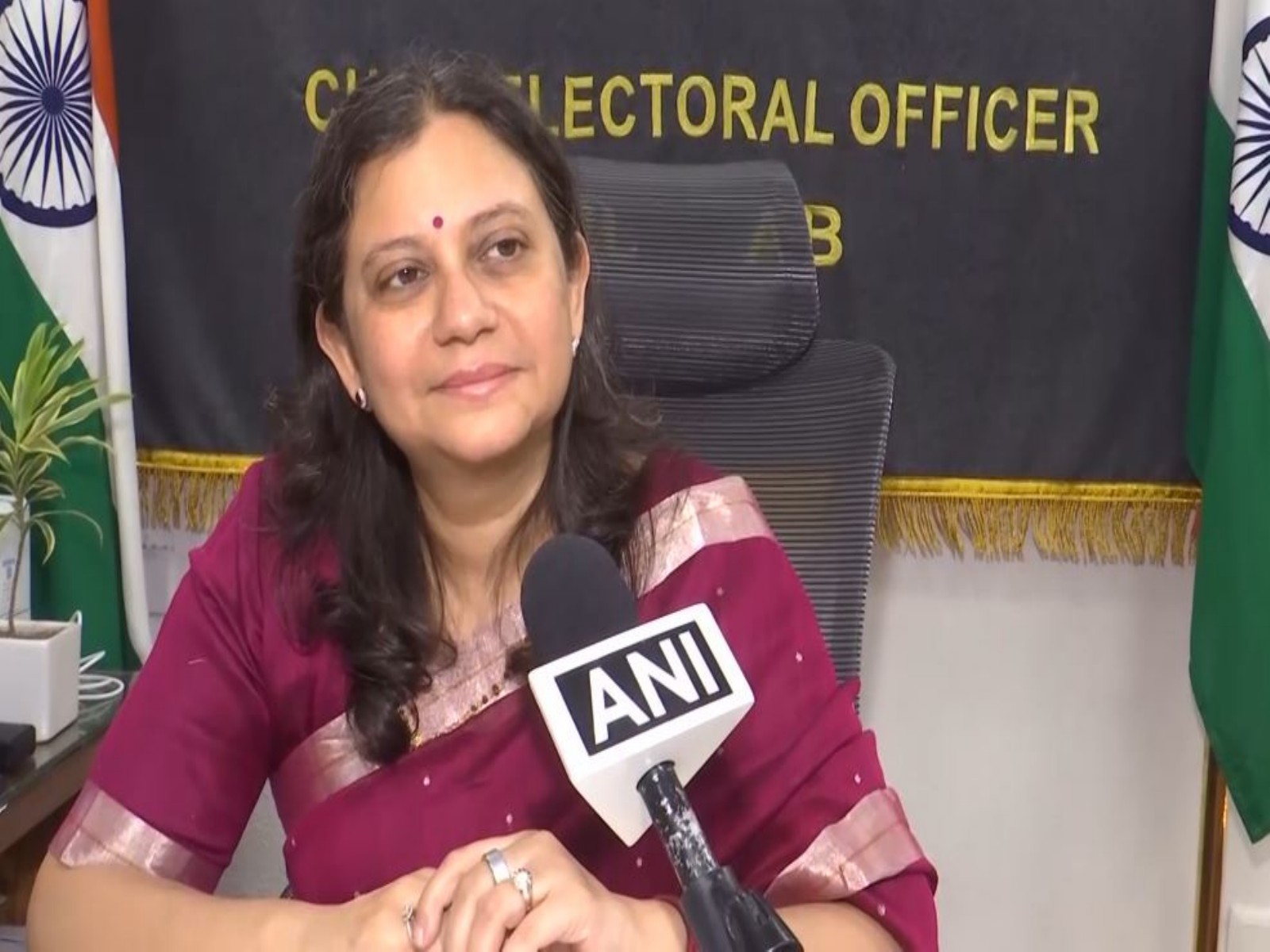
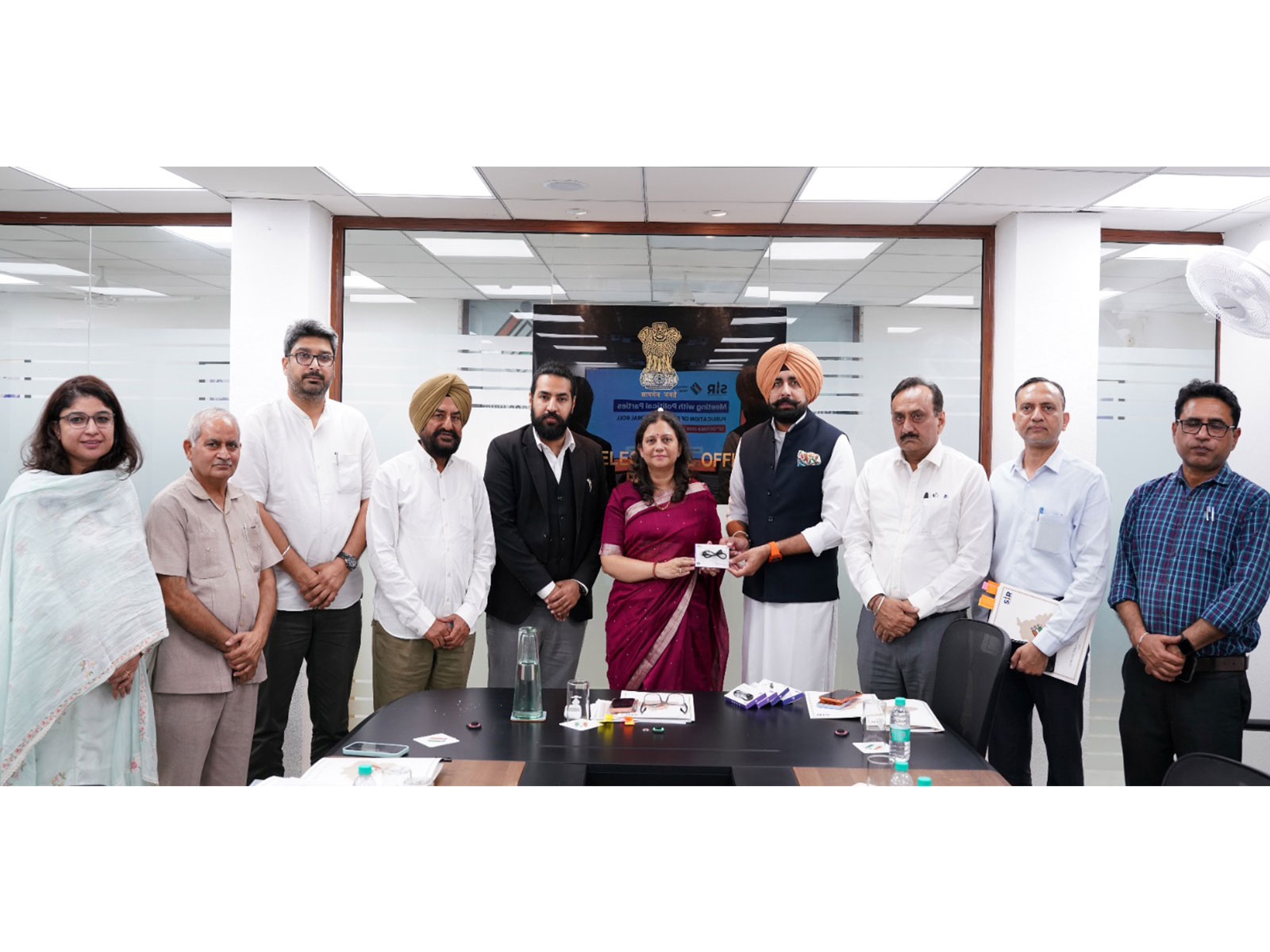
Punjab Chief Electoral Officer Anindita Mitra stated that physical and soft copies of the final electoral rolls have been handed over to representatives of recognised political parties. Electors can access and download the rolls from the CEO Punjab portal (www.ceopunjab.gov.in), the citizen service portal (www.voters.eci.gov.in), or review them at the offices of District Election Officers (DEOs), Electoral Registration Officers (EROs), and Booth Level Officers (BLOs).
Mitra thanked the electors of Punjab, BLOs, and political parties—specifically commending the 89,395 Booth Level Agents (BLAs) statewide—for their active cooperation throughout the exercise.
The Special Intensive Revision in Punjab was conducted under Phase-III as per directions from the Election Commission of India (ECI), commencing on June 25, 2026. Following house-to-house enumeration, the Draft Electoral Roll was published on August 13 with 1,93,94,435 electors.
During the subsequent claims and objections phase, 19 Roll Observers, DEOs, and the CEO conducted extensive field inspections and super-checking. Notices were issued to 35,49,036 electors with unmapped records or discrepancies.
Following due hearings and verification at the village level, 86,038 electors were marked ineligible through speaking orders.
To enhance voter accessibility, polling station rationalisation was also conducted across all districts, increasing the number of polling stations from 24,453 to 25,332.
The CEO also highlighted extensive Systematic Voters' Education and Electoral Participation (SVEEP) initiatives, which included human chains, multi-channel media outreach, college and school registration camps, and regular special booth-level camps to engage young and first-time voters.
Reiterating the commitment to complete transparency, the CEO urged any eligible citizens whose names might still be missing from the final roll to submit Form 6 for enrolment, either through the ECINET mobile app or offline via their local BLO.