"Road to home began": UNGA President Khalilur Rahman visits Rohingya camps after historic ICJ genocide ruling
Nov 21, 2026
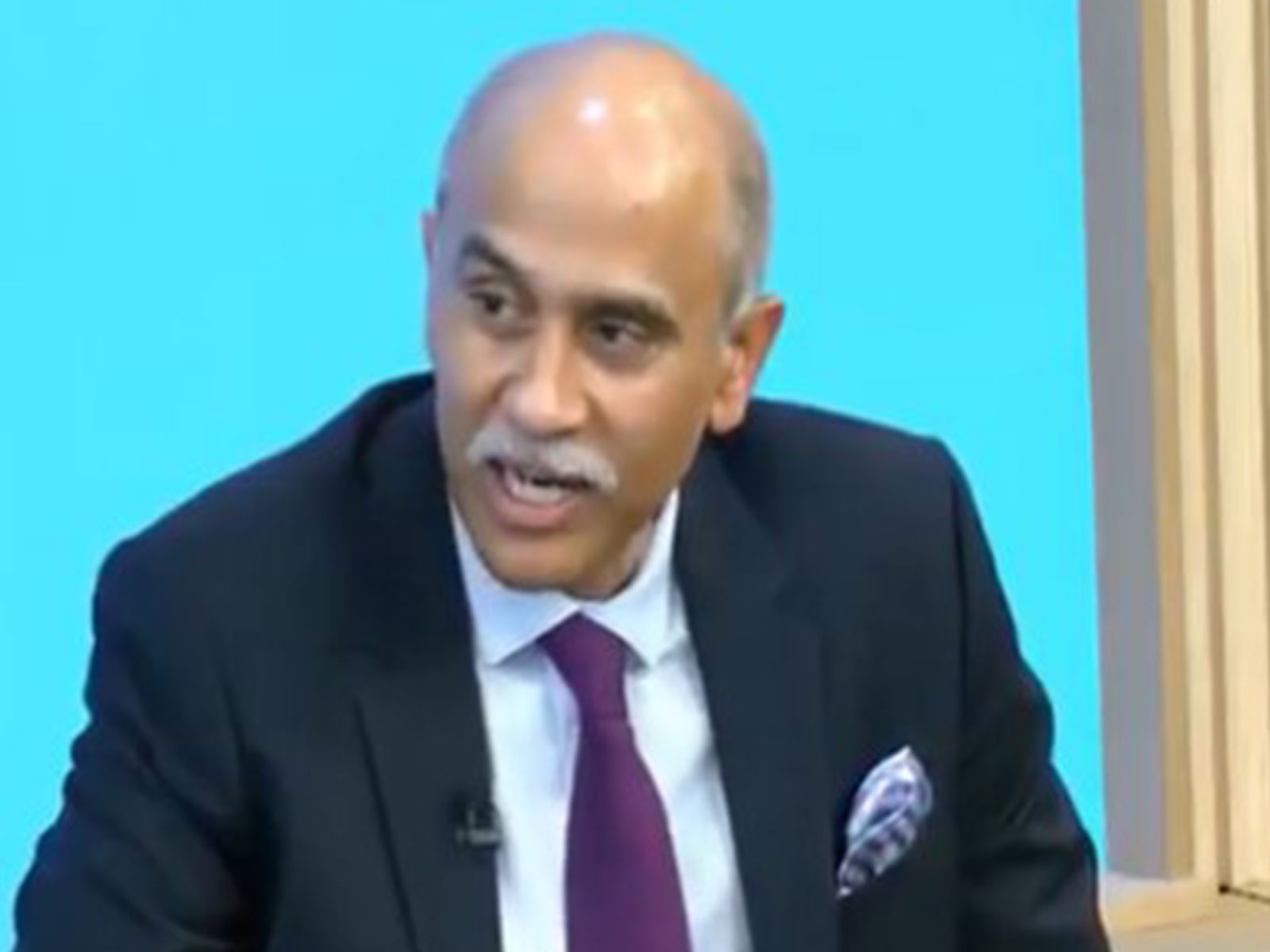
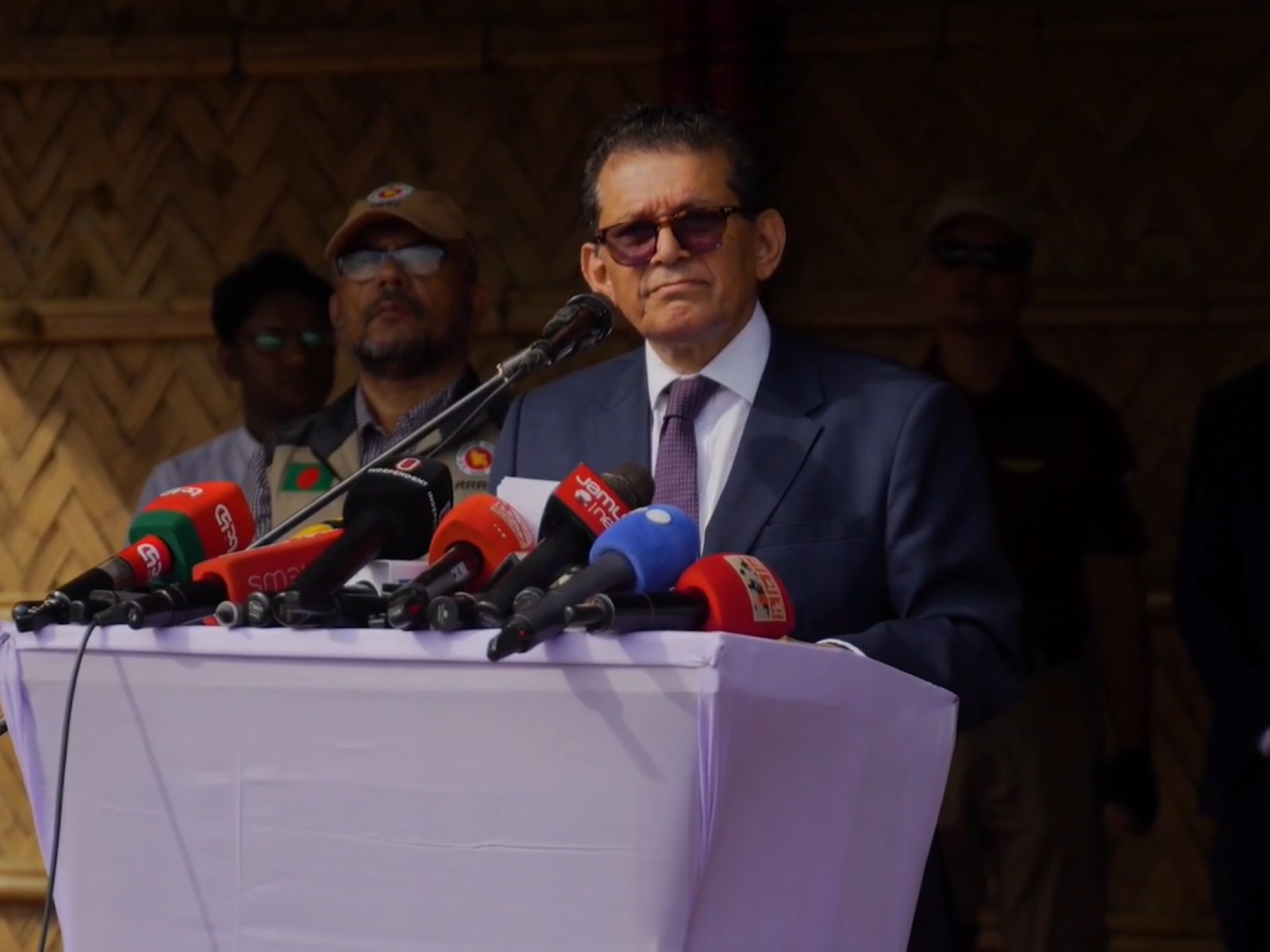
Cox's Bazar [Bangladesh], November 21 : One day after the International Court of Justice (ICJ) ruled for the first time in its history that a state committed genocide, United Nations General Assembly President Khalilur Rahman travelled to the Rohingya refugee settlements in Bangladesh on Friday, declaring that "the road to home began" for the displaced minority and demanding that Myanmar comply with the binding verdict.
The ICJ found that Myanmar committed genocide against the Rohingya group in northern Rakhine State during the military's 2017 "clearance operations", holding the country responsible for violating its obligations under the UN Genocide Convention.
Speaking directly to refugees in Ukhiya, Rahman, who previously served as Bangladesh’s High Representative on the Rohingya issue, said he chose to stand inside the camps rather than address the crisis from UN headquarters.
"I did not want to speak to you about you from New York. I wanted to come here, in the camp, and stand with you at this historic moment," he said.
In its landmark Thursday judgment in the case brought by The Gambia, the UN’s top court found that Myanmar’s security forces caused “injuries resulting from shooting, knife wounds and burning. Widespread acts of rape, including gang and mass rape, and other forms of sexual violence, often accompanied by beatings or mutilation, also resulted in serious physical harm.”
"Yesterday, in The Hague, the highest court of the United Nations spoke. It spoke in your name: Rohingya," Rahman told the gathering. "Your identity matters, and the court recognised the Rohingya as a distinct ethnic group whose ties to Myanmar go back generations. The court's judgment is unequivocal. And while no judgment can bring back the dead or heal every wound, truth is where justice begins."
Warning Naypyidaw that the ruling leaves no room for evasion, Rahman stressed that the verdict is final and cannot be appealed.
"Throughout the proceedings of the case, Myanmar had every opportunity to make its case and present its evidence. The court heard its evidence and arguments. This judgment is binding and non-appealable. You cannot appeal. This is final. Compliance is not optional. It must be implemented."
Outlining four immediate priorities to translate the ruling into action, Rahman first pressed Myanmar to pursue prosecutions and legal reforms. "Myanmar must take immediate and effective steps to investigate those reasonably suspected of having committed acts prohibited under the Genocide Convention. Where warranted, it must also prosecute and punish them," he said. "The court has further required Myanmar to address shortcomings in its national legislation and provide assurances and guarantees that such violations will not happen again."
Second, Rahman urged Naypyidaw to obey the court’s order on repatriation, property restoration, and citizenship protections.
"No one should be sent back to danger. A safe, dignified, and lasting return requires real protection: freedom, and freedom from discrimination, freedom of movement, and a voice for Rohingya in the decisions affecting their future," he said. "The court specifically recognised that protection against discrimination and persecution includes protection concerning access to citizenship."
Turning to reparations, Rahman noted that Myanmar has been ordered to report within two years on restitution and compensation for material harm suffered by individuals and the community.
"Money cannot replace life. Money cannot replace the loved ones that you have lost. But real reparations can help survivors to regain a sense of security, hope, dignity, and citizenship. The wishes of the Rohingya, especially women and young people, should stay central to the fulfilment of these obligations."
Fourth, he called for structural safeguards, including legal and institutional reforms, security force training, and effective civilian control, so "Rohingya can live without fear in Myanmar, and that the sufferings of the past will not be repeated again."
He also warned that under Article 94 of the UN Charter, failure to comply opens the door to recourse in the UN Security Council, while urging international partners to keep funding food, education, healthcare, and shelter in the camps until safe return is possible.
Paying tribute to the survivors and women who testified before the court, as well as to The Gambia, the Organisation of Islamic Cooperation, the 11 intervening nations, and Bangladeshi host communities in Ukhiya and Teknaf, Rahman hailed the verdict as a historic milestone for international law.
"In 1946, the United Nations General Assembly declared that genocide shocks the conscience of mankind. In 1948, it adopted the Genocide Convention. And yesterday, that convention worked. It worked in your favor, for the first time in history. And it worked for Rohingya, the people with no army, no power," he said, pledging to carry the voices of Rohingya youth, women, and survivors to all 193 UN member states. "Let history record that yesterday—that is 19 November—was the day the road to home began for the Rohingya."
Notably, the Court found that Myanmar had not directly and publicly incited private individuals to commit genocide against the Rohingya.
The ICJ further held that Myanmar violated its obligation under the Court's January 23, 2020, order to prevent the destruction and ensure the preservation of evidence related to allegations of genocide.
As a consequence, the Court ordered Myanmar to cease any ongoing violations, take immediate and effective steps to investigate persons reasonably suspected of committing acts contrary to the Convention and prosecute and punish them, if warranted.
It further ordered Myanmar to compensate the Rohingya group and its members for the damage caused.