Satellite connectivity can ensure communication during disasters, speed up emergency response: BSNL CMD
Oct 27, 2026
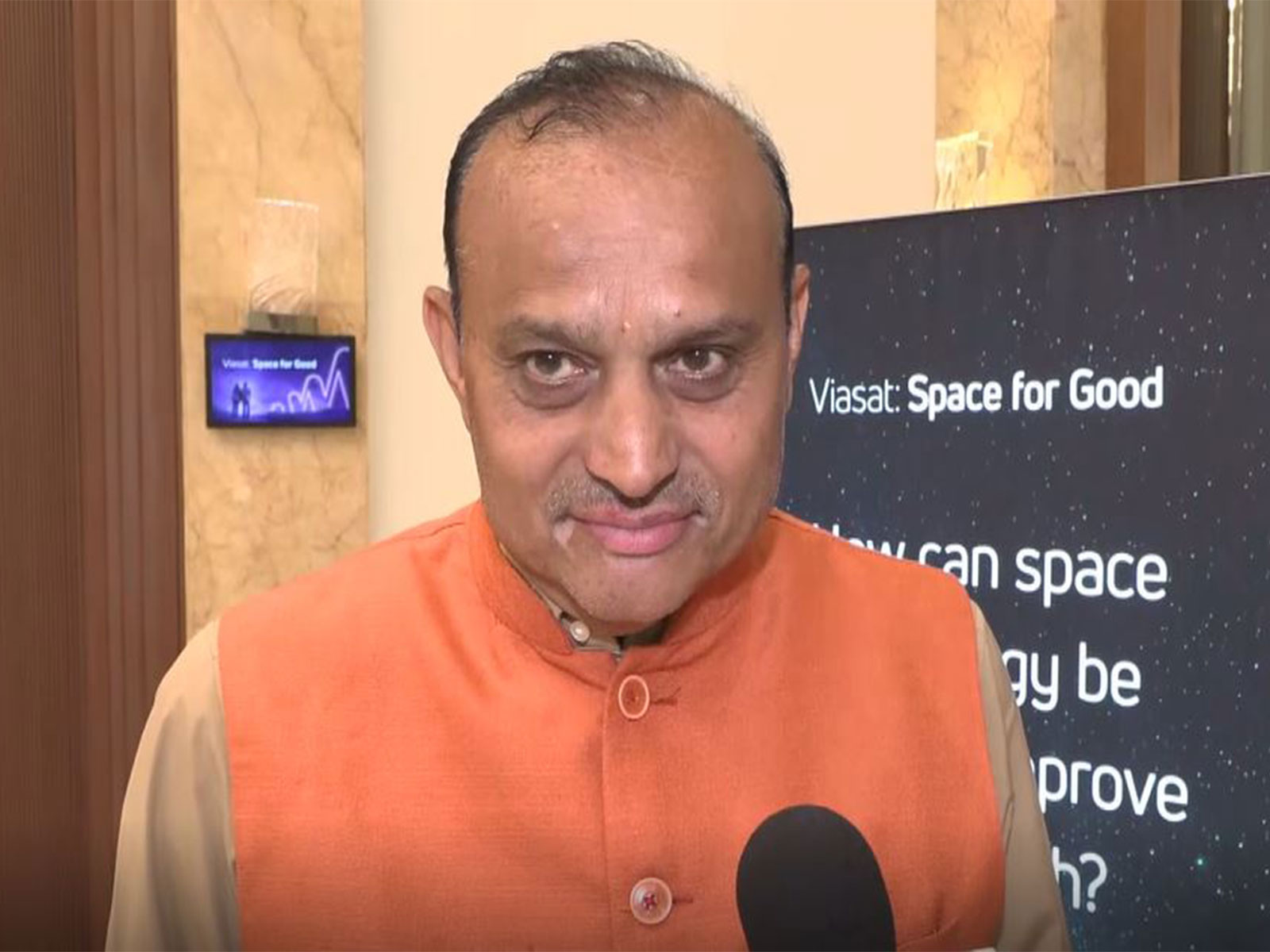
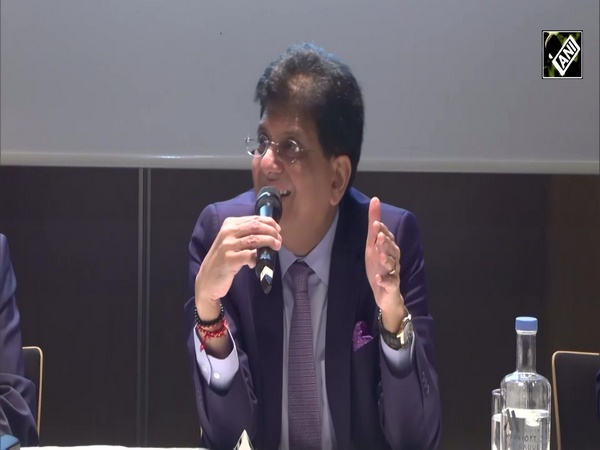
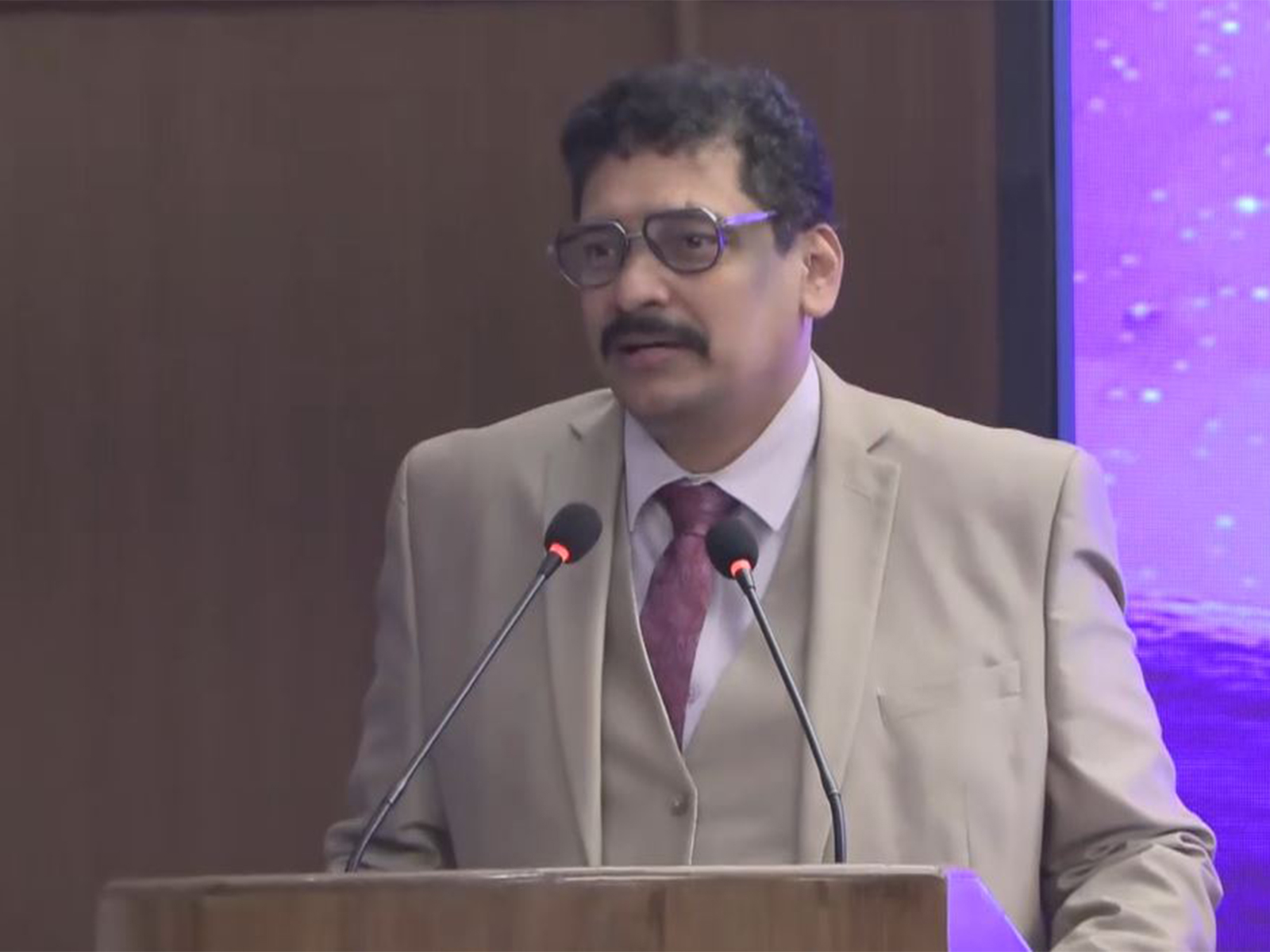
New Delhi [India], October 27 : Satellite communication could help maintain connectivity during natural disasters, enable faster emergency responses and improve access to essential services in remote areas by 2035, BSNL Chairman and Managing Director Robert J Ravi said at a Viasat event on satellite communication and disaster management.
Highlighting the importance of communication during emergencies, Ravi described a scenario in which a cloudburst at night causes rising water levels, damaged roads and submerged villages, leaving people stranded. He said satellite-based connectivity could ensure that communication networks remain operational even when conventional infrastructure fails.
“Similarly, in terms of this catastrophe, there is a golden period where the responders have to reach,” Ravi said, drawing a parallel with the golden hour in medical emergencies.
Ravi highlighted BSNL’s existing satellite-based services, including messaging, direct-to-device (D2D) connectivity and satellite phones used by emergency responders, defence personnel, the Navy and district administrations. He also said some of the operator’s 4G sites in remote areas are connected through satellite terminals.
Looking ahead to 2035, Ravi said the integration of satellite communication with terrestrial networks could enable seamless connectivity across mountains, seas and other remote locations. He said the transition towards 6G and non-terrestrial networks could reduce instances where users encounter a “no network” situation.
He also outlined potential applications in fishing and agriculture. Satellite-enabled devices could help fishermen identify maritime boundaries, locate fishing areas and receive alerts about approaching cyclones. In agriculture, solar-powered sensors connected through satellites could provide information on rainfall and help farmers make decisions on pesticide use.
Ravi said satellite connectivity could also support remote healthcare by enabling live video consultations between primary health centres and district hospitals, with drones potentially delivering medicines and other supplies to locations lacking roads or electricity.
Other applications could include using smartphone sensors and satellite observations to improve the monitoring of weather patterns, earthquakes and landslides. He also highlighted the possibility of space-based data centres, which could leverage solar power and the cold environment of space, as well as quantum-secured communication systems to protect digital transactions and government records.
Ravi called for space-based resources and data to be treated as a public good, while ensuring data protection and wider access. He said satellite connectivity could help emergency responders reach people faster during disasters, even when roads and power supply are disrupted.
He urged students and researchers to contribute to innovations that use space technology to improve citizens’ lives.