SC to examine constitutional validity of marital rape exception under IPC, BNS
Sep 09, 2026
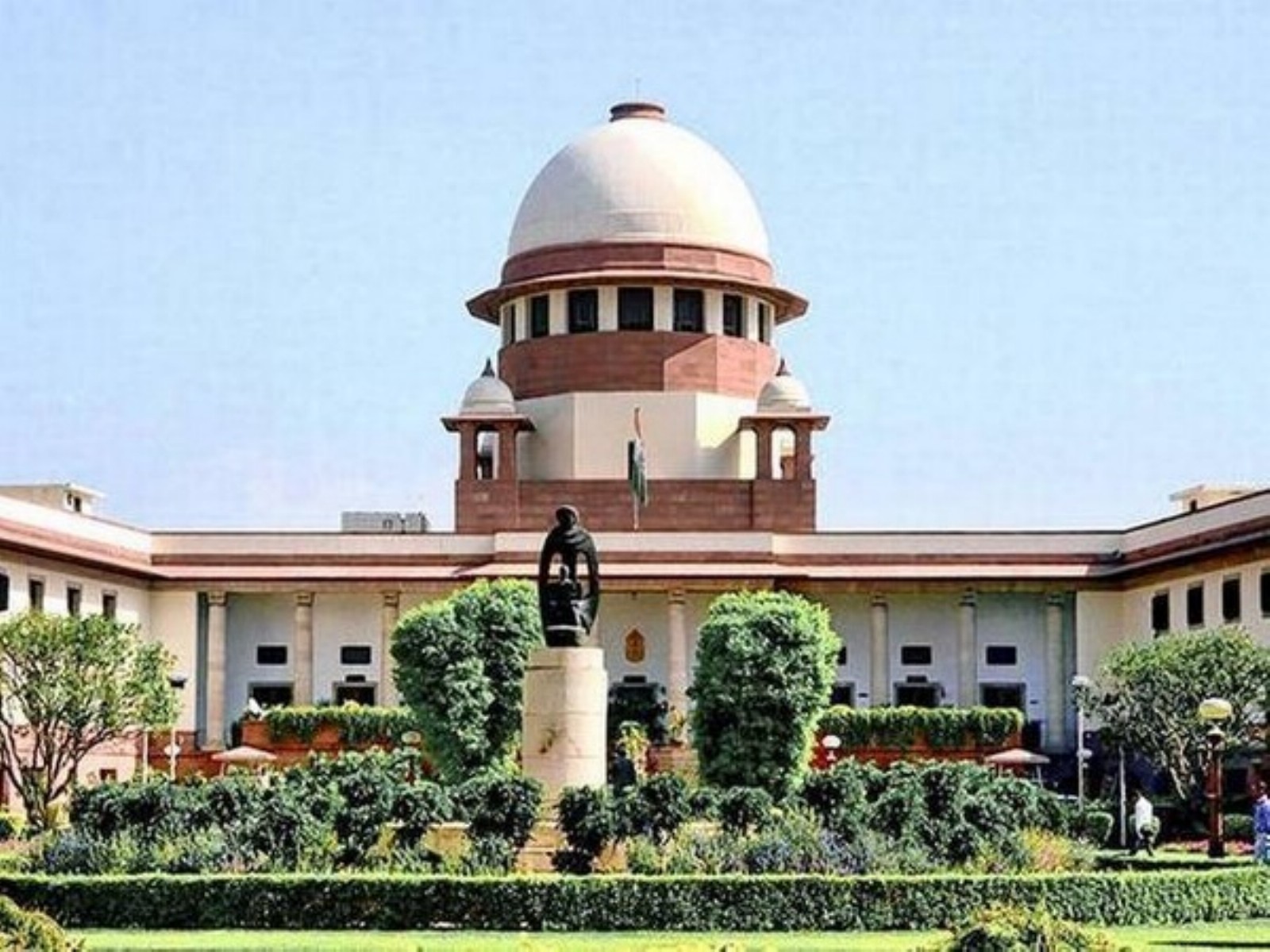
New Delhi [India], September 9 : The Supreme Court on Wednesday agreed to examine the constitutional validity of the marital rape exception under Section 375 of the Indian Penal Code (IPC), which provides that sexual intercourse or sexual acts by a man with his own wife do not constitute rape.
The Court will also hear an appeal against a March 2022 judgment of the Karnataka High Court which refused to quash rape charges against a husband accused of sexually assaulting his wife.
The development came while the Court was hearing a batch of petitions, including PILs filed by separate petitioners, challenging the constitutional validity of Exception 2 to Section 375 IPC. The petitions also concern the corresponding exception under Section 63 of the Bharatiya Nyaya Sanhita (BNS) and seek its reading down to the extent it excludes non-consensual sexual acts within marriage from the offence of rape.
The Karnataka High Court had, in March 2022, refused to quash rape charges against a husband accused of brutally sexually assaulting his wife.
During the hearing today, the Supreme Court indicated that the challenge raises an important question of constitutional law — whether a penal provision can be interpreted or read down in a manner that permits prosecution for rape within marriage when the existing provision expressly excludes such conduct.
The Bench also questioned whether, pending a decision on the constitutional validity of the exception, a person could be prosecuted for an offence which is expressly excluded by Section 375 IPC.
“We would definitely protect the victims but is it within the domain to prosecute a person where there is direct exclusion of a person under 375,” the Court observed.
Senior Advocate Indira Jaising, appearing in the appeal arising from the Karnataka High Court judgment, submitted that the High Court had already taken the view that where a wife was treated as a “sexual slave”, prosecution could follow. She also pointed out that the age of consent had subsequently been raised from 16 to 18 years. She sought the listing of the appeal against the said Karnataka HC order as she represents the respondent wife in whose favour the HC has ruled.
The lawyers also drew the Court’s attention to the corresponding provision under the BNS and raised questions on the scope of the exception under the new criminal law. The Bench was also apprised of the gender-specific nature of certain provisions dealing with sexual offences.
Senior Advocate Karuna Nundy submitted that the constitutional challenge would require the Court to consider whether the exception could be read down or otherwise interpreted in conformity with constitutional guarantees.
The Court also stressed that the issue before it was not simply one of social morality but whether the statutory provision could withstand constitutional scrutiny.
“What is social morality? When people speak through their representatives - what we do is test it with the Constitution. It’s for the people to decide. Court says it can only speak its constitutional language,” the Court observed.
The Court also indicated that it did not want to prejudge the question of individual prosecutions while deciding the constitutional validity of the provision.
“We don’t want to pronounce on that. We will take up constitutionality. We will examine the question,” the Court said.
The lawyers also raised the position under the BNS in relation to gang rape, including the exception available to a husband, and discussed the implications of retaining the marital exception under the new criminal law.
The petitions before the Court principally revolve around the constitutional validity and reading down of Exception 2 to Section 375 IPC as well as the corresponding exception under Section 63 of the BNS.
Solicitor General of India (SGI) Tushar Mehta, representing the Union government, submitted that the Union government’s counter-affidavit had already been filed and could be treated as its reply. The Court directed that the counter-affidavit be supplied to all counsel within two days.
The matter will be taken up for detailed arguments on a date to be fixed.